
 []
[]
Share







Copied
Editor's note: Andrew Korybko is a Moscow-based American political analyst. The article reflects the author's opinion, and not necessarily the views of CGTN.
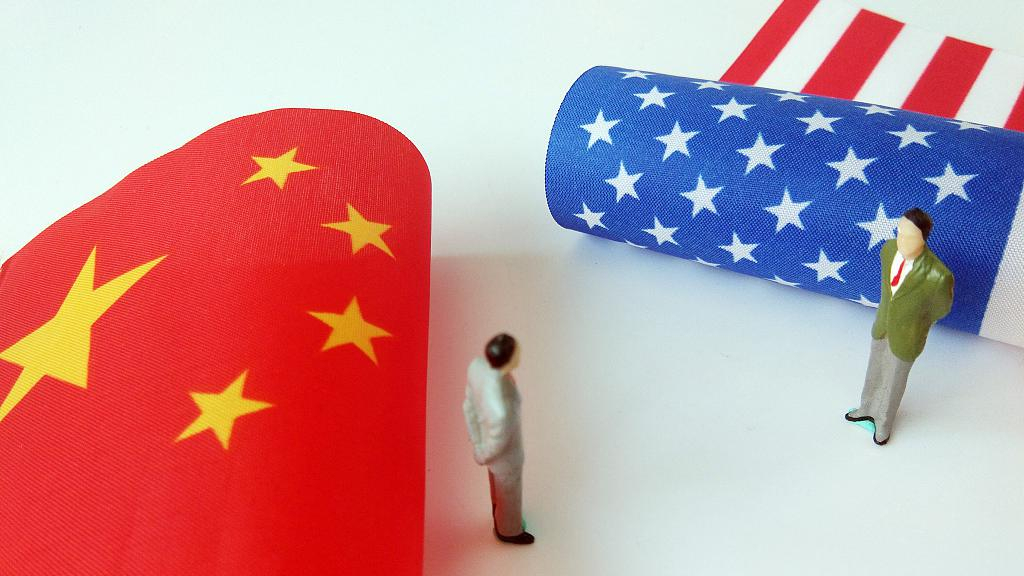
China sent a very strong signal of its possible intent to respond to the U.S.'s trade war provocations by curtailing rare earth exports to certain categories of foreign industries.
The National Development and Reform Commission (NDRC) said that "China firmly opposes any attempt to use products made with rare earth from China to suppress China's development," which is the clearest indication yet that the export of these ultra-strategic resources to American defense companies might be severely limited or outright discontinued for national security reasons.
The U.S., like most of the world, depends on China's rare earth minerals, which are vital components of today's technologically-driven society. The metals are used in everything from everyday electronics to even cruise missiles.
Up until this point, China followed free market principles when it came to exporting these products. But the U.S. has since betrayed the free trade principles it pioneered across the world in the post-war period when it began cracking down on Huawei and imposing tariffs on Chinese imports.
Furthermore, some of China's rare earth exports have found their way into American weapons systems that have been deployed to the South China Sea and elsewhere in an effort to "contain" China, hence the specific wording of the NDRC's statement.
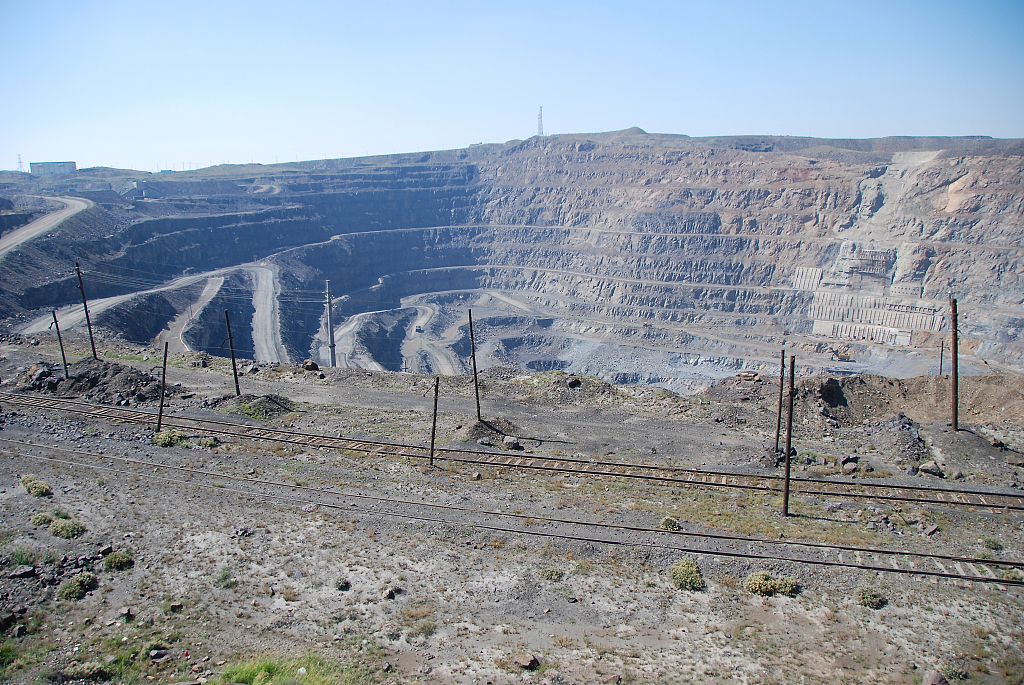
A rare earth mine in Baiyun'ebo, a mining town in the Inner Mongolia Autonomous Region, China. /VCG Photo
It's unclear when the country will change its rare earth mineral export policy or whether this will even happen at all, but the fact that such a strongly-worded statement was just released to the media proves that this idea is, at the very least, being seriously considered at the highest levels.
President Trump insisted that Chinese President Xi Jinping hold a meeting with him to discuss the latest trade war escalations during the upcoming G20 Summit in Japan, threatening to immediately impose another 300 billion U.S. dollars in tariffs if that doesn't happen.
It might be the case that China is preparing a rare earth mineral response in the event that the talks don't take place or fail to result in a deal to end the trade war, which would explain why the NDRC telegraphed its possible intent through their latest statement.
It should be noted that China isn't "weaponizing" its global production of these ultra-strategic resources because it would only be restricting their export to American defense companies that incorporate these minerals into weapons systems that are ultimately put to use attempting to "contain" China.
Civilian companies more than likely wouldn't be affected in any case, which is important to point out ahead of time so that they aren't manipulated into panicking and leaving China like some American commentators have tried to encourage them to do.
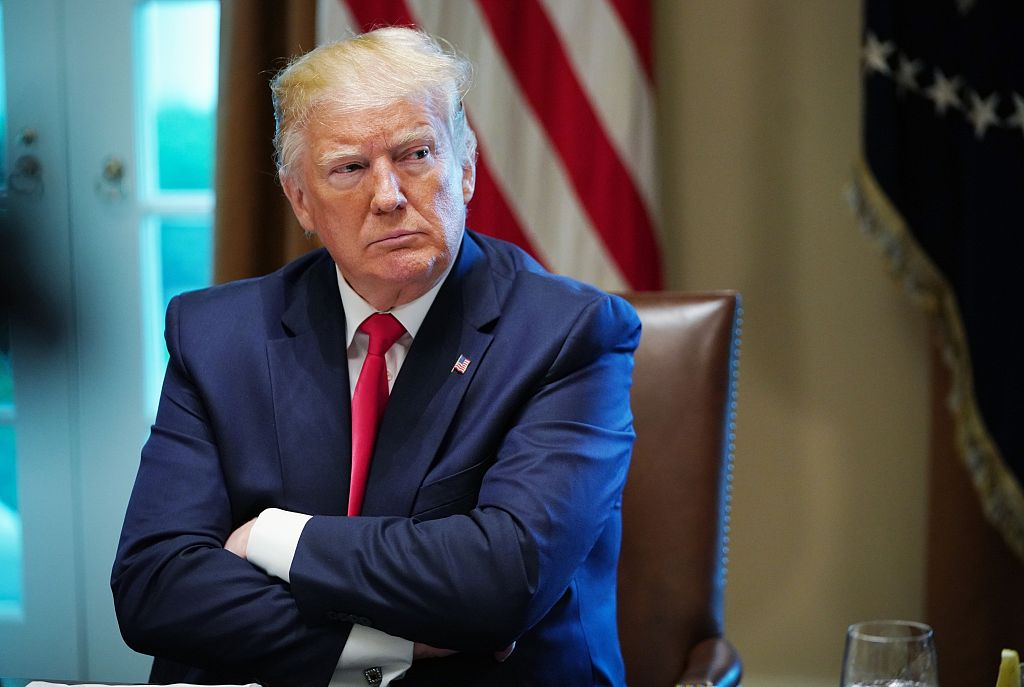
U.S. President Donald Trump attends a working lunch with governors on workforce freedom and mobility in the Cabinet Room of the White House in Washington, DC, June 13, 2019. /VCG Photo
China is well aware of the enormous responsibility that it has to the global economy by virtue of its rare earth production capabilities alone, to say nothing of its other economic attributes, and the last thing that the country wants to do is sabotage the system of globalization in which it has such a large stake.
It's the U.S. that's doing this for self-interested zero-sum reasons. China is staunchly defending globalization because of the win-win paradigm that guides all of its decisions, which is why it wouldn't even countenance punishing civilian companies in response to the U.S. government's provocations.
Should this policy be implemented in one form or another, it's predictable that the U.S. will seek to reroute its relevant supply chains away from China out of strategic necessity, although it's uncertain at this point in time how long that would take and whether or not the U.S. has enough rare earth minerals stockpiled to last it during this possibly prolonged transitional phase.
In any case, this is a scenario that the U.S. would be wise to avoid at all costs, which is why the latest signal coming out of China should get it to reconsider the wisdom of escalating the trade war in the event that President Xi and his American counterpart Trump don't meet at the G20 and/or don't reach a deal.
(If you want to contribute and have specific expertise, please contact us at opinions@cgtn.com.)