
 []
[]
Share







Copied
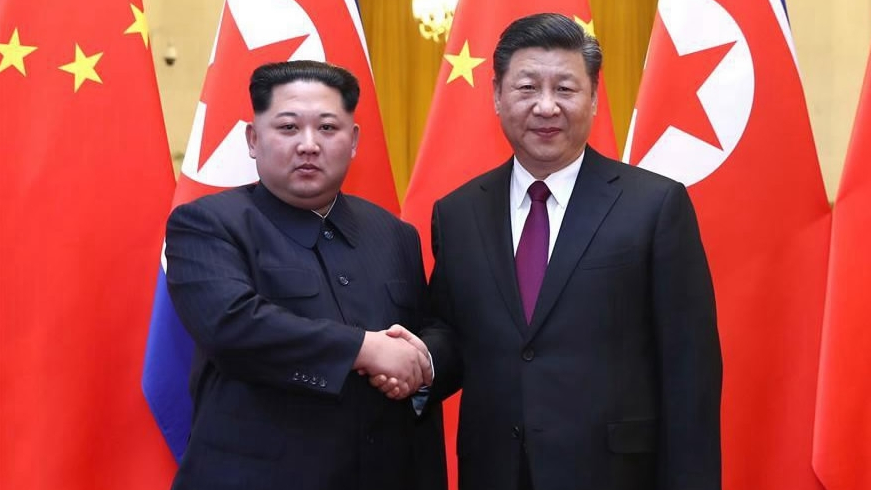
Chinese President Xi Jinping's two-day state visit to the Democratic People's Republic of Korea (DPRK) offers an opportunity for the two nations to continue dialogue on what the world hopes will be a new era of economic development on the Korean Peninsula in the years ahead.
The meeting between President Xi and Kim Jong Un, chairman of the Workers' Party of Korea and chairman of the State Affairs Commission of the DPRK, will be their fifth in a relatively short period of time, but their first in Pyongyang.
The previous summits have generally been linked to the now stalled denuclearization talks between the DPRK and the United States, but they will inevitably move on to how China can help the DPRK economy emerge from a very difficult period.
In an article published in DPRK state newspaper Rodong Sinmun ahead of his visit to Pyongyang, Xi promised that China will unswervingly support Kim in leading his country in its new strategy focusing on developing the economy and improving people's livelihood for new and greater achievements in the socialist construction of the country.
The DPRK leader has been moving to give priority to economic development even as he has sought to negotiate a nuclear deal with the U.S. and bring an end to United Nations sanctions. If an agreement can be achieved, and it still remains a big if, the impact would likely be transformational for the DPRK.
China-DPRK trade drops
That may be overstretching things somewhat, in true Trump style, but there is no doubt that the economic sanctions linked to the nuclear issue have strangled the DPRK economy as fuel imports are limited and most major exports banned.
Its trade with China was hit badly in 2018. China’s imports from its neighbor declined 88 percent in 2018 year on year to 1.42 billion yuan (210 million U.S dollars), while its exports slumped 33.3 per cent to 14.7 billion yuan (2.18 billion dollars), Chinese customs administration spokesman Li Kuiwen was quoted as saying in January.
It is against this background that the summit between Xi and Kim is taking place.
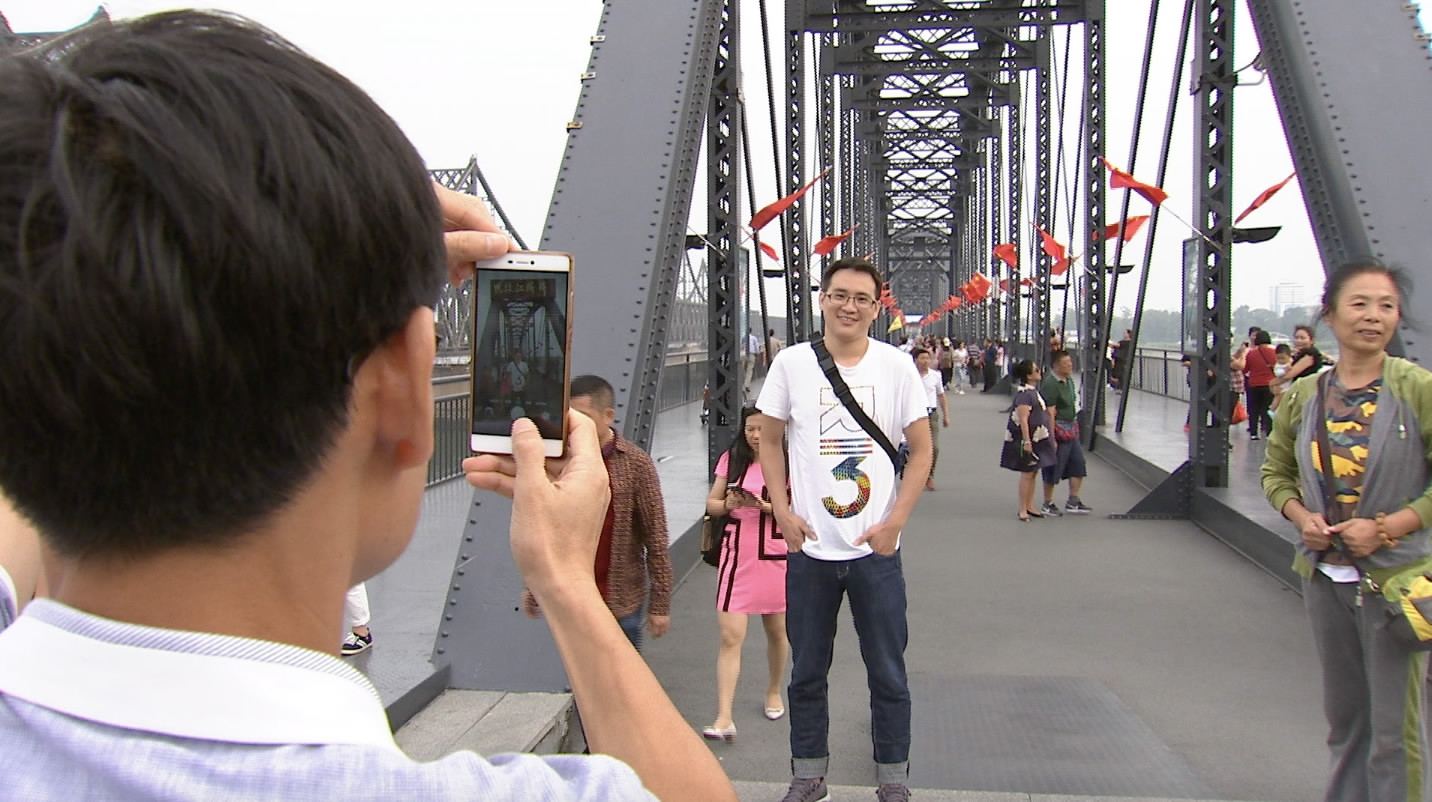
The Yalu River Broken Bridge, a railway bridge on the China-DPRK border that is a magnet for tourists. /VCG picture
Xi's article in Rodong Sinmun suggests that he sees the need to lay the ground for what could be a new era on the Korean Peninsula, whenever that begins, and consequently a new era in China-DPRK relations.
Ties between the two nations have gone through 70 glorious years, the Chinese president said, and stand at a new historical starting point with new vitality.
Xi said he was willing to work with Kim in opening a new chapter for their traditional friendship.
The president has talked about preparing master plans on developing bilateral ties, while in the meantime strengthening strategic communication as well as the promotion of exchanges and mutual learning.
Rise in cross-border tourism
"Both sides should enhance communication and coordination at all levels, and deepen inter-party communication and exchanges on governing experience," Xi added.
One area where the UN sanctions do not apply is in people-to-people exchanges and this is where the China-DPRK connection has flourished in recent times.
For example, tourism is doing as well as could be expected. No official figures are available from authorities on either side, but the AFP news agency quoted Simon Cockerell, general manager of Koryo Tours, the market leader for Western visitors, as saying there had been "a huge increase in Chinese tourists."
This is a welcome fillip for the DPRK, which has had to deal with a reduction in foreign exchange as a result of the sanctions.
"The DPRK desperately needs assistance from its most reliable neighbor to boost economic cooperation without violating (UN) Security Council resolutions," Zheng Jiyong, director of the center for Korean studies at Fudan University in Shanghai, told China's Global Times this week.
Under the people-to-people umbrella, China could also help by sending additional experts to support the DPRK's technical capacity building, according to Leif-Eric Easley, who studies northeast Asian security ties at Ewha Woman's University in the Republic of Korea capital of Seoul. This would certainly be one way of helping the nation prepare for a sanction-less future.
So, the first visit to the DPRK by a Chinese president in 14 years is full of anticipation and possibilities, but it feels that this is really the time to prepare the groundwork for what could be a new era ahead.