
 []
[]
Share







Copied
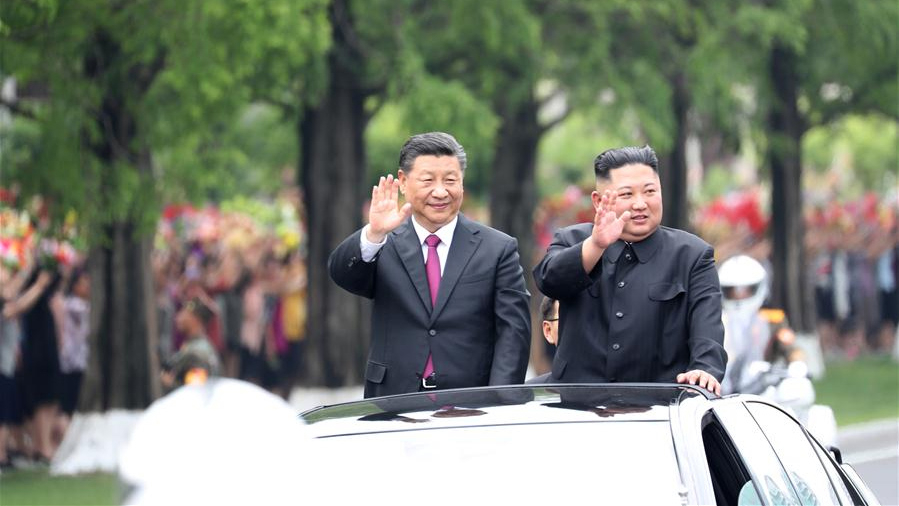
This year marks the 70th anniversary of the establishment of diplomatic ties between China and the Democratic People’s Republic of Korea (DPRK), and Chinese President Xi Jinping's visit to the DPRK this week is the first by a Chinese president in 14 years.
Xi's visit comes after DPRK leader Kim Jong Un visited China four times since last year. Beijing is saying the visit is a chance to build on past achievements. In regard to denuclearization, President Xi said China recognizes Pyongyang's concerns around security and development, and is willing to help the DPRK government address them.
How will the visit impact the next step? What is driving the future of the nuclear issue on the Korean Peninsula? Is it the relationship between China and the DPRK, or the interaction between the U.S. and the DPRK, or the overall exchanges between the many regional players?
"The DPRK's denuclearization issue is so complex. It's not just a bilateral issue between Washington and Pyongyang, but involves other parties in the region," said Soo Kim, a former CIA DPRK analyst and currently a policy analyst at the RAND corporation.
According to the analyst, it remains to be seen what will happen following the summit between Xi and Kim. "Let's see when Xi meets with Trump during the G20 summit. It remains to be seen what the role of South Korea is. The role of mediator seems to be supplanted by China," she said.
President Xi is talking about jump-starting a new page of China-DPRK friendship. Meanwhile, Chairman Kim is talking about showcasing the solid traditional friendship between the two countries, which nobody could break. It’s easy to see some different terminologies at play. What's behind the way of describing China-DPRK relationship? How are the sides looking at each other?
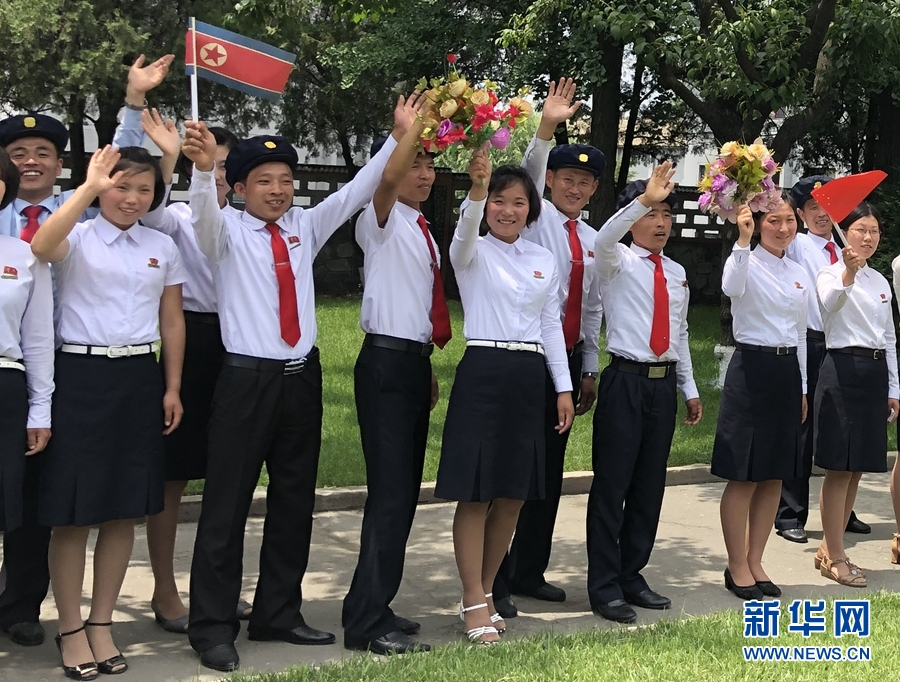
China-DPRK relations have turned a new page following a series of top-level diplomatic events. /Xinhua Photo
"They have a common vision for the future," said Zhao Tong, a fellow at the Carnegie-Tsinghua Center for Global Policy.
Last year, Kim made an important decision to shift towards economic development and develop the DPRK into a more modern and developed country. In that regard, China has the best relationship with the DPRK. Pyongyang trusts China more than any other country and the two countries share similar political systems and understandings about international relations.
Therefore, the Chinese experience in national building and social development holds the best lessons for the DPRK.
"In that sense, China can work with the DPRK to help the DPRK transform into a modern country. That's beneficial to everyone," Zhao said. He also mentioned that this has broader implications on regional security going forward.
President Xi has also emphasized the importance of exchanging opinions between the two sides, and establishing what he calls a good environment and deepening pragmatic cooperation. These words could be political jargon, but in this case, they seem to be a general direction that China is seeking a new stage in its bilateral ties with the DPRK.
"I think it's a mutually beneficial relationship. This visit is a renewal of that relationship. China also sees the DPRK as a valuable asset to its strategic interests. With the peace process on the Korean Peninsula in mind, this is an opportunity for both China and the DPRK to combine forces and reassert some of their strategic goals and interests in the face of the logjam in negotiations," said Kim.
(If you want to contribute and have specific expertise, please contact us at opinions@cgtn.com)