
 []
[]
Share







Copied
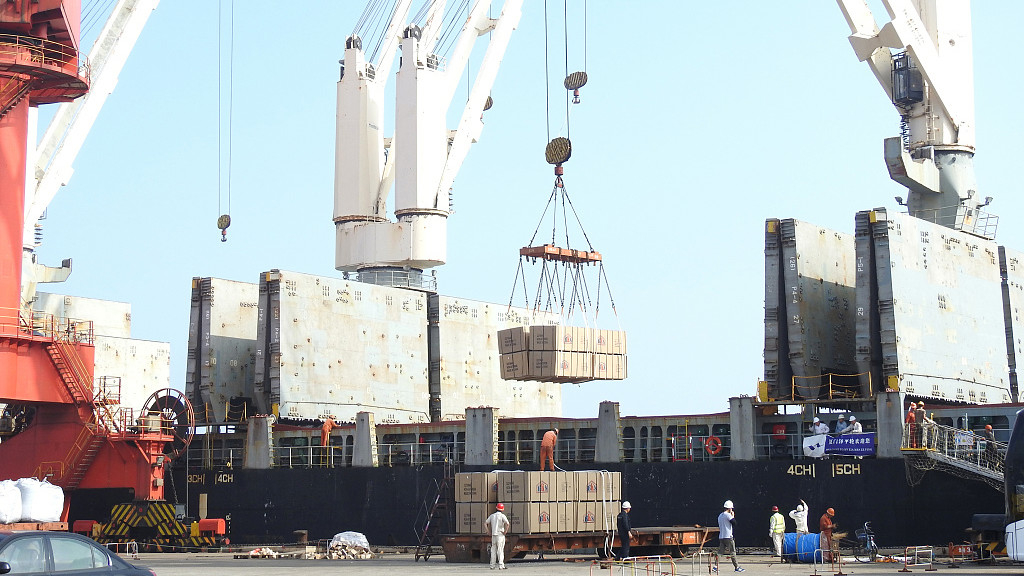
With the public hearing on the tariffs the U.S. government is proposing to impose on 300 billion U.S. dollars worth of Chinese goods wrapping up, U.S. manufacturers and companies are hoping their concerns about the rising costs will not fall on deaf ears. But it seems that whether the Trump administration will listen is another story. In the past, such hearings did not prevent Trump from raising tariffs on 250 billion U.S. dollars worth of Chinese goods.
It is clear now that American enterprises and consumers are the victims in the trade stand-off as they see no suitable sourcing alternatives and costs have been rising for their daily products. While Trump has insisted that it is China that is paying for these tariffs, White House economic adviser Larry Kudlow has already admitted that China is not directly paying for the tariffs and these costs could be transferred to U.S. consumers. In the meantime, research has shown that the current tariff war has cost U.S. companies and consumers 4.4 billion U.S. dollars per month in 2018.
Likewise, the prolonged trade spat between China and its largest trading partner is casting a shadow over the already slowing down Chinese economy. Many economists have established the conclusion that the trade war is simply a lose-lose game. But could there be another winner outside the war front?
Some might name Vietnam, which seems to be a perfect substitute for China to which companies can move their factories to avoid the imposed tariffs. According to Bloomberg, imports from Vietnam to the U.S. in the first quarter have increased 40 percent while Chinese imports to the U.S. have contracted.
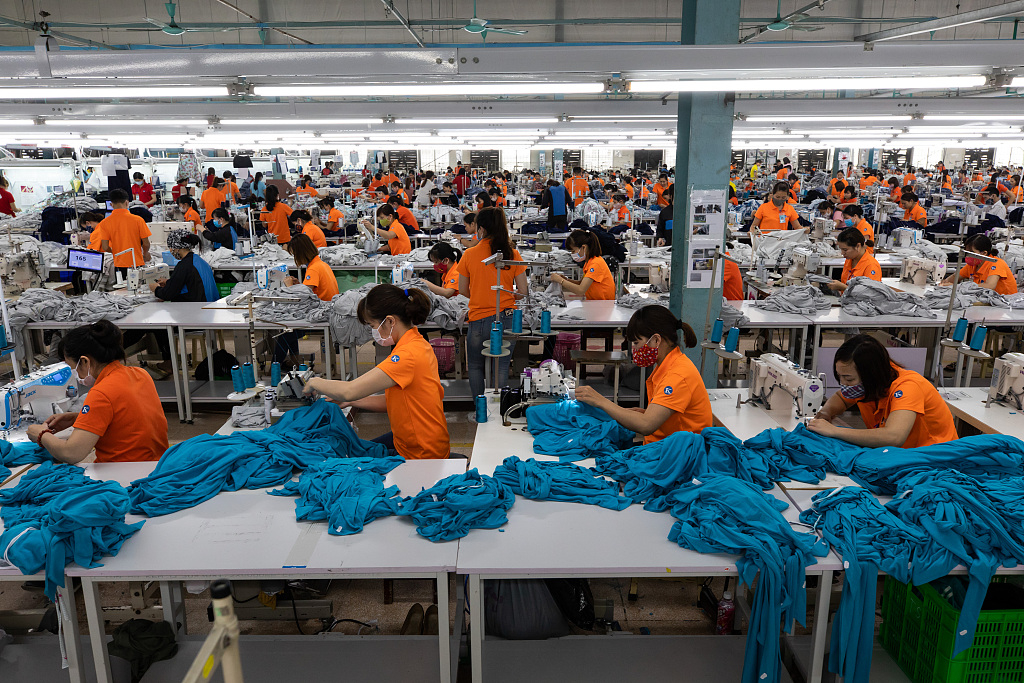
Employees use sewing machines at the Pan-Pacific Co. Viet Pacific Clothing (VPC) factory in Vo Cuong, Bac Ninh province, Vietnam, March 1, 2019. /VCG Photo
Apparently, this is just the effect that the Trump administration is hoping to achieve when he started this war. But it is important to point out that due to rising wages and stricter environmental protection in China in recent years, companies are already moving their supply chains to South Eastern countries like Vietnam and Thailand and some even claim that Vietnam is becoming the “New China.” Trump’s tariffs merely accelerated the process.
In fact, as China intends to upgrade its economic structure, the moving out of certain supply chains is inevitable and even some Chinese companies are investing in Vietnam as well. But if Vietnam can serve as the “New China” by providing cheap goods to the U.S., does that make China as the clear loser here?
Not likely. A country’s manufacturing industry does not only rely on cheap costs but also other supporting facilities such as a complete and comprehensive supply chain and reliable infrastructure. The production of commodities like cars and mobile phones requires thousands of supplies and supporting services that only China can provide. For U.S. companies, the cost of moving supply chains would be no less painful than the imposition of tariffs.
Another potential winner of the trade war could be Brazil due to Chinese tariffs targeting U.S.’ top export to China, soybeans. According to South China Morning Post, U.S. soybean supply to China has fallen 49 percent from a year earlier in 2018, while China has imported 30 percent more from Brazil.
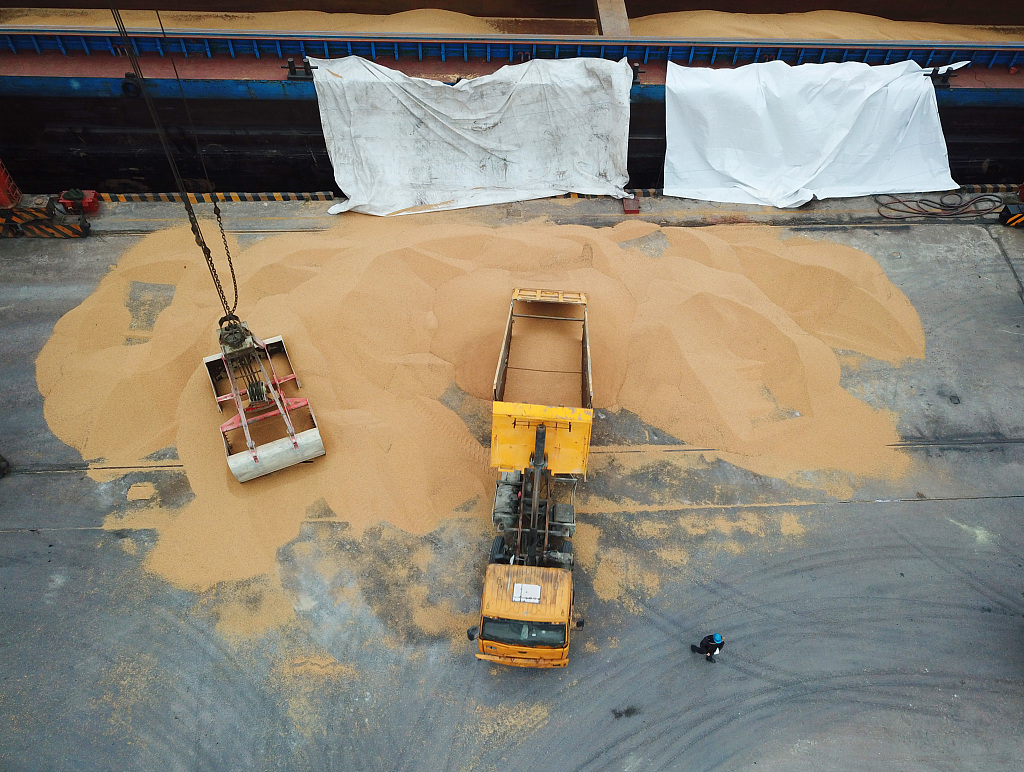
Soybeans from Brazil are being packed at Nantong Port, Jiangsu Province, China, April 4, 2018. /VCG Photo
But again, China has to bear the skyrocketing premiums and suffer from the effects of the trade diversion. China’s large demand for soybeans and America’s dominant position means it is only logical for the two sides to trade. And analysts have pointed out that in the current trade surging between China and Brazil is simply not sustainable in the long term: As the price of soybeans rises, the cost of meat products will also rise as soybeans are the main feed, thus lowering its competitiveness.
As for the soybean market, there might be a short-term winner; but the uncertain future of a rising soybean cost once again proves that in a highly integrated global economy, no one is left alone in this trade war.
What’s more toxic than tariffs, is perhaps Trump’s confusing foreign policy that uses them as leverage, which has drastically hurt the confidence of investors, who according to a Bank of America Merrill Lynch survey, “haven’t been this pessimistic since the global financial crisis of 2008.” Just when American companies are thinking about importing more from Mexico, Trump abruptly announced the decision to impose tariffs on Mexican products. Even though the two sides have reached an agreement to put a pause on the tariffs, this still shows that Trump may not understand how trade and investment are two sides of the same coin. And in the long run, there is simply no winner as the whole world is being dragged in an economic mire.
(If you want to contribute and have specific expertise, please contact us at opinions@cgtn.com)