
 []
[]
Share







Copied
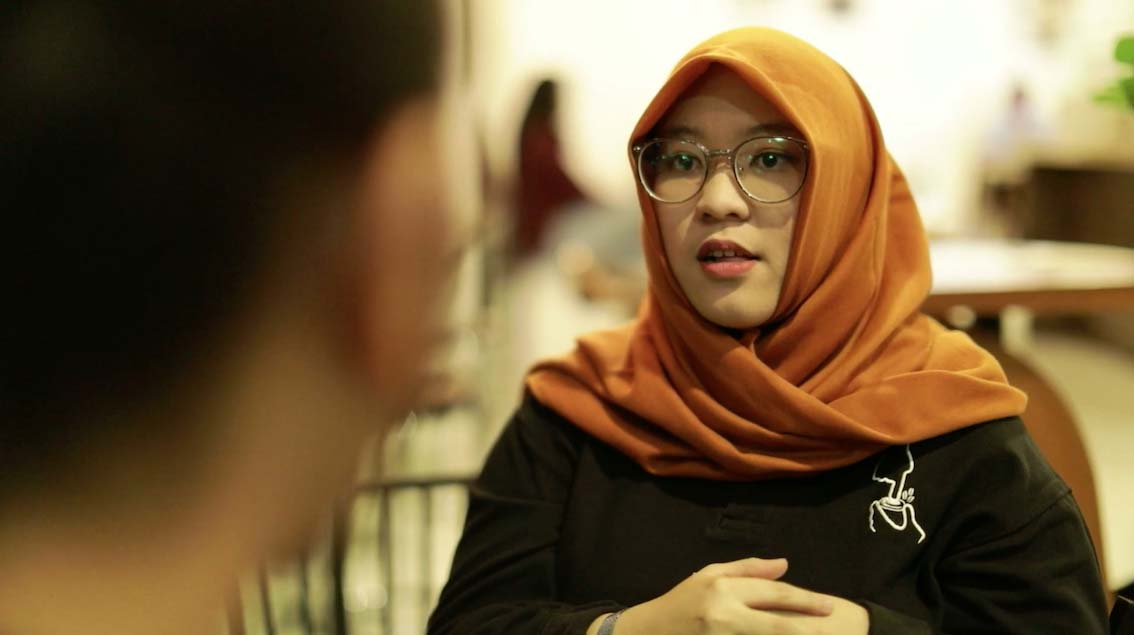
Kopi Tuli, which translates as Deaf Coffee, serves up more than just beverages. This new cafe serves as a platform to help Indonesia’s deaf community come together.
One of its co-founders, Putri Santoso, didn’t allow limitations to get in her way.
“When I was younger, I remember my friend Adhika telling me it was difficult for her to get a job. I then casually asked what he was interested in and he said coffee. That was it. Simple as that. That was the beginning of our business,” said Putri.
It didn’t start out easy. Putri and two of her partners who are also hearing impaired went through many challenges throughout their last year setting up their business, but none was enough to make the three friends quit.
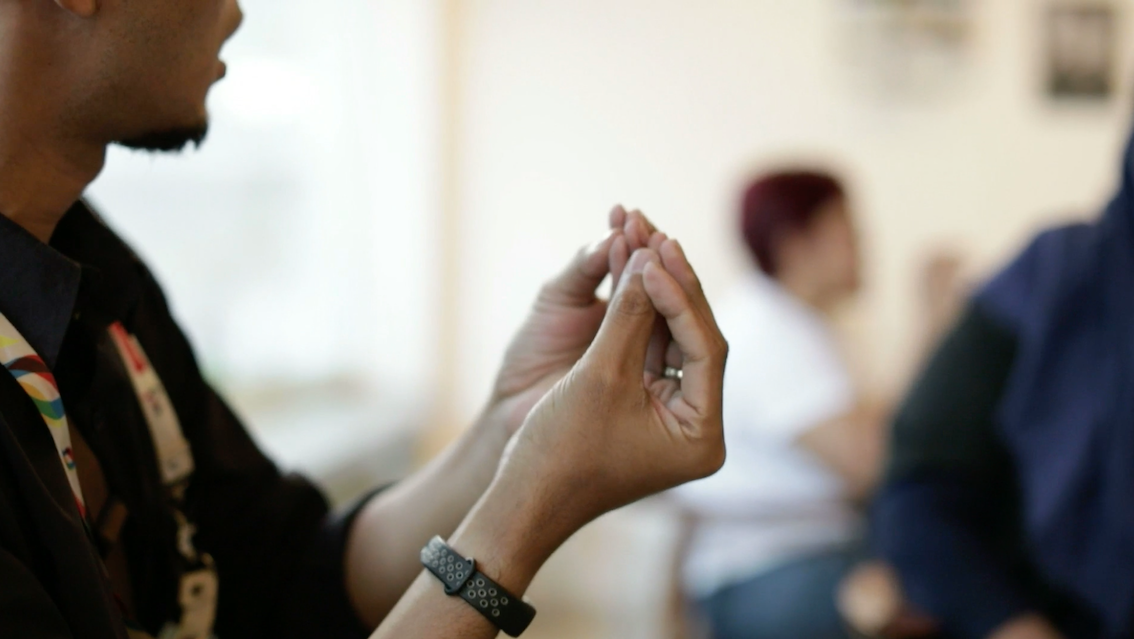
The cafe encourages customers to use sign language and learn alongside the deaf community. /CGTN Photo
Before starting this cafe, Putri and her friends say they spent years finding the perfect job. They sent out 300 to 500 job applications, but no company got back to them.
More than 11 million Indonesians who are disabled go through a similar ordeal. Many are unable to find jobs due to the stigma that is still attached to disabled people.
Kopi Tuli is here to disprove an age-old stereotype.
“For everyone who visits our coffee shop, we hope that this place can make society realize that it is important to be kinder to people with disabilities. Kopi Tuli is proving that we can and are able to work just like everyone else,” said Putri.
The founders spent years researching and understanding Indonesia’s rich coffee industry, from its variety of beans to the different plantations available across the country. Finally, they opened their first outlet in Depok, West Java, followed by a second branch in the heart of South Jakarta.
Putri recalls how difficult it was at the beginning to communicate with customers, but gradually, they became more comfortable. The cafe is filled with photos of the menu to make it easier for customers to place their orders. Each cup also comes with a graphic of Bahasa Indonesia Sign Language so customers can learn how to sign what they want to order.
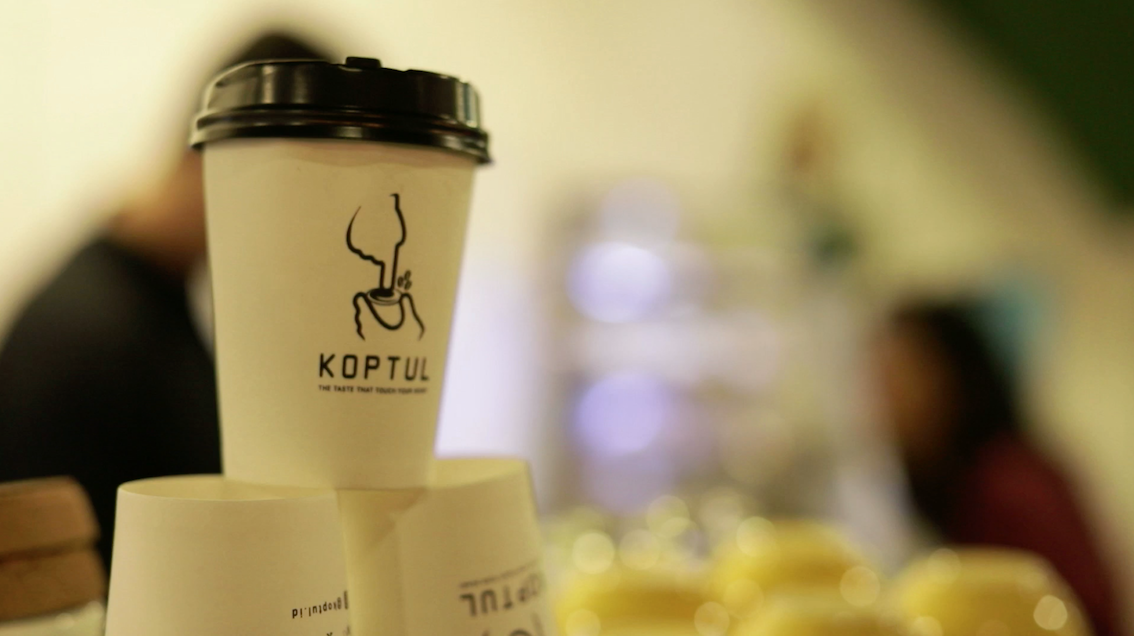
Kopi Tuli serves up more than just beverages. The cafe is also a learning center for the deaf community in Jakarta. /CGTN Photo
“I want our customers to not be afraid to speak to the deaf employees here. There is nothing to be afraid of. Instead, we want to encourage an environment of learning from each other," said Putri.
Now, many of the visitors to the cafe are beginning to learn sign language and becoming more comfortable signing with their deaf friends. Putri said that is one of the purposes of the Deaf Cafe. It isn’t just a place for people to hang out, eat and drink but also a place where people of all backgrounds can come together, interact and learn from one another.
"My hope is that in the future I can open more branches of this cafe and to have my own coffee production house so that we can be the place to provide employment and opportunities to more people with disabilities," said Putri.
Kopi Tuli is a positive step towards teaching society the importance of diversity and inclusiveness. It is the latest example of how young entrepreneurs in Indonesia are tapping into their creativity and resources to create big changes in the country.