
 []
[]
Share







Copied
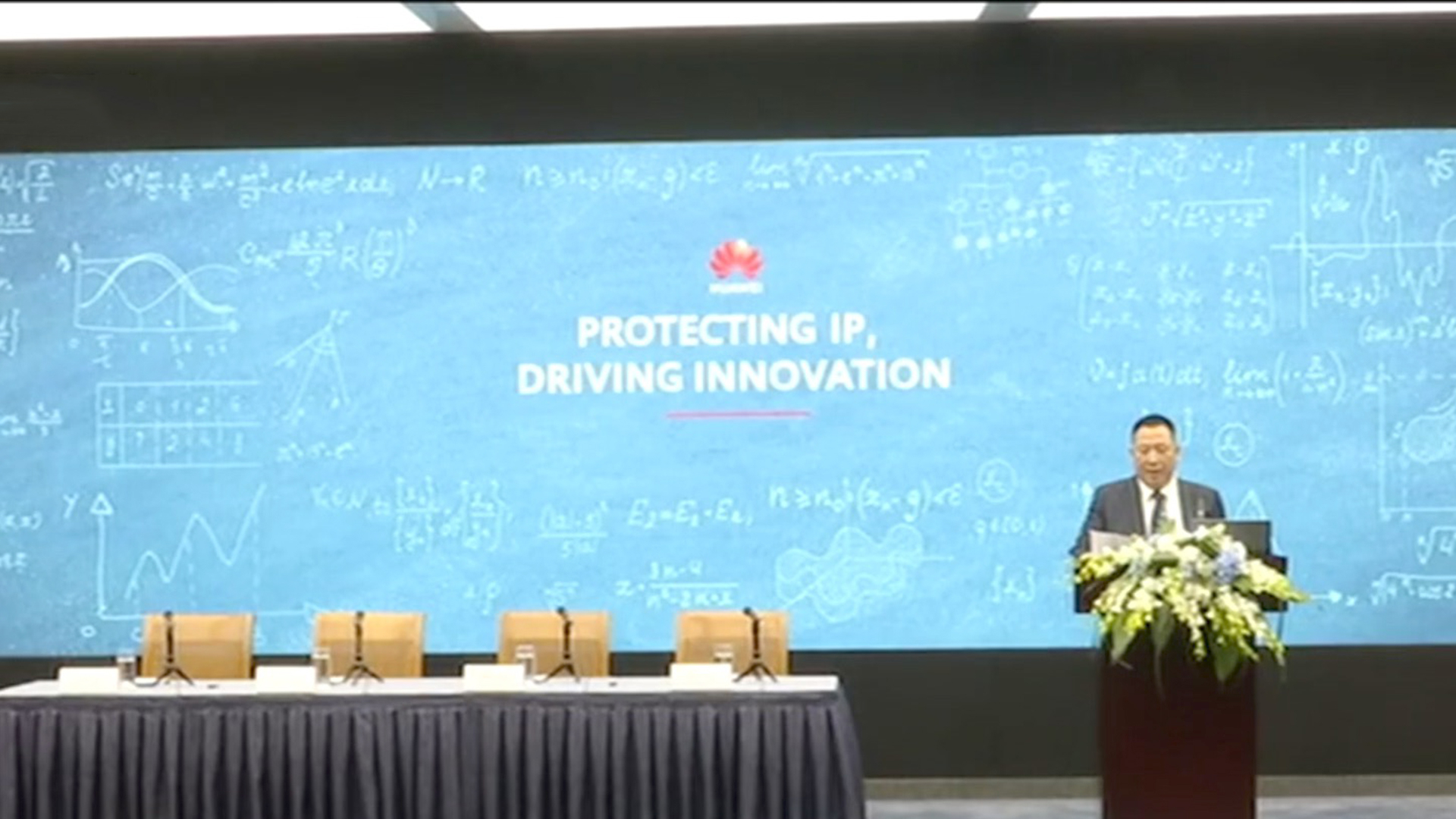
"Intellectual property is not a political tool."
That's the latest message Chinese telecom giant Huawei sent to the U.S. government.
On Thursday, Huawei held a press conference at its Shenzhen headquarters, explaining its stances on U.S. Senator Marco Rubio's plan to prevent the world's largest 5G patent holder from filing lawsuits in American courts.
Song Liuping, Huawei's chief legal officer, stated at the press conference that IP is private property, defined and protected by the U.S. Constitution.
The chief legal officer didn't mention the name of the U.S. government or Senator Marco Rubio in his statement but clearly he was referring to them.
"If politicians use IP as a political tool, they will destroy people’s confidence in the patent protection system," he said.
Song said if some governments selectively strip companies of their IP, it will break the foundation of global innovation.
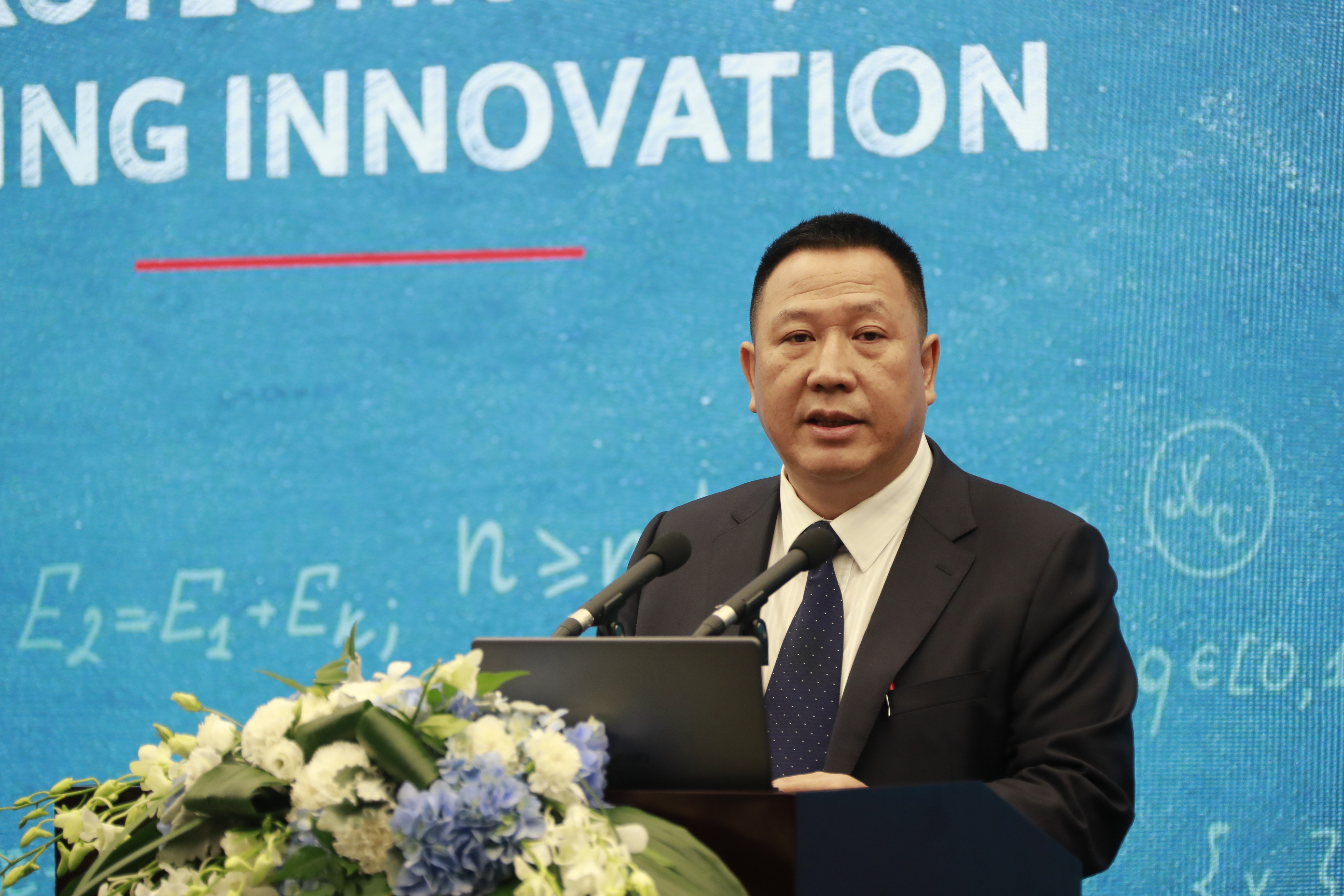
Song Liuping, Huawei's chief legal officer. /CGTN Photo
Some experts also show their concern.
"So the question I ask is who will be the next? It could be any foreign company," said Professor Peter Williamson from Cambridge Judge Business School. He added that the long-term cost of overthrowing these international cooperation rules that the world has developed over the decades will be "absolutely immense."
He advocated that the debate about international IP should be brought back to facts and kept away from political obedience.
When asked by CGTN's Ge Yunfei whether Huawei has any emergency plan if the amendment to the NDAA 2019 proposed by Senator Marco Rubio were passed, Song replied that Huawei strongly believes that the amendment cannot stand a chance due to the possible severe consequences.
"But if it were passed, we'll take every legal right to protect our interests," Song said, giving no further details.
Huawei also released a White Paper on IP & Innovation at the press conference.
According to the white paper, Huawei now has 11,152 existing patents in the U.S. Since 2015, the Chinese telecom giant has received 1.4 billion U.S. dollars in licensing revenue.
Over the past 30 years, it has paid more than 6 billion U.S. dollars in IP royalties to other companies, with nearly 80 percent of that paid to American firms.
As the world's largest 5G patent holder, Huawei defends itself as a product-based company which will not weaponize its intellectual property.
The company said it is firmly adhered to the "FRAND" principle towards IP, or "fair, reasonable, and non-discriminatory." Even though some countries do not buy products directly from Huawei, they still use the essential patents of Huawei, and share in the benefits of the technology Huawei creates.
Though Huawei has several patent cases in U.S. courts currently, it says it remains highly confident in the U.S. judicial system.