
 []
[]
Share







Copied
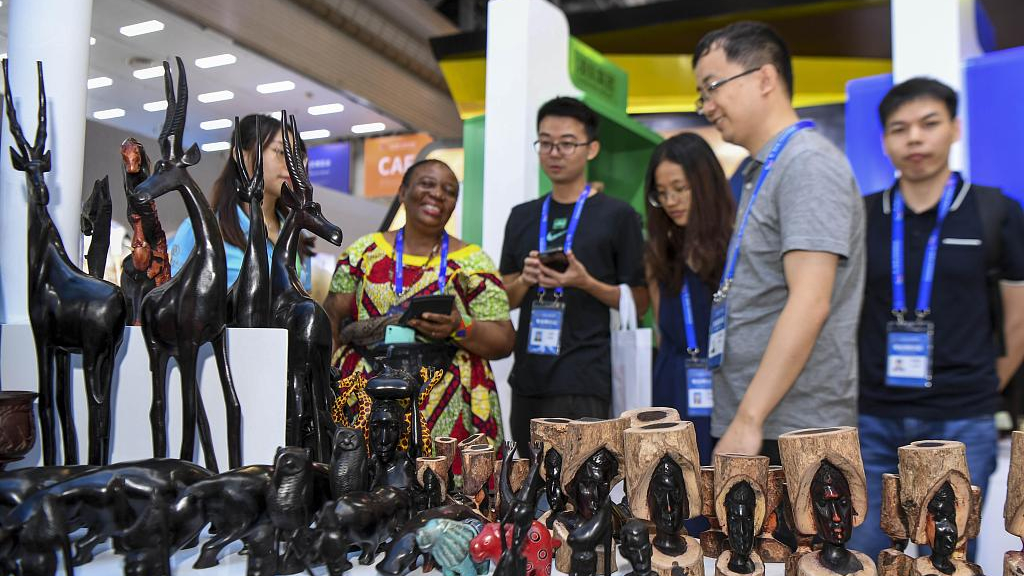
The successful conclusion of the recent follow-up dialogue of FOCAC and the wrapping up of the first China-Africa Economic and Trade Expo signify a new stage for China-Africa economic and trade cooperation.
More pragmatic and high-quality projects will be implemented in Africa, under the framework of the Belt and Road Initiative, with focus on cultivating African endogenous growth capability.
An array of data and cooperation cases has witnessed the fruitful cooperation between China and Africa over the past decades, and also reflect a brighter future for both sides to continue working on.
Increasing bilateral trade
China surpassed the U.S. in 2009 to become Africa's largest trading partner and has held this position for 10 consecutive years.

African coffee bean producers target the Chinese market. /VCG Photo
According to statistics from the General Administration of Customs of China, in 2018, China’s total import and export volume with Africa hit 204.19 billion U.S. dollars, a year-on-year increase of 19.7 percent.
In 2018, the growth rate of China's trade with Africa was the highest in the world. The import growth rate was also the highest in the world, 15 percentage points higher than the Chinese import growth rate for foreign trade in the same period, MOFCOM's data shows.
Trade structure has also been optimized. Mechanical and electronic products, and high-tech products accounted for 56 percent of China's export to Africa, while African agricultural products exported to China increased by 22 percent.
'No road, no economy'
Infrastructure is one of the most substantial driving forces for economic prosperity. China is the most eye-drawing country to invest in African infrastructure projects, financing one-fifth of infrastructure projects and building one-third of such projects.
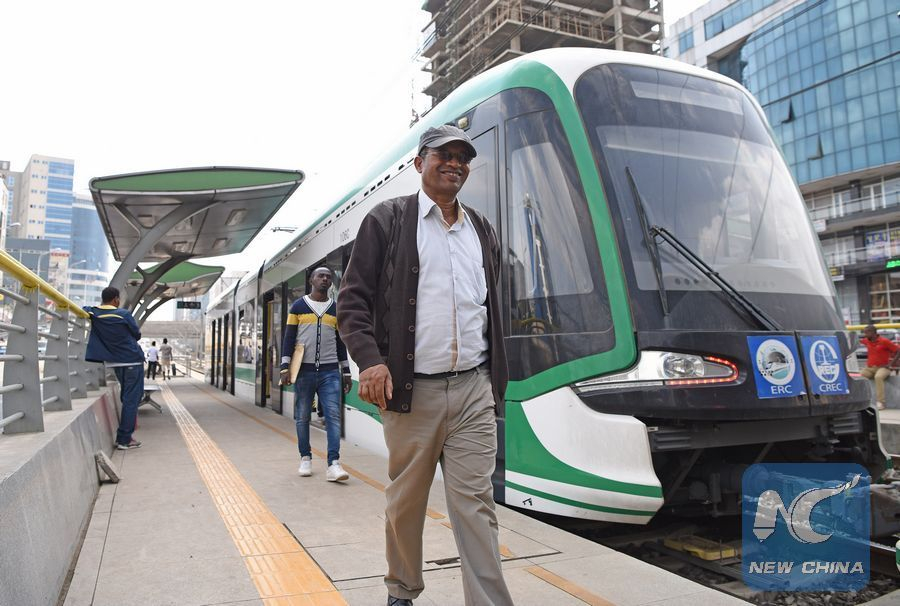
A train running on the Chinese-built light rail in Addis Ababa, capital of Ethiopia. /Xinhua Photo
From 2012 to 2016, China provided an average of 11.5 billion U.S. dollars in financing infrastructure to Africa each year, reaching a peak of 20.9 billion U.S. dollars in 2015. This included some large-scale transportation and energy deals, for example, Chinese lending institutions financed over 50 percent for the Mambilla Hydropower Station Project in Nigeria and invested 2 billion U.S. dollars for the Lamu Coal Power Station in Kenya.
In recent years, Chinese enterprises have participated in over 200 major projects in fields such as rail transit, ports, aviation, and electrical power.
The completed and under construction projects of Chinese companies in Africa will help upgrade the infrastructure on the continent.
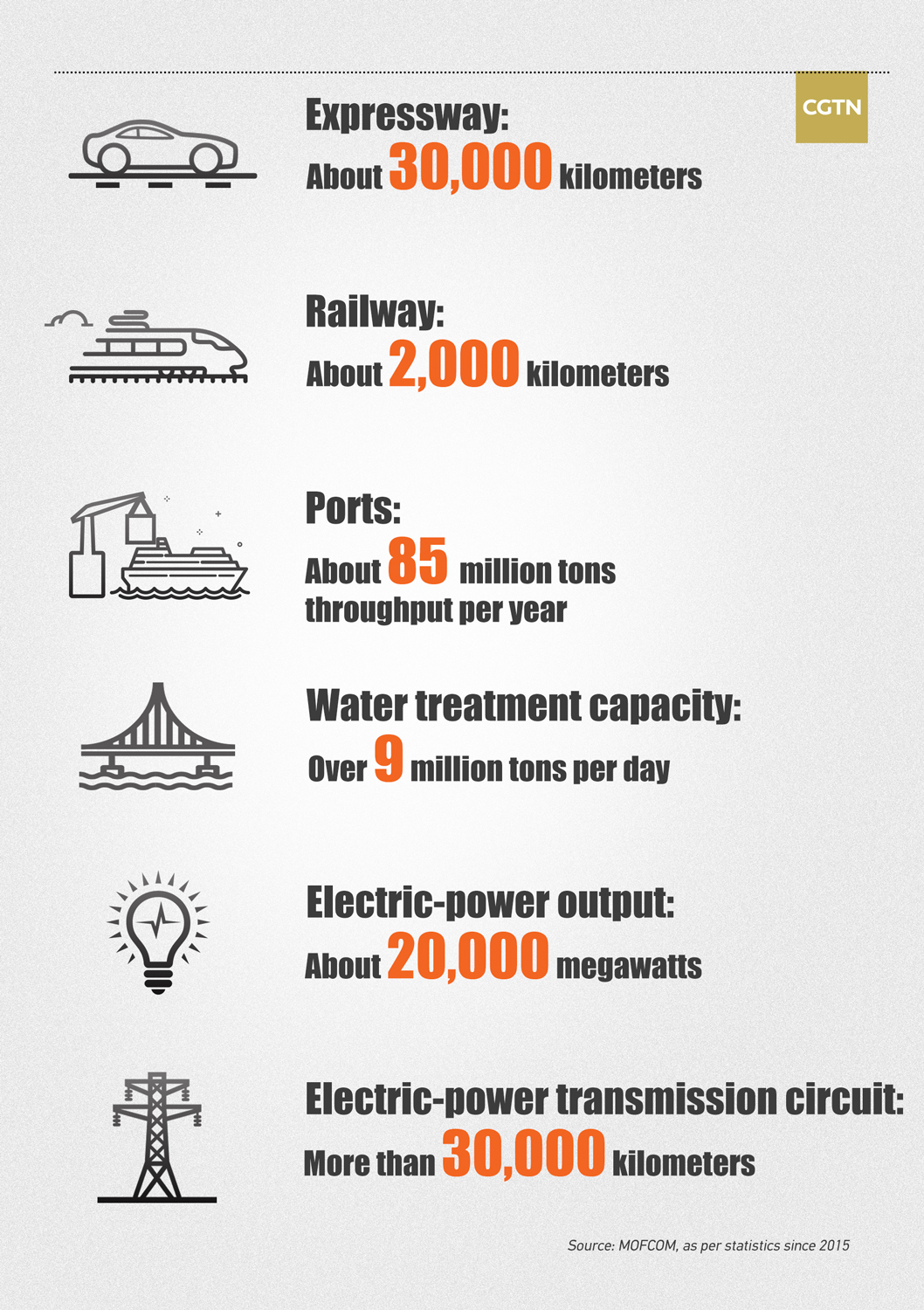
Chinese enterprises have also helped the projects build their own local professional teams, creating 900,000 jobs.
The Addis Ababa–Djibouti Railway with a total length of 759 kilometers, connecting Ethiopia and Djibouti, has alleviated local logistics' bottlenecks and promoted the entry of more Ethiopian products into the global market. Now the railway takes only 12 hours, shortening the original three-day trip.
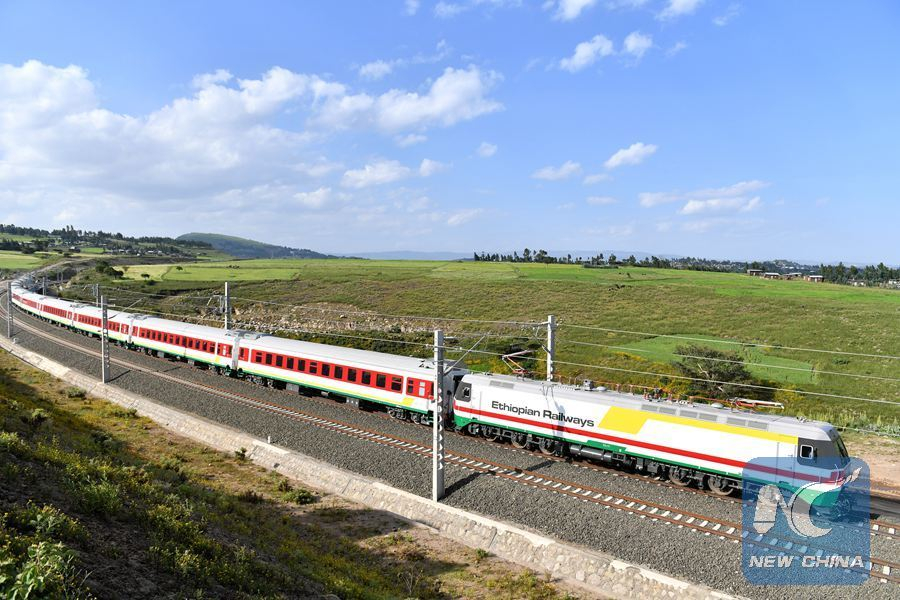
A train runs on the Ethiopia-Djibouti Railway during an operational test near Addis Ababa, Ethiopia. /Xinhua Photo
In the first four months of 2019, China's contract value for newly-signed contracted infrastructure projects in Africa reached 14.43 billion U.S. dollars.
Integrated industries investment
Sino-African industries cooperation has gone deeper. By the end of 2018, China had established more than 3,700 companies in Africa, with direct investment in African industries exceeding 46 billion U.S. dollars.
The industries in Africa have gradually integrated with China's cooperation, forming a number of industrial clusters such as manufacturing equipment, light industrial textiles, and household appliances, which has greatly improved the local industrialization level, industrial support and foreign exchange earning capacity.
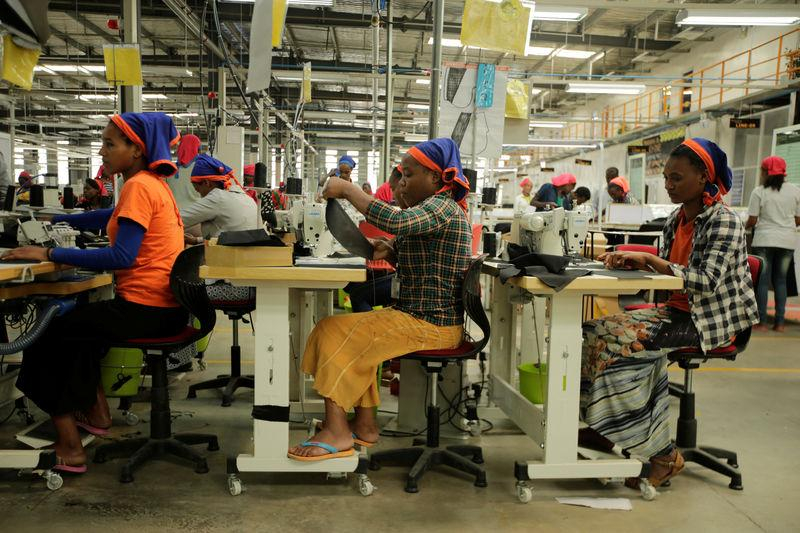
Indochine Apparel PLC textile factory in Hawassa Industrial Park in Southern Nations, Nationalities and Peoples region, Ethiopia. /Reuters Photo
The China-Africa Economic and Trade Cooperation Zone has become an important pillar of support for China's industrial investment in Africa. So far, China has built 25 such zones in Africa, and made positive contributions to Africa's industrialization, employment and exports.
In the first four months of 2019, China's direct investment flows to African industries reached 1.22 billion U.S. dollars, a year-on-year increase of 40.7 percent, according to official data.
Ascendant collaboration in emerging sectors
Chinese financial institutions have established more than 10 branches in Africa. Eight countries including South Africa have included Chinese yuan in its foreign exchange reserves. China has also established a Chinese yuan clearing arrangement with Zambia and signed a local currency swap agreement with the four countries of South Africa, Nigeria, Egypt and Morocco.
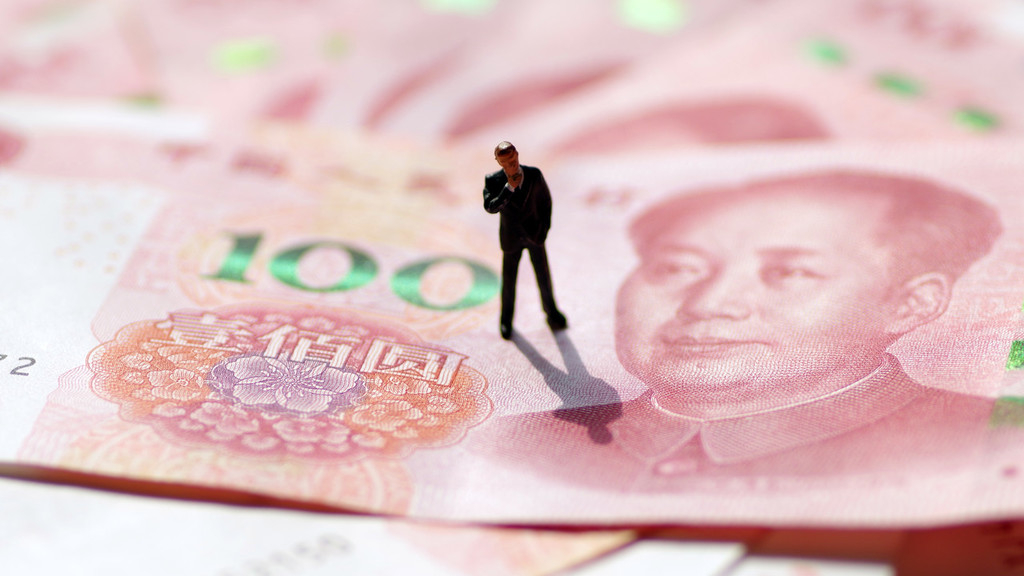
Reserves held in Chinese yuan rose to 202.79 billion U.S. dollars in the fourth quarter of 2018, according to the IMF. /VCG Photo
Cross-border e-commerce cooperation and other new formats have witnessed rapid growth. Late last year, Alibaba and the Rwandan government announced the establishment of Africa's first Electronic World Trade Platform (eWTP).
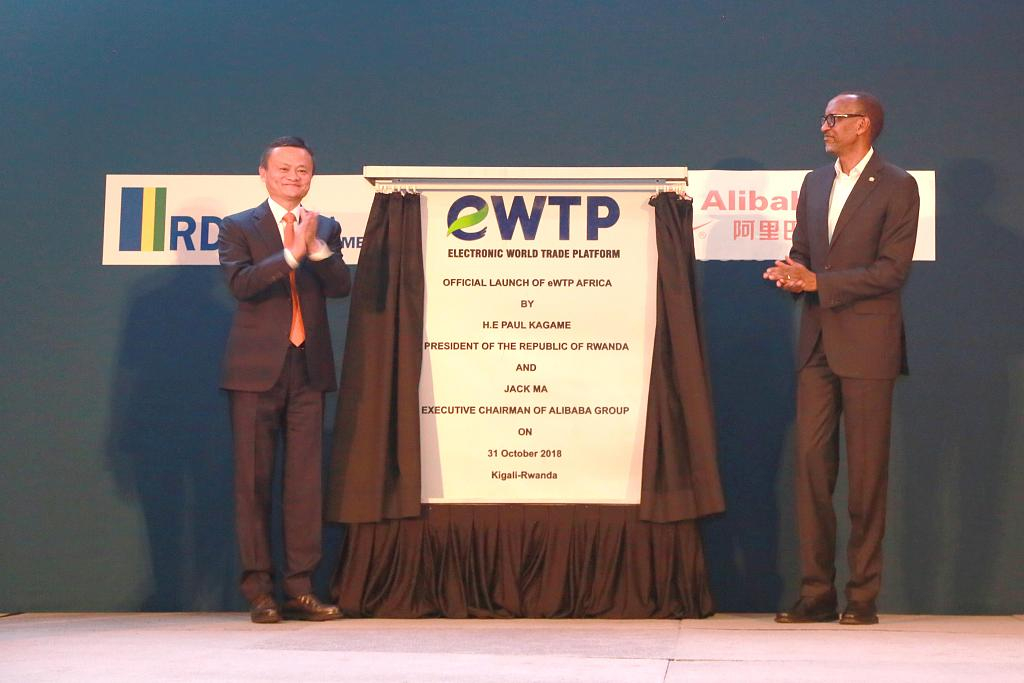
Alibaba Executive-chair Jack Ma and Rwandan President Paul Kagame announced the establishment of Africa's first eWTP. /Xinhua Photo
Rwandan farmers earned only one dollar for a kilogram of coffee beans. Since Rwanda joined eWTP, quality coffee has been sold to Chinese consumers through e-commerce platforms, and farmers' income has increased greatly, said Rwandan President Paul Kagame in World Economic Forum this year.