
 []
[]
Share







Copied
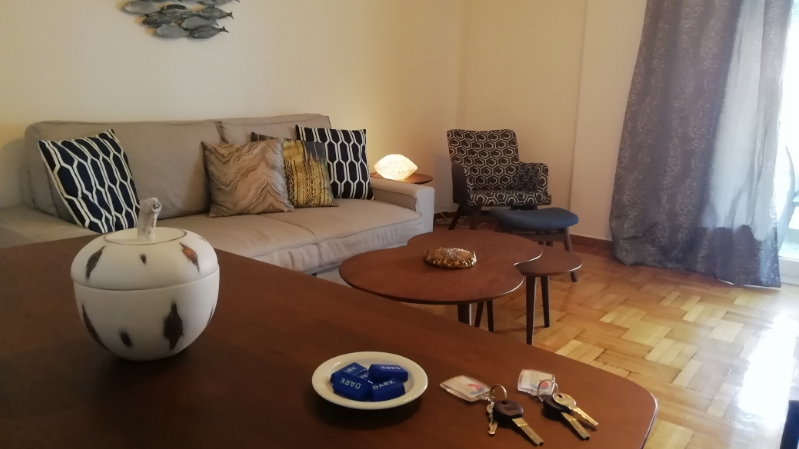
In 2011, as the economic crisis was starting to hit Greece, Nikos Boidanis and his family had just moved to Koukaki in downtown Athens. Back then, the neighborhood, though meters away from the Acropolis, had been belittled and forgotten for years. That's when he first started noticing some tourists carrying suitcases through the narrow sidewalks of Koukaki. And that's when he and his business partner started exploring the potential of Airbnb as a business activity.
At the end of 2014, they furnished and rented the first apartment in Koukaki to test out the waters and see if Airbnb could provide some extra income in addition to the construction company they own. Five years on, Nikos Boidanis and his business partner have expanded in the home-sharing business and now manage 20 short-term rental apartments in downtown Athens, most of which their company has also renovated and furnished. The business duo also plans to add four more in the coming months.
As more and more home-owners have been listing their properties in online short-rental platforms like Airbnb, the demand for property managers, especially in Athens has also been growing, along with the competition. According to a report released earlier this year, half of all the properties on the market for short-term rentals in Athens are managed by companies. “It's a 24 hour job, 12 months a year here in Athens,” says Nikos Boidanis and explains that not everyone is willing or capable to do that. "And that's when they turn to us."
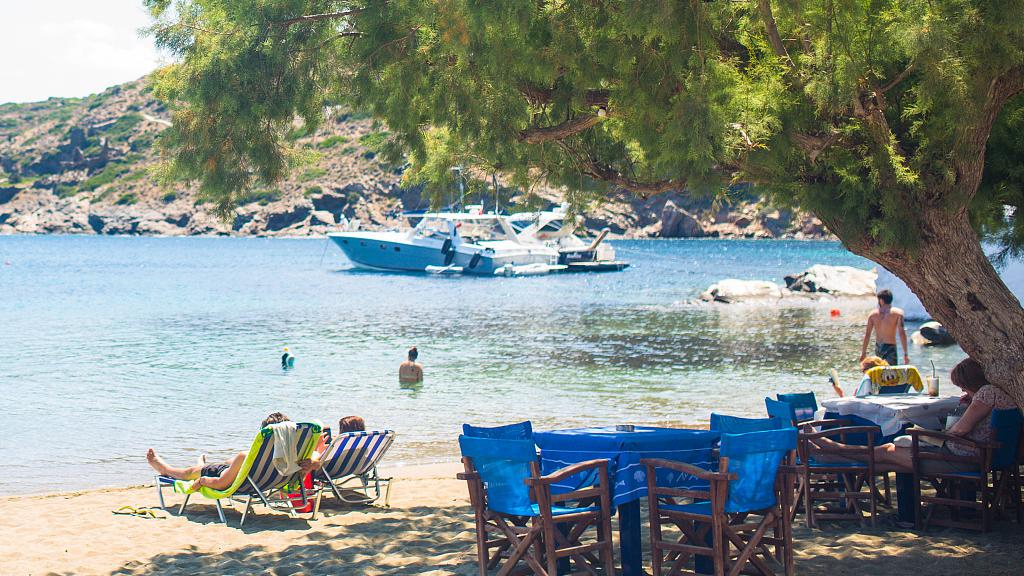
In 2018, 30 million tourists visited Greece, almost two million of which stayed in an Airbnb property. /VCG Photo
Airbnb has been reviving and gradually changing the once sleepy neighborhood of Koukaki more than any other neighborhood in Athens. Many local residents oppose Airbnb, saying their once peaceful neighborhood is now swarmed by tourists and high rents are driving the locals out. Yet, just by walking around that area is possible to see how more and more businesses are trying to take advantage of the growing demand of tourists for services like restaurants, cafes offering Greek style breakfast and laundromats.
Until recently, many of those new businesses were just empty spaces. This micro-economy around Airbnb is, according to analysts, upgrading the neighborhood (especially the properties since many of the apartments are renovated before they are listed on the platform) and breathing new life to an anemic economy.
According to the Bank of Greece, Airbnb represented 5.5 percent of total tourist accommodations in Greece in 2018, with over 91,000 apartments, houses and rooms listed on the Greek Airbnb platform. Their number has continued to grow during the first months of 2019, yet the first signs of a slowdown are starting to show.
Since the Greek government started taxing home-owners and imposed rules for listing their properties on house-sharing platforms like Airbnb, some started going back to the traditional, long-term monthly rentals. The competition that has been already pushing short-term rental prices downwards made others to withdraw their properties from Airbnb.
Moreover, Greece's new government is planning to further control platforms like Airbnb. “There are too many properties, too much competition and the next stage is that prices become too competitive,” says Lefteris Potamianos, President of the Real Estate Association of Athens and Attica. “There is a lot of tourism but it has a limit. And the market can only take it to a certain point. So what will be left is the number that belongs in this market, the short-rental market will clear up, we may have some ups and downs in the real estate prices as an outcome of how the short-rental market goes and that's how this will move on.”