
 []
[]
Share







Copied
New research has found that the Pacific's low-lying reef islands are likely to change shape in response to climate change, rather than simply sinking beneath rising seas and becoming uninhabitable as previously assumed.
Atoll nations such as Tuvalu and Kiribati lie only a few meters above sea level and are considered the world's most vulnerable to global warming, with fears their populations will become climate refugees as waters rise.
But a study published this week found that such islands "morphodynamically respond" to the environment because they are composed of the skeletal remains of tiny reef-dwelling organisms, rather than solid rock.
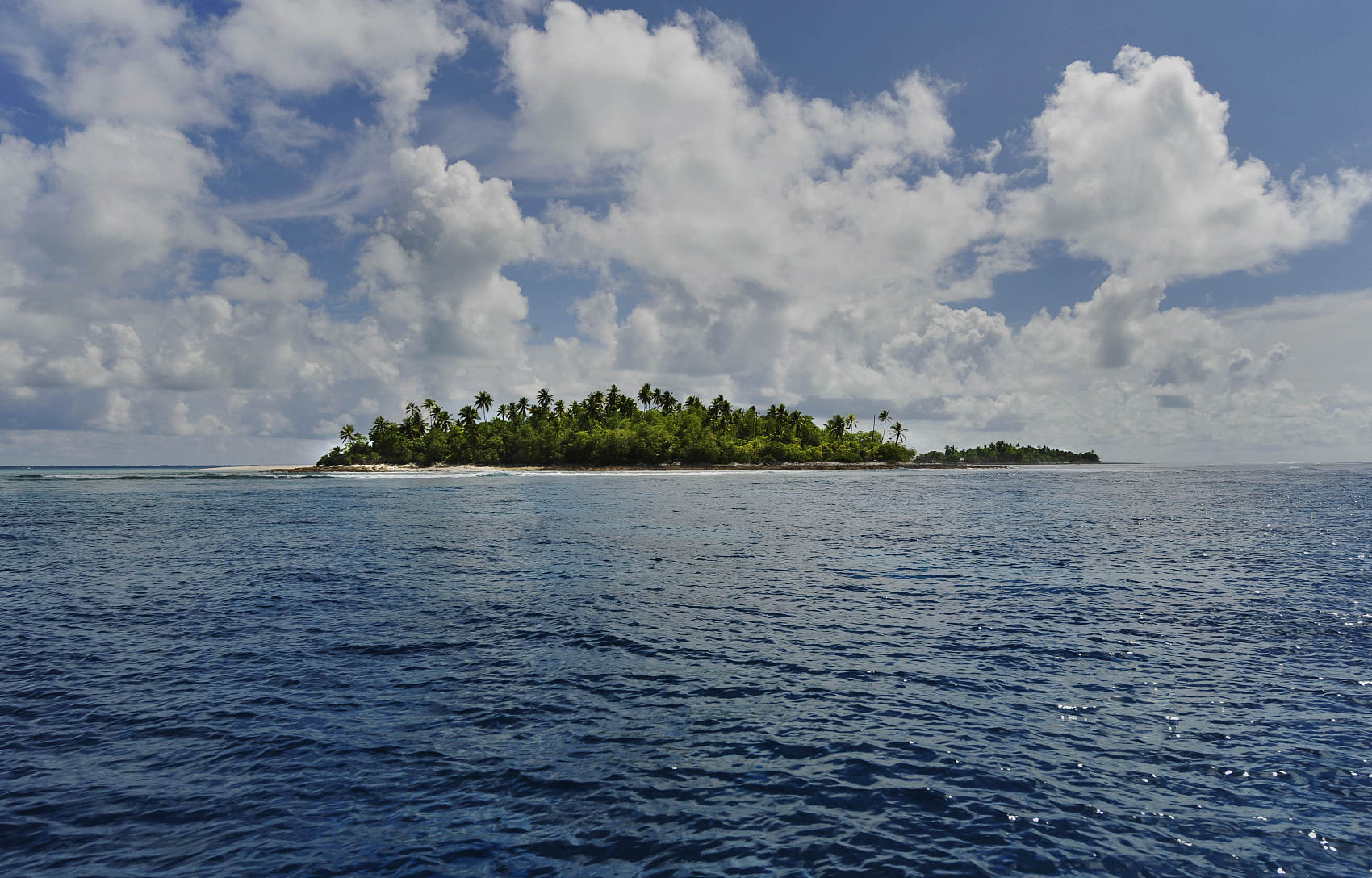
Islands of Abaiang, Kiribati. /VCG Photo
The researchers said evidence that such islands slowly change like shifting sands had profound implications for climate change planning in affected nations.
Co-author Murray Ford of Auckland University said low-lying reef islands appeared more resilient than previously thought.
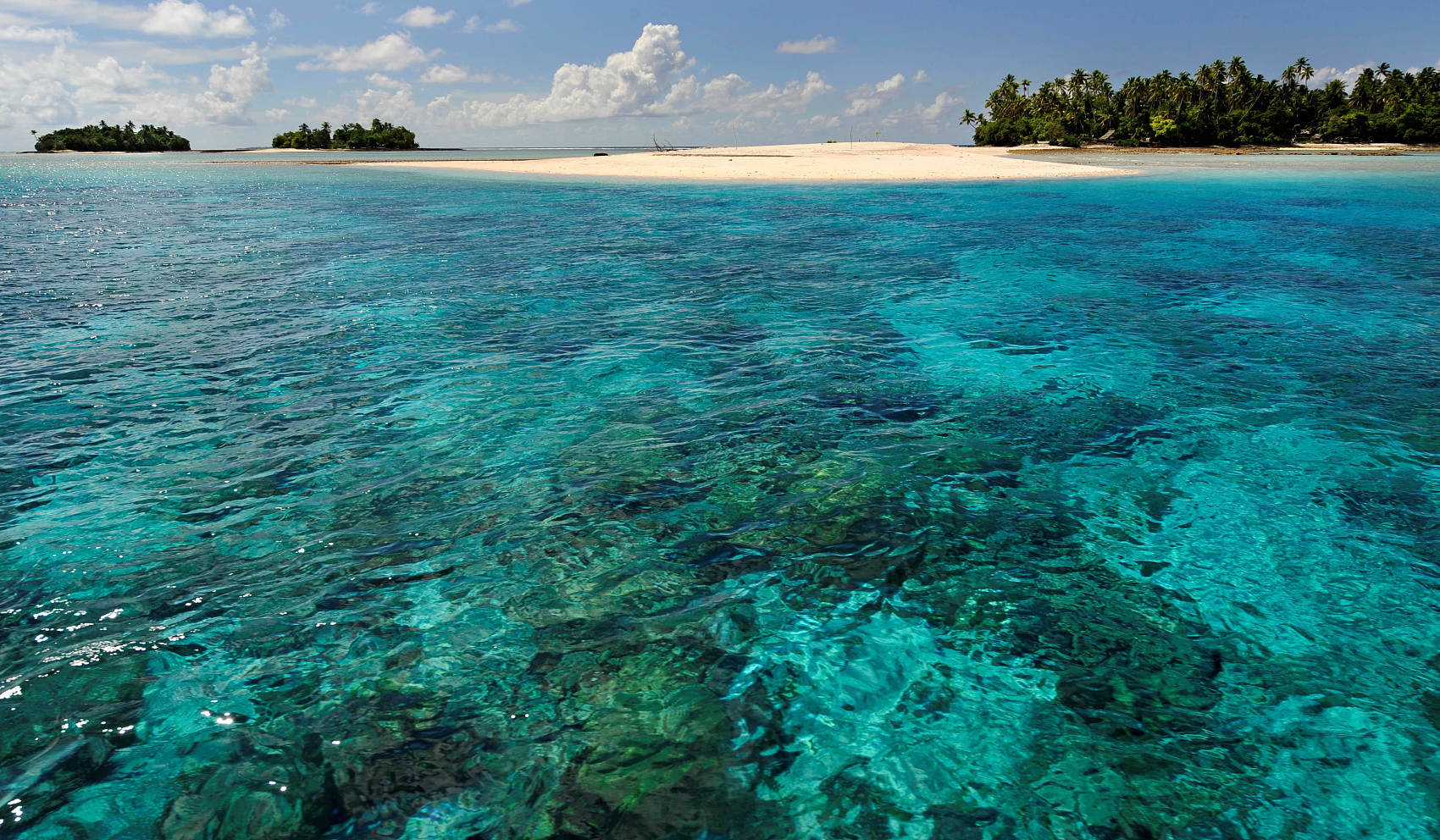
Islands of Abaiang, Kiribati. /VCG Photo
The study, conducted by researchers from New Zealand, Britain and Canada, was published by the Geological Society of America this week.
The researchers created a 1:50-scale model of Tuvalu's Fatato Island in a 20-meter flume tank to test the impact of rising seas and increasing storm surges caused by climate change.
They found the crest of the island became higher and the entire landmass shifted across the underlying reef.
"These insights highlight an urgent need to incorporate island morphological dynamics into reassessments of future wave-driven flood risk projections for reef islands," the researchers said.
(Cover image: Funafuti Atoll, Tuvalu. /VCG Photo)
(If you want to contribute and have specific expertise, please contact us at nature@cgtn.com.)