
 []
[]
Share







Copied
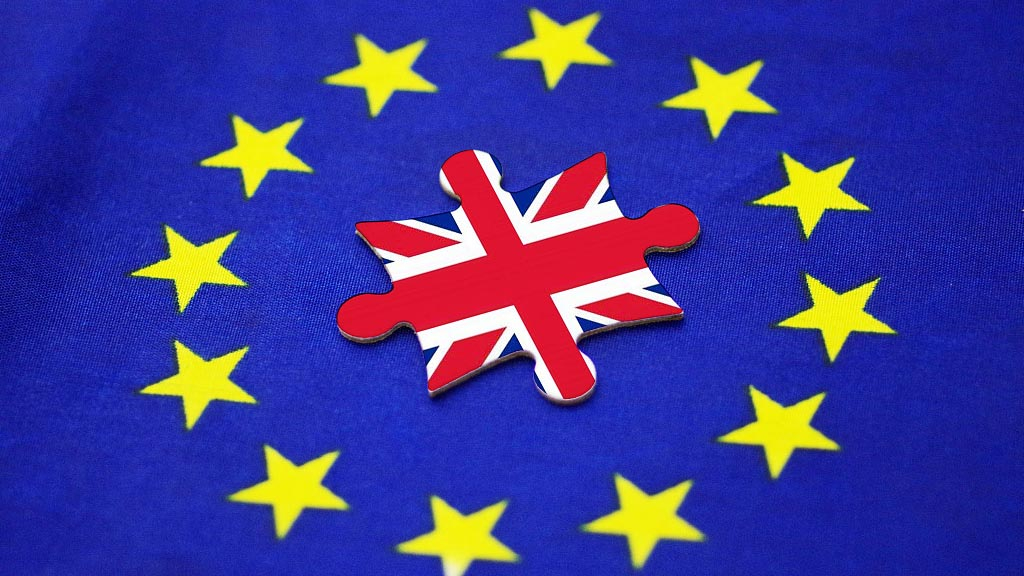
Despite a change of guard in the UK, Brexit still remains the biggest challenge for the new prime minister.
Deal or no deal? It's the question Britain's been grappling with for months now.
Theresa May failed to unite the Parliament or even her own party over the Brexit question.
So can Boris Johnson deliver?
He asserts he can but does not guarantee a smooth ride as what he said during his speech after winning Conservative leadership: “We are going to get Brexit done on October 31, and we are going to take advantage of all the opportunities it will bring in a new spirit of 'can do'.”
Many fear "the do or die" cry would leave the UK high and dry, and result in a no-deal Brexit on October 31 which essentially would mean no trade agreement, no political pact and a hard border between the UK and the rest of Europe.
A scenario that many economists predict would be a "doomsday" one for businesses and people alike. Boris Johnson, for long has termed these predictions total "nonsense" and "completely overblown".
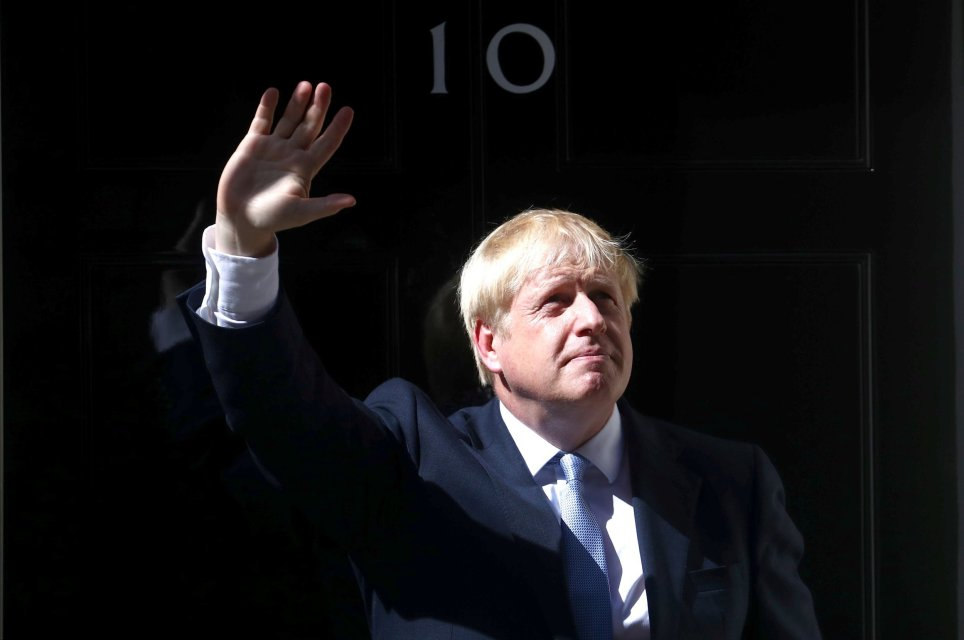
Britain's new PM, Boris Johnson, delivers a speech outside Downing Street, in London, Britain, July 24, 2019. /Reuters Photo
Let's now analyze what's likely to happen next.
Boris Johnson wants to sign an agreement with the EU without the provisions of an Irish backstop, which stated that an open border would remain between UK's Northern Ireland and the Republic of Ireland till a final agreement is reached.
A pact that was signed between then PM Theresa May and the EU but was rejected by UK's parliament. European leaders have repeatedly said that they won't reopen the negotiations with the new leader.
So if there is a deadlock and both sides refuse to blink, Britain will crash out of the EU on October 31.
But there is only one way it could be avoided... If the British Parliament decides to intervene and challenge a no-deal crash-landing, parliament can draft a new law and tell the PM to seek another extension.
Though it's still debatable – how legally binding would Parliament's instruction be? Many argue that Johnson may also try and suspend Parliament, which is essentially a month or two of leave. But if the new PM uses suspension of parliament as a political tool, analysts say it's likely to anger some of Johnson's fellow conservatives.
And here lies Johnson's next challenge: the numbers to cling onto power.
The Conservatives, in a pact with the Northern Irish Democratic Unionists, have a wafer-thin majority to rule and if the DUP loses a by-election on August 1, it could spell trouble for the government.
By choosing key Brexiteers as cabinet ministers, Johnson has made it clear... he's not looking to build a unity government.
So, despite the public confidence, the new PM may find himself and his government fighting for survival, with some predicting that could happen much before the Brexit deadline.