
 []
[]
Share







Copied

In the wake of escalating violence in the Hong Kong Special Administrative Region (HKSAR), the relationship between the Chinese mainland and Hong Kong has been thrust under the spotlight.
Twenty-two years after the return of the region to China, many Hong Kong youths harbor deep misunderstandings about the mainland. What's behind the misunderstandings? And yet, one in six Hong Kong students have chosen to study in mainland universities. How do they see life on the mainland and future for Hong Kong? CGTN's The Point with Liu Xin talked with three Hong Kong young people living on the mainland and the head of a youth think tank to find out.
"Media" is what Vivian Ho, a doctorate candidate at Peking University, believed is a major reason for misunderstandings. For many in Hong Kong, she told the show, media is their only source of information about the mainland, but in some cases what is reported is not all true, resulting in some people's partial understanding.
Some Hong Kong people have negative impressions of tourists from the mainland – mainly because of some of the bad behaviors seen in public. Admittedly, some tourists may eat on the metro or litter the street, but Ana Lo, an undergraduate student at Tsinghua University in Beijing, believed it is "a matter of sample" that is magnified by the media.
"There are many mainlanders that are actually behaving very well," she emphasized, saying that "I always see children and youngsters that would give their seats to the elderly people and pregnant women [on buses and metros]."
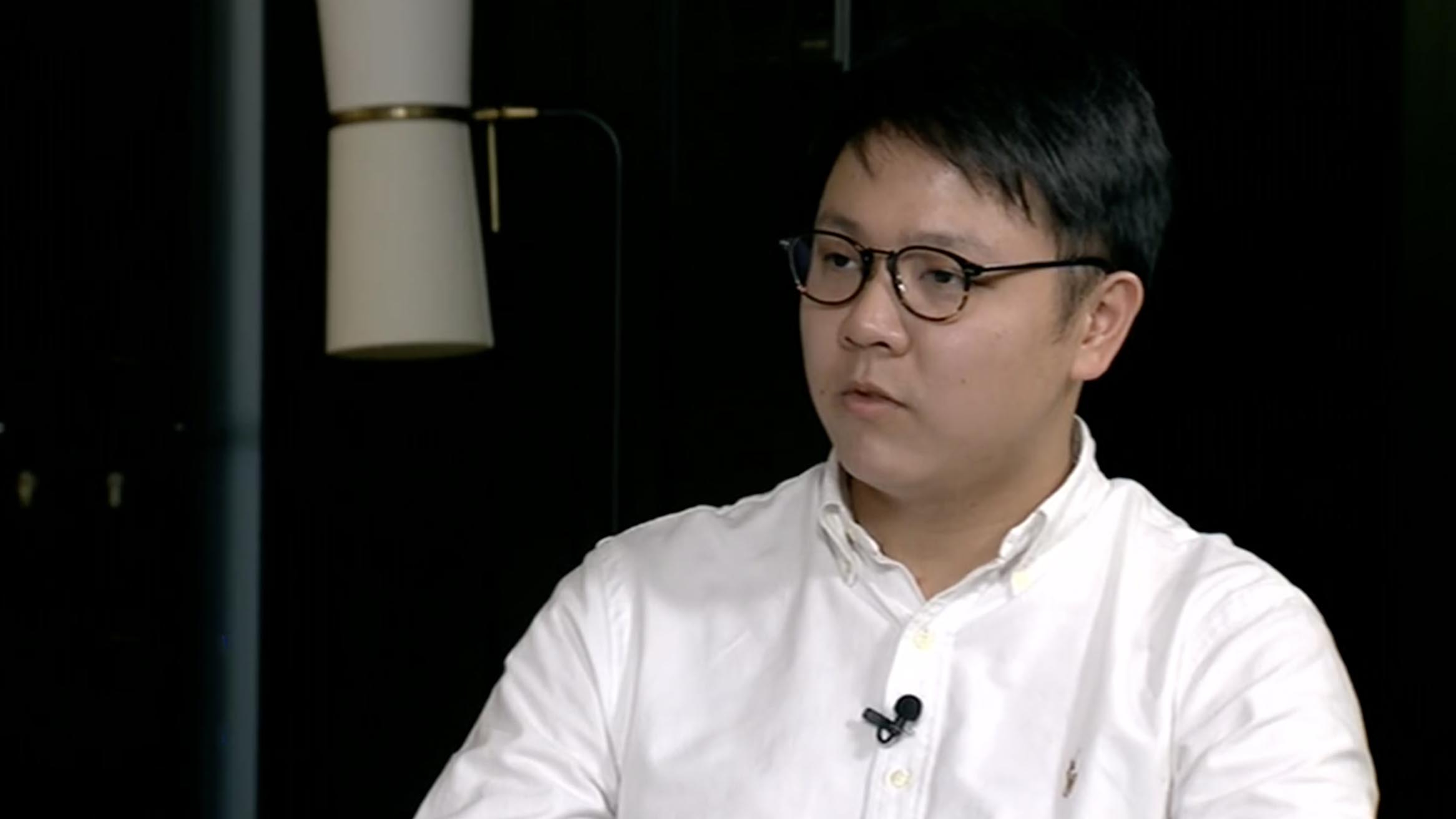
Meanwhile, according to a recent study, an increasing number of Hong Kong students have chosen Beijing, Shanghai, Guangzhou and other mainland cities as places to study and work.
"Now, we have about 15,000 Hong Kong students studying in mainland universities," Henry Ho told host Liu Xin. Ho, who is also founder and chairman of the One Country Two Systems Youth Forum think tank, added that the number represents one in six Hong Kong students.
For some of them, studying in mainland universities means better job opportunities. James Liu, who pursued a master's degree at Tsinghua University and now works in Shanghai, recalled that the mainland's mass entrepreneurship and innovation campaign attracted him to Beijing four years ago.
In recent years, the mainland witnessed the emergence of a large number of technological firms and incubation centers, and this is "fascinating" for Hong Kong students, James Liu said. While Hong Kong is known as one of the world's financial centers, he felt that there are still areas where Hong Kong can learn from the mainland.
To better integrate Hong Kong, Macao and Taiwan to the mainland, the State Council has introduced new ID cards for residents from these regions, granting them easier access to a wide array of public services, including hospitals, transportation and banking. James Liu said such policies have made life easier for students like him and he hopes to divide his time between Shanghai and Hong Kong in the future.
When asked about the future of Hong Kong, all the guests on Liu Xin's show were confident. "I'm worried that Hong Kong's economy will be affected… but I am confident that it will come back to normal very soon," Ana Lo emphasized.
As to her future career, she dreams to be a diplomat representing China including the mainland and Hong Kong. She told Liu Xin she knows it's a tall order, but it's not impossible.
(If you want to contribute and have specific expertise, please contact us at opinions@cgtn.com.)