- Home
- China
- World
- Europe
- Politics
- Business
- Opinions
- Tech & Sci
- Culture
- Sports
- Travel
- Nature
- Picture
- Video
- Live
- TV
- Specials


Share







Copied

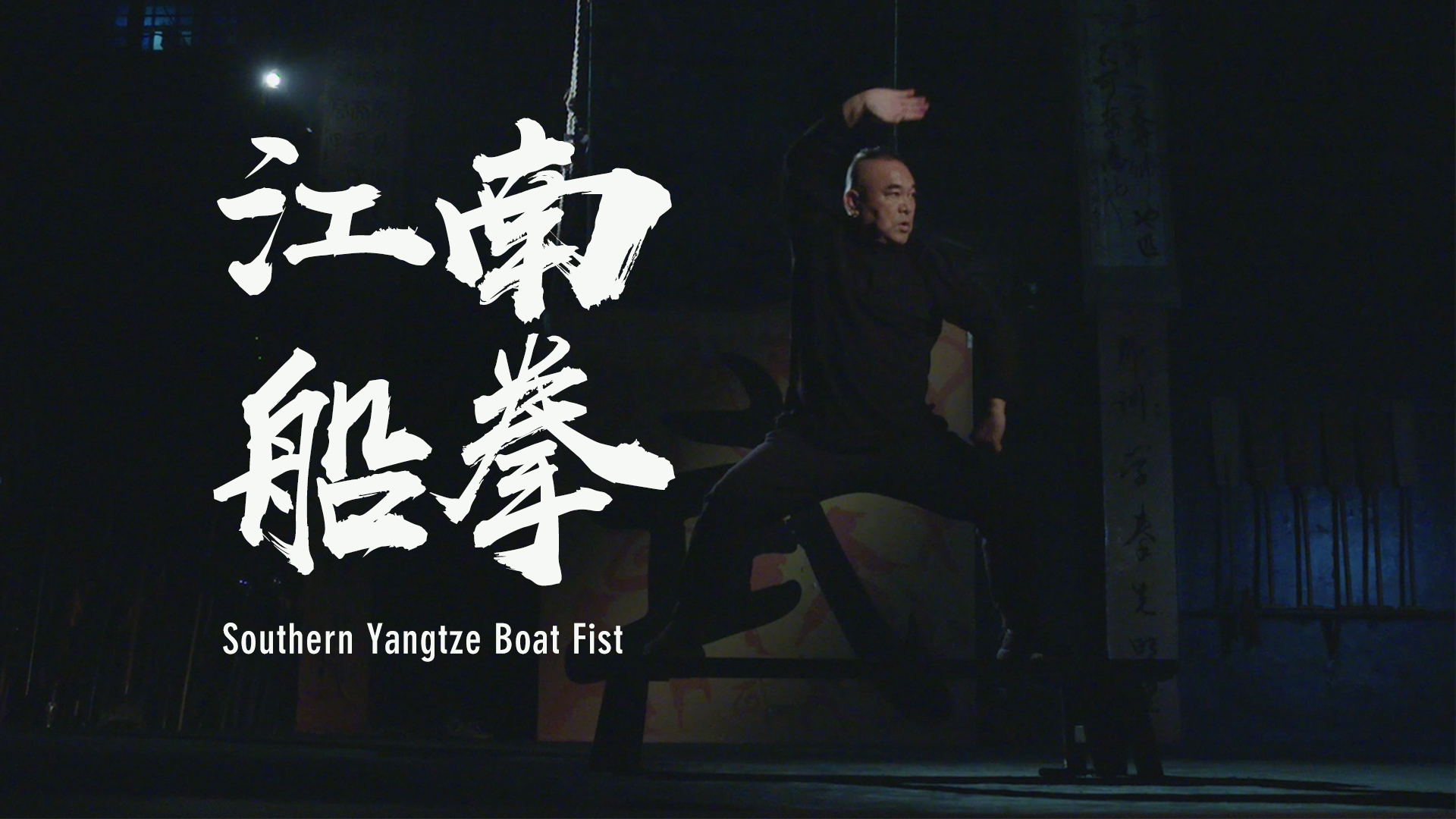
The Southern Yangtze region is characterized by its rivers and lakes, thus giving it the name "Southern Yangtze water town" since ancient times. The water canals provide a special view of the town from inside the boat and inspire the area's colorful martial arts culture. The Boat Fist is one of the region's important schools.
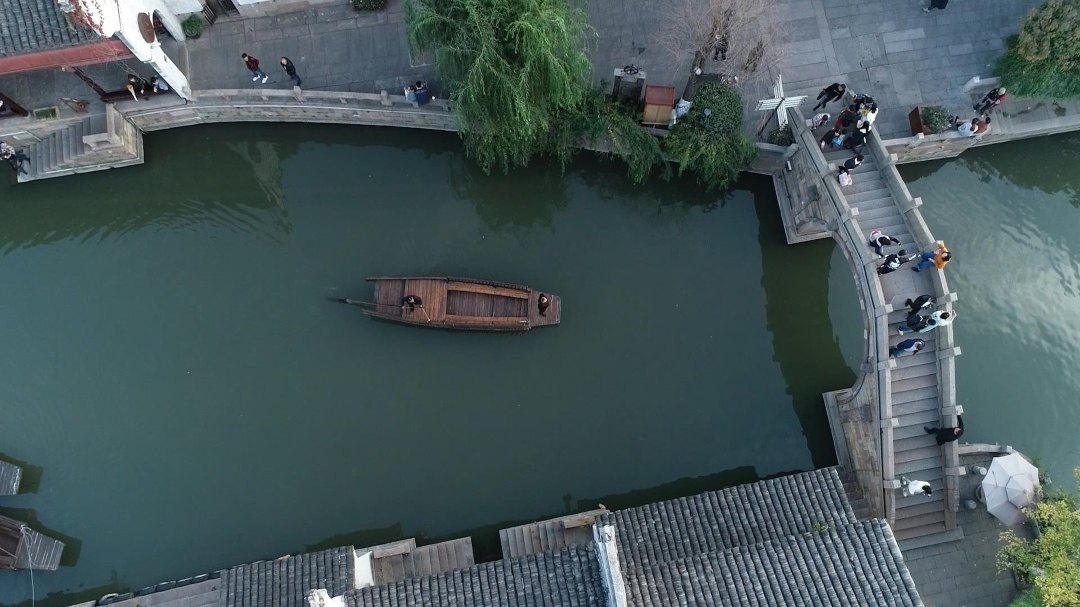
Rivers and boats inspire the Southern Yangtze Boat Fist. /CGTN Photo
The Southern Yangtze Boat Fist is a niche style with a long history, originating with the Wu-Yue culture in the Spring and Autumn Period (770-476 B.C.). Back then, the state of Wu defeated the state of Yue and banned the people of Yue from practicing martial arts. The patriots of Yue secretly practiced it on boats. They were armed with paddles and boat-poles. Later, it was passed on orally among fishermen for generations and gradually became popular.
Han Haihua is the inheritor of the Southern Yangtze Boat Fist. He grew up by the South Lake in Jiaxing City, east China's Zhejiang Province. According to him, boats are too narrow to walk around, and you could be wobbling on deck while the boat is moving. Therefore, maintaining balance is the foundation of the Boat Fist.
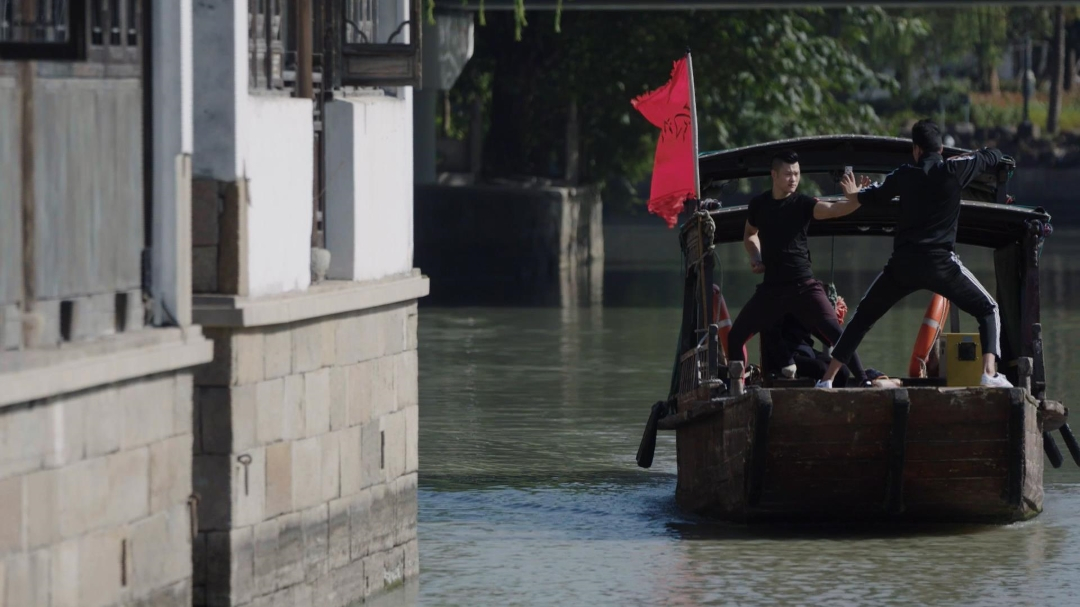
Maintaining balance is the foundation of practicing Boat Fist on board. /CGTN Photo
To stand firmly on the prow of the boat, the position of the fists and legs should change with the rocking boat. Practitioners use a dragon-riding step to keep their feet while using elbows and knees as a powerful weapon. The long-range attacks require kicks and blows, and the close-range attacks are done with elbows and knees. The moves are short and fast.
The boat moves in the water, while the fist follows the movement of the boat. The water will continue to flow in the river, yet the fist technique might not stand the test of time. Han is determined to promote the fist. However, there are only a few inheritors and no written records or fist books. It was tortuous in the beginning.
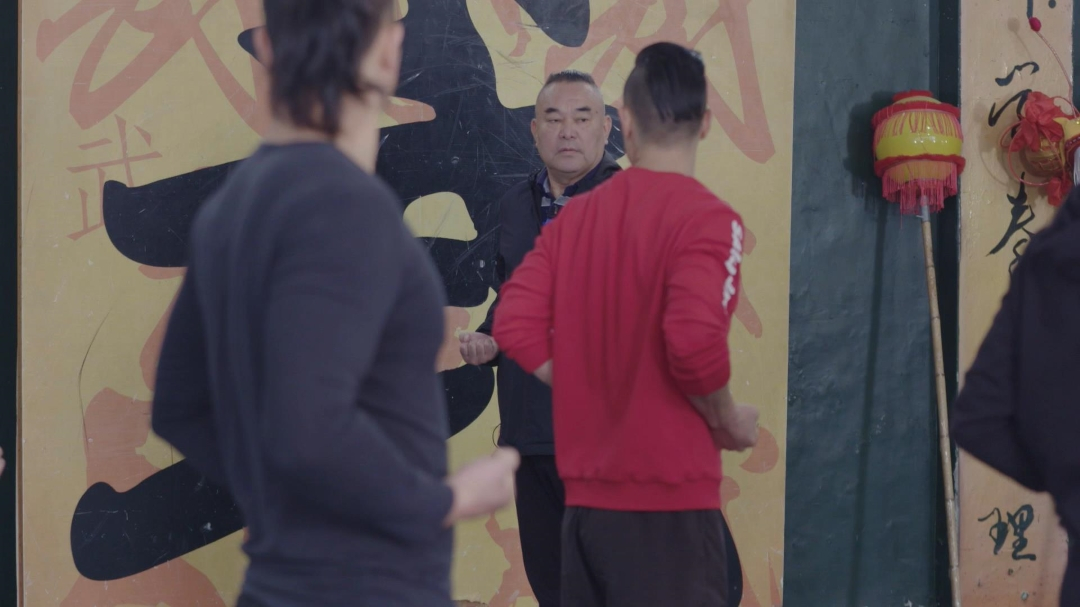
Whether young generations are willing to adopt the Boat Fist is the key to the continuation of the Southern Yangtze Boat Fist. /CGTN Photo
His master, Zhou Yongjiang was too old to show Han the positions in person. He had to figure out many sets by himself. To sort out the materials, Han tried to look for other inheritors in the local area, but it turned out there weren't any.
"In the end, I had no choice but to sort out what the master had taught me. I sorted the first set called the Mother Fist, consisting of 64 moves. I broke down the positions so that they could be easily understood."
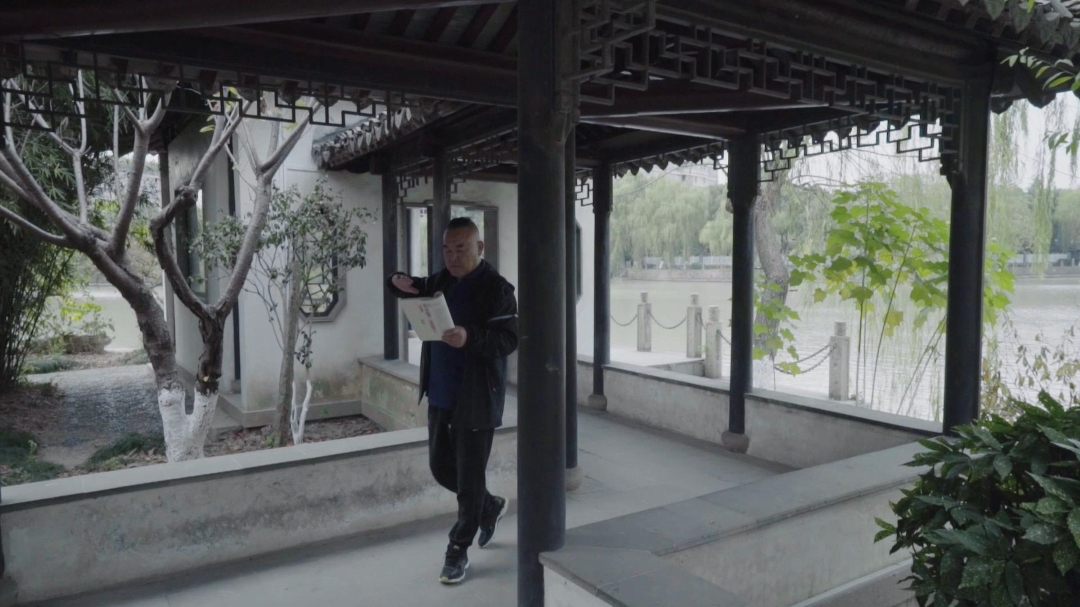
Han Haihua dedicated his life to keep the Boat Fist alive. /CGTN Photo
In recent years, Han has devoted himself to preserving and transmitting the Boat Fist. In addition to the declaration of the technique as a national intangible cultural heritage, the sets were improved, and he also created martial arts stage play, so that through the various methods, more people can be interested in learning about the Boat Fist; it's also helping to popularize the style.
Thanks to Han's efforts, the Boat Fist is alive again and is no longer limited to the bow. It has stepped up onto bigger arenas.
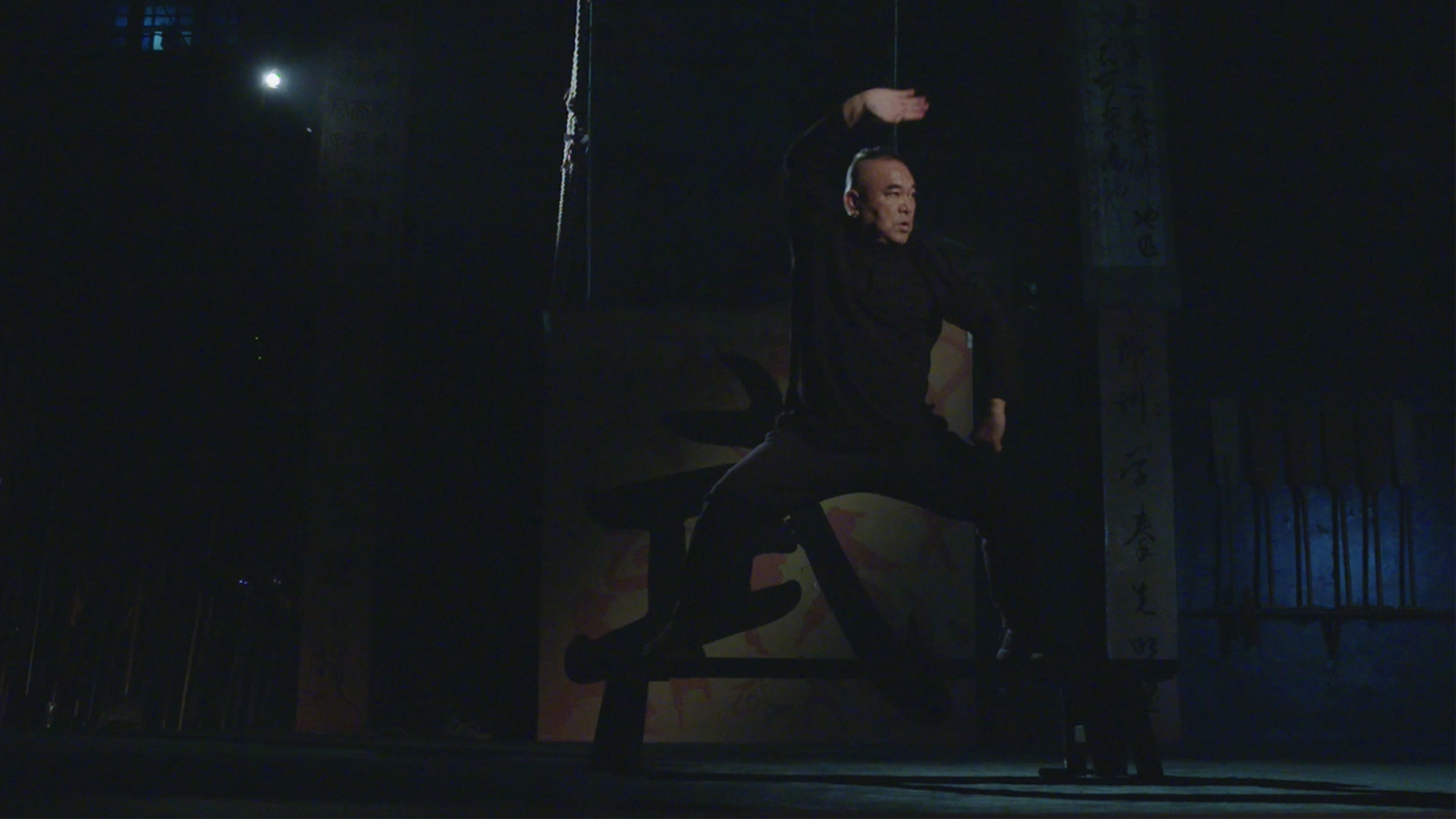
Han Haihua, the master willing to guard the Boat Fist. /CGTN Photo
"I love martial arts, and I'm good at it. So, I'm going to make the best. The Southern Yangtze Boat Fist is my lifelong pursuit."