- Home
- China
- World
- Europe
- Politics
- Business
- Opinions
- Tech & Sci
- Culture
- Sports
- Travel
- Nature
- Picture
- Video
- Live
- TV
- Specials


Share







Copied
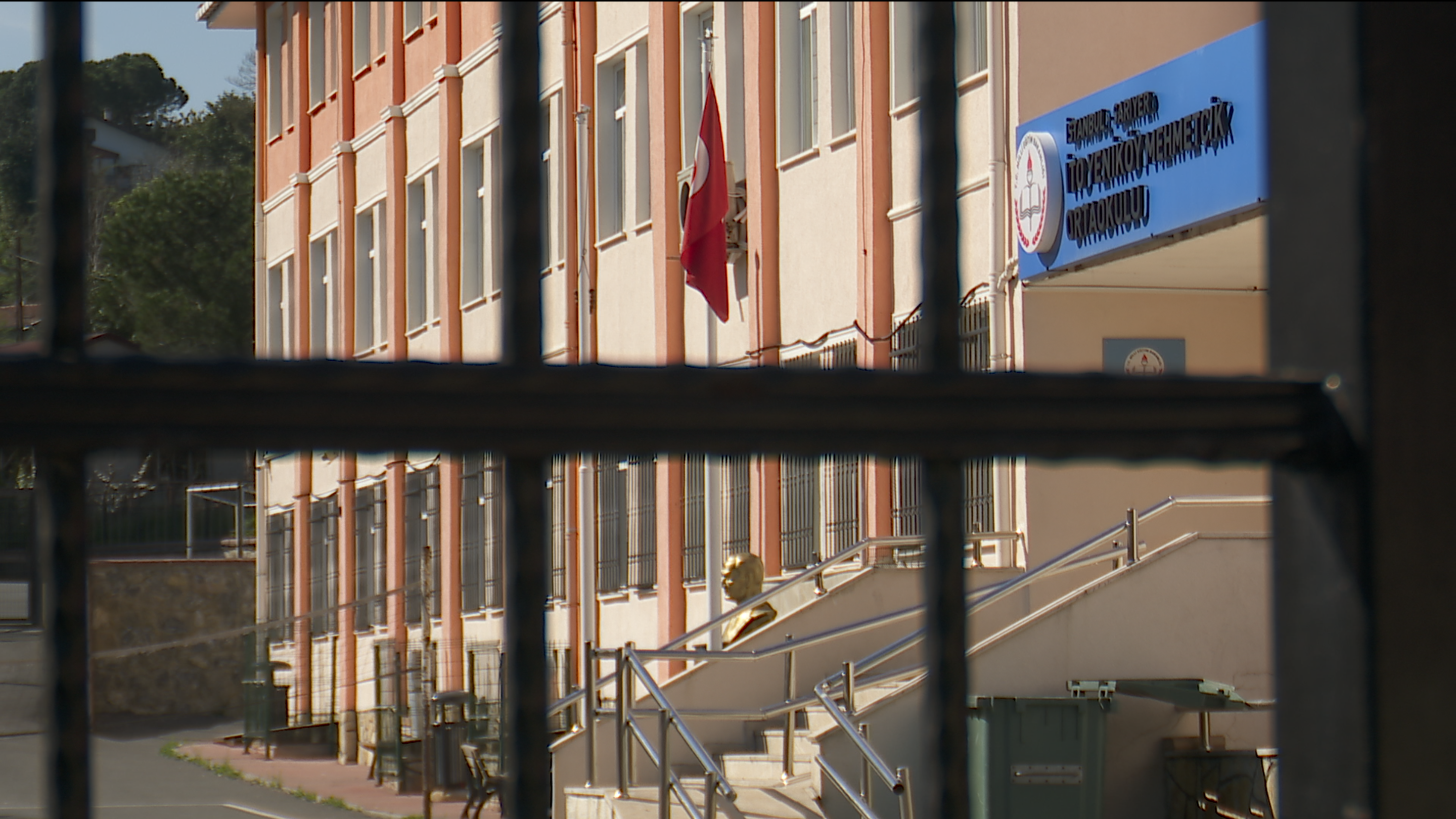
As of April 19, Turkey's coronavirus cases have surpassed 86,000. The government has been taking several measures aiming to contain the spread of the virus. In mid-March, as one of those precautions, like many other countries, Turkey shut down its schools and universities. Shortly after, the education ministry announced schools would shift to online education for students not to fall too far behind in the studies. Many in the field of education were caught unprepared and found themselves facing different challenges.
I am one of them. Aside from reporting for CGTN, as a dance movement therapist and psychologist, I also teach an elective course at the Bogazici (Bosphorus) University in Istanbul. I teach the basics of body language and the use of movement for the personal development of individuals or groups.
For some teachers, the difficulties were related to their basic needs for class, such as a high-speed internet connection, a private space to carry out live classes, or even a decent computer. Others scrambled to prepare material for their students, while for some, online video conference applications took some getting used to.
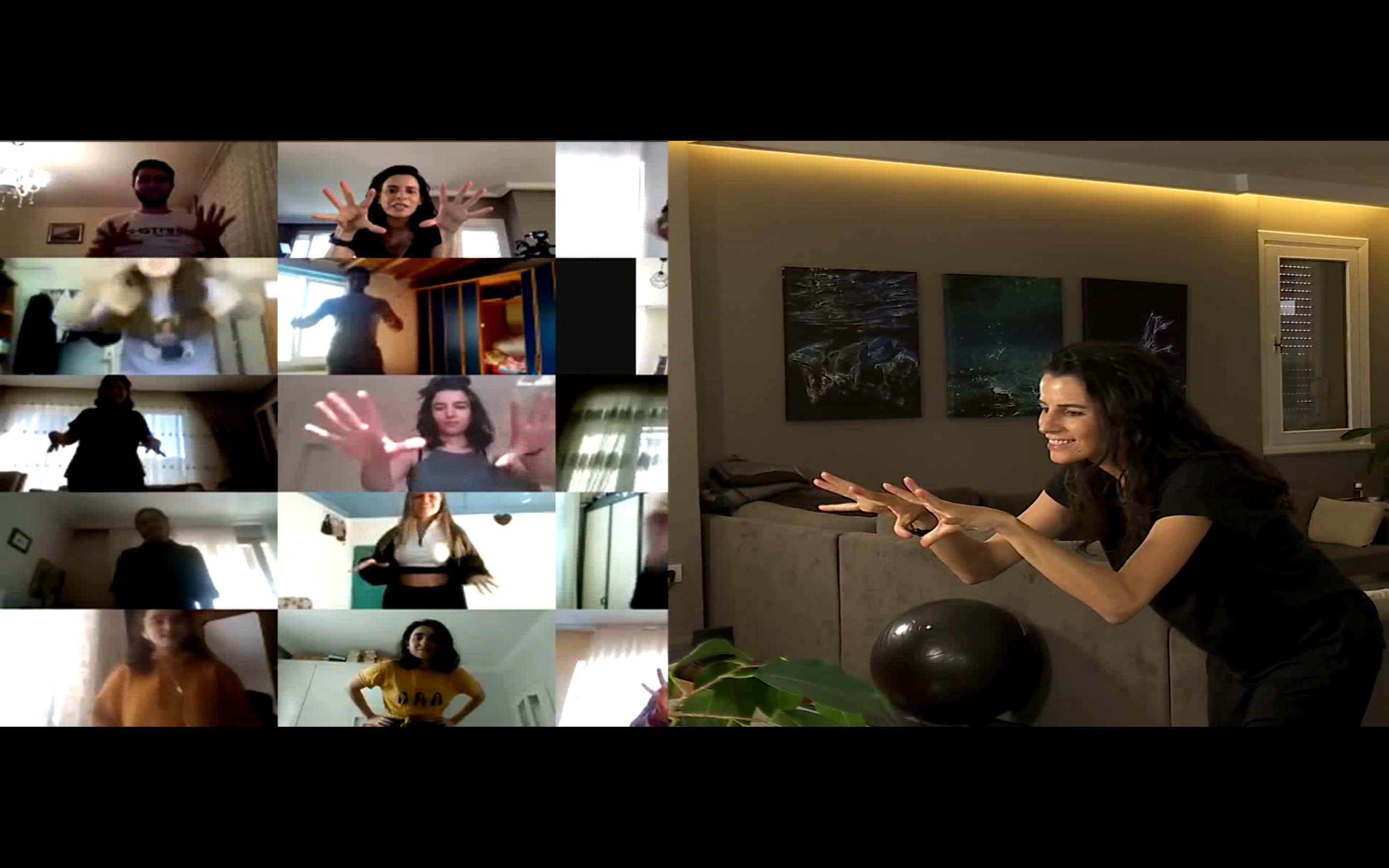
Michal delivers an online class. /CGTN
For me, the challenges were different because of the format of my course. As it focuses on the use of the body, it has an experiential format that requires a spacious room where students can move freely, dance and interact with each other. Now, I have to teach this course online – in my living room. Being in different locations is completely against the nature of the course content. For example, usually during this time in the semester, I would be explaining the theme of attunement which focuses on empathy and connecting to each other through mirroring exercises. So, it requires pair work and eye contact; almost impossible to do online.
It's also very challenging to create cohesive group dynamics online. Normally, when people move in synchrony, it brings the group's energy together… it enhances trust, and deepens the connections of the participants. I'm trying to adapt some of these concepts to the online education format – but it's very difficult. To increase bonding among students, each class usually starts with a sharing circle in my class. Each student is expected to talk briefly but with over 30 students, this can take up to 45 minutes. When in the classroom, students listen to each other with care and it's important to see the person's body language and relate to that person.
During online classes, I still try to do the same thing, and all of my students still listen, but I can tell it's much harder for them to concentrate as they stare at a computer screen and definitely find it more difficult to feel the connection. And of course, there's the lack of touch – sometimes a small physical touch, whether it's briefly holding hands, or creating human statues together – can be a vital part of human connection. Without it, I believe we are missing a huge dimension of what it means to work with the body and movement during group work.
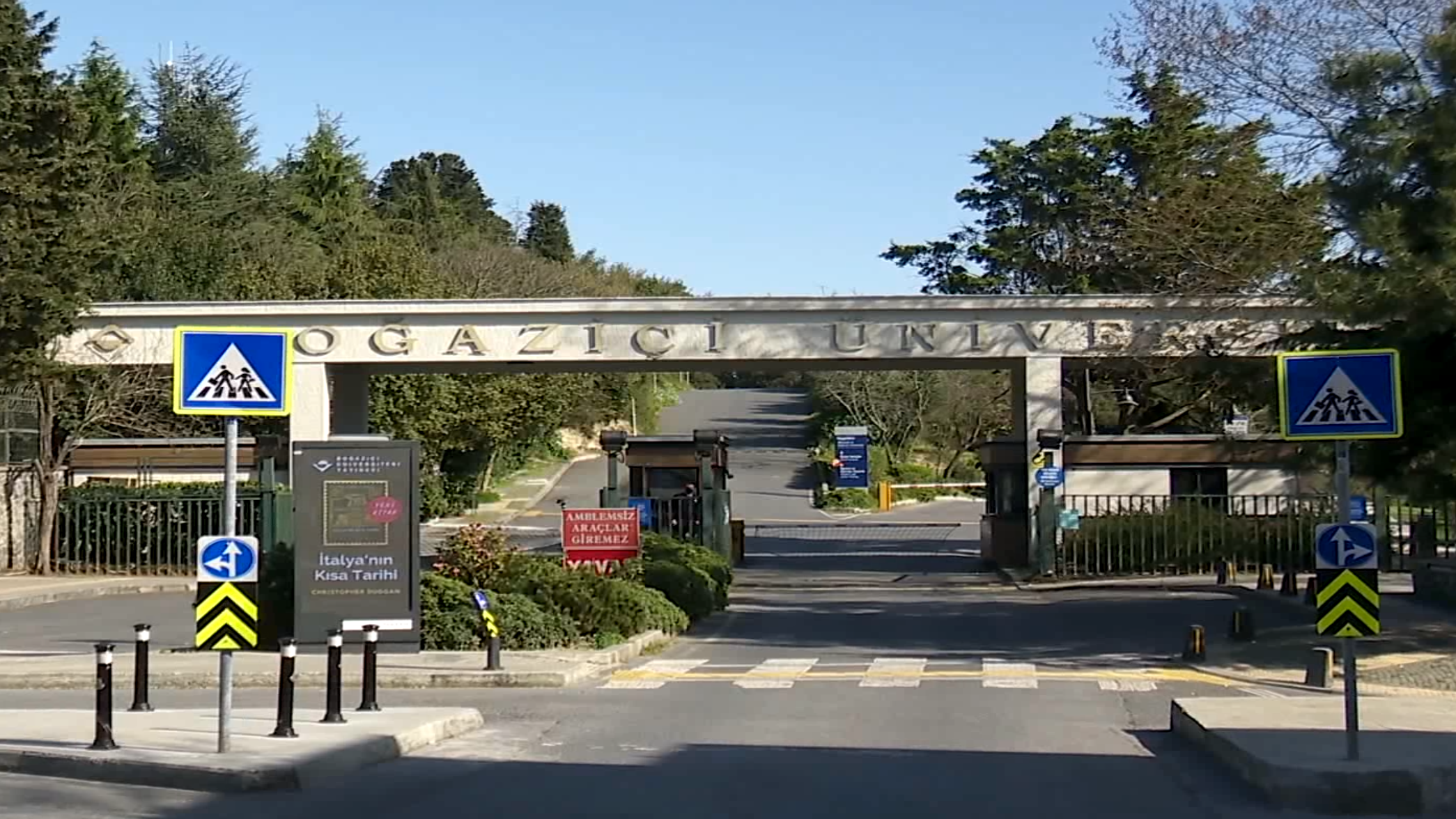
Bogazici University entrance. /CGTN
From the students' perspective, there are different challenges. One of the main issues for students too is access to the internet. Many of my students who stay at the dormitories traveled back to their hometowns when the university shut down in March. At home, their access to internet is not always efficient. One student, Nilufer Comak, says she is currently staying at home with her siblings who are also joining online classes, she complains that when they try to "access the internet at the same time, we get disconnected often." But Nilufer also adds that despite the difficulties, she has benefited from continuing education during the COVID-19 pandemic. "Without these online courses, especially this one, it would have been really hard to stay in quarantine, it would have been more depressive," she says.
Online courses keep us occupied and make us feel useful. I too am grateful that we are still able to continue our course program on an online platform despite the challenges, especially during the crisis. I am fully aware that my students will miss out on experiencing many aspects of the course because we are physically away from each other, but we are sharing an extremely unique journey, during a very difficult time. So I believe online education is nevertheless a blessing, which has given educators and students a way to stay connected, support each other and keep our focus during one of the biggest health crises of our time.
(Top image: The entrance of a closed school in Istanbul. /CGTN)