- Home
- China
- World
- Europe
- Politics
- Business
- Opinions
- Tech & Sci
- Culture
- Sports
- Travel
- Nature
- Picture
- Video
- Live
- TV
- Specials


Share







Copied
Two weeks have passed since Wuhan, the city that first reported COVID-19 cases, lifted its outbound traffic restrictions. The central Chinese city has reported no new COVID-19 cases in 18 consecutive days – a great success marking its first days after leaving its lockdown.
In the past two weeks, Wuhan's breakfast stands have reopened, subways are once again filled with people, and traffic jams have returned. But for many, the impact of COVID-19 lingers, and it's likely to be a while before life fully returns to normal.
Returning to classrooms
Twenty-five-year-old Ai Hongjun is a Wuhan student pursuing a law degree in Melbourne. She returned home last November during school break, not knowing she wouldn't be able to return to her studies, even after flights in Wuhan restarted.
"In early March when my semester started, I was among the few students taking online courses because I wasn't able to leave Wuhan. However, just a few weeks later, the whole class is taking online courses as Australia went under lockdown," Ai told CGTN Digital.
Ai is closely following the news on the spread of coronavirus in Australia, and now she is a little worried not being able to go back to school in July, the semester which she plans to graduate. "There are some classes you just cannot finish online," she said.
Self-quarantines
Yan Lei teaches the ninth grade at a Wuhan middle school. The 50-year-old teacher has continued to stayed home, even though she can leave the neighborhood using her "green pass," an electronic code for those who are not at high risk of being infected.
"I continued to teach classes online, so I don't have to go out to work like many others," said Yan. "I tried to stay indoors before school starts because it is not a good time to celebrate."
Schools in Wuhan remained closed as of today. The education administration of Hubei said faculty in Wuhan should take nucleic acid testing before going back to their posts so as to avoid infections when schools reopen. Until that happens, all classes continue to be taught online.
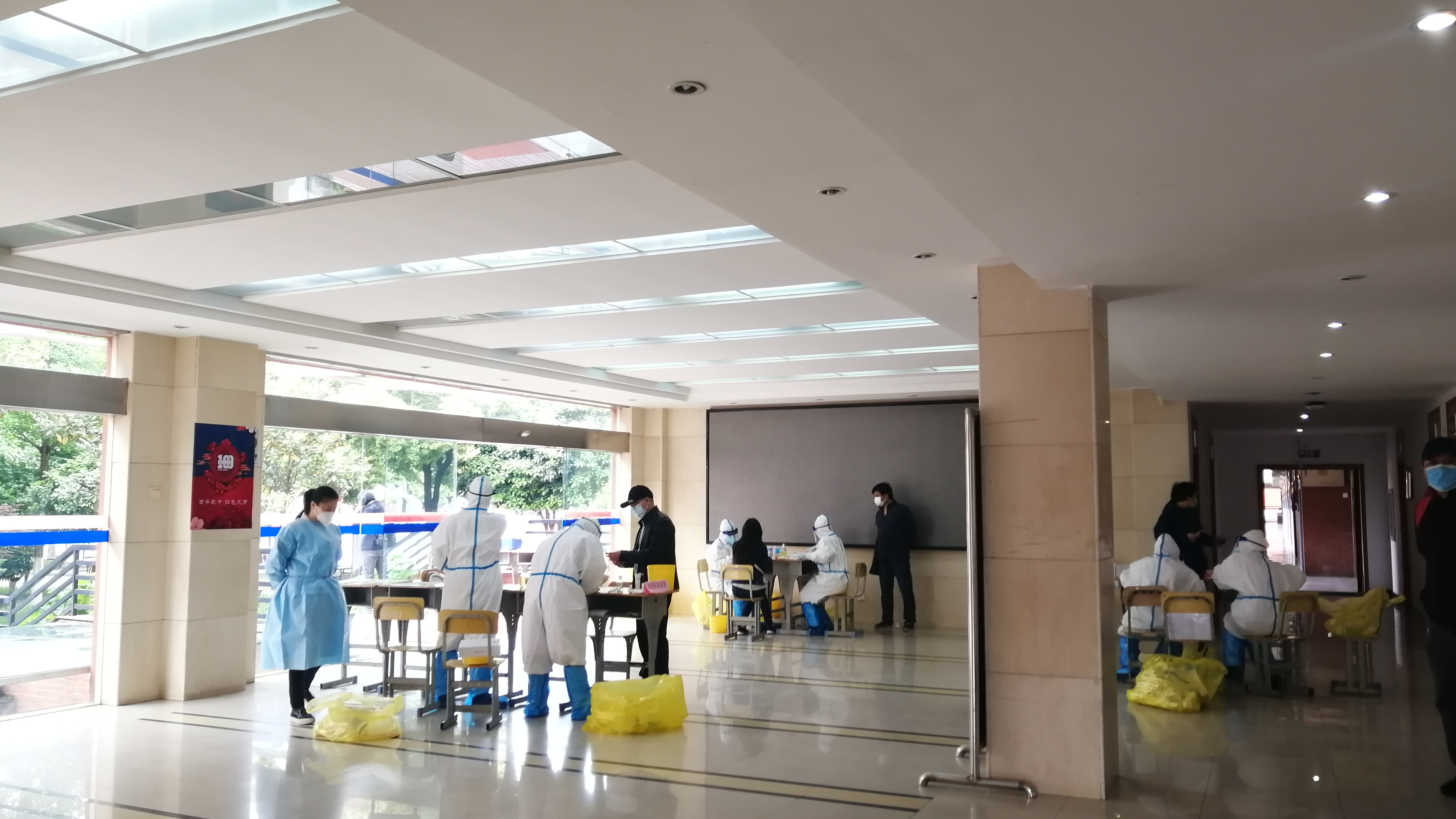
Teachers taking nucleic acid testing in a school building, April 21, 2020. /CGTN
Yan's lifestyle during quarantine has continued even after the lockdown. She's ordering food and supplies online and taking the stairs instead of the elevator. However, she remains positive, "Staying at home at this stage benefits myself and also the city."
Returning to Wuhan
One day before April 8, when many lined up to leave Wuhan, Li Jingzhi's family started off a journey to come back to the city. They were driving from the city of Shaoyang in central China, her parent's home where they arrived weeks before Spring Festival and were stuck there after Wuhan was locked down.
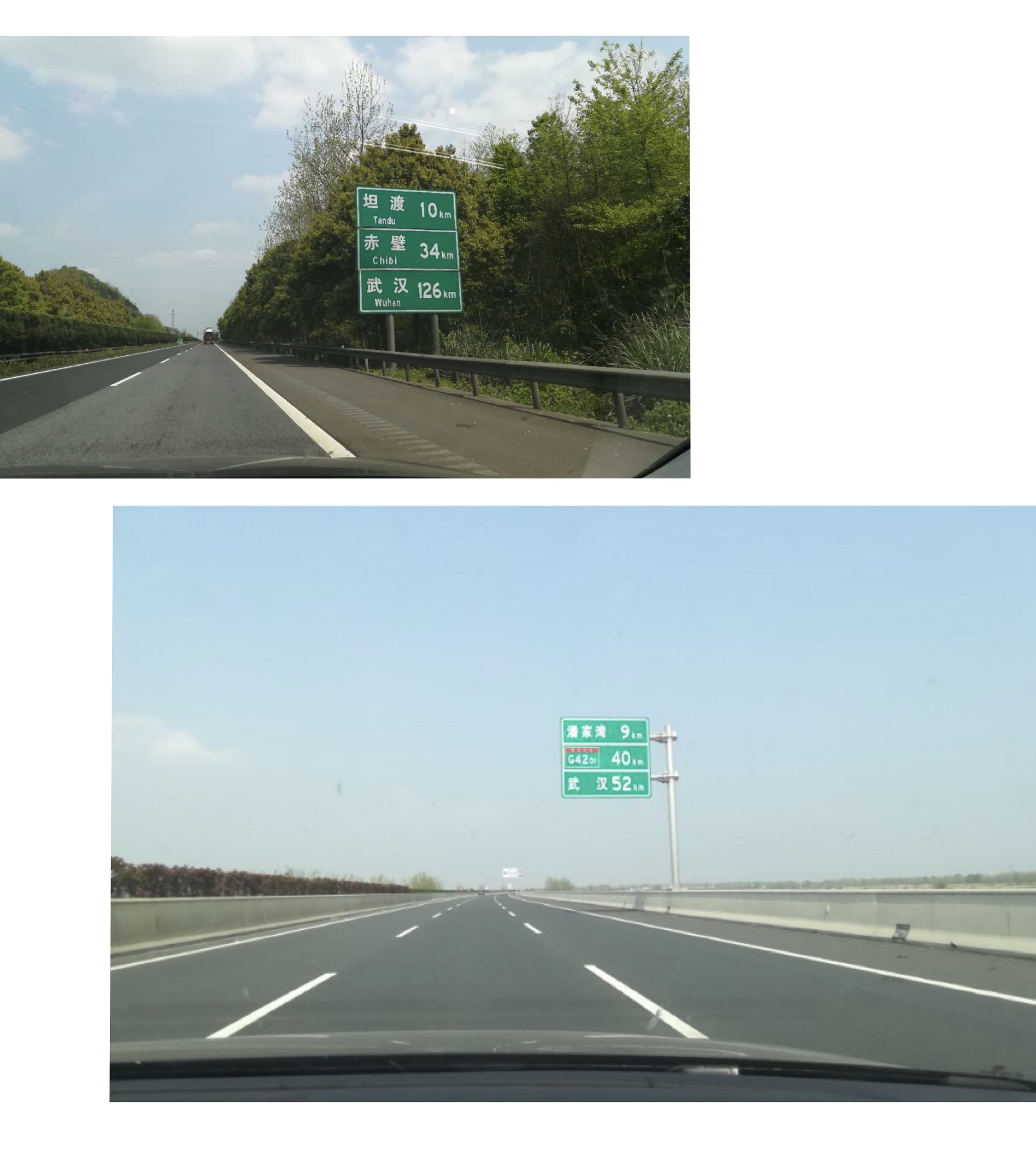
Li Jingzhi and her family on the way back to Wuhan, April 7, 2020. /CGTN
"It usually takes 12 hours or more to drive back, but on that date it only took us 7-8 hours, because there were no cars, let alone traffic jams. We were like the only ones on the road back to Wuhan," said Li.
Li and her parents were quarantined at their home in Shaoyang for over two months; their relatives would bring food and supplies to their doors to help the three, who were from the former epicenter of the epidemic.
She and her family had to quarantine for another 14 days after arriving in Wuhan; today marks the end of their quarantine. Li told us how tired she was after driving and unpacking all their stuff, but she added, "At least we are finally home.”