- Home
- China
- World
- Europe
- Politics
- Business
- Opinions
- Tech & Sci
- Culture
- Sports
- Travel
- Nature
- Picture
- Video
- Live
- TV
- Specials


Share







Copied
COVID-19 was likely to be spreading in multiple U.S. cities "far earlier" than Americans knew, said a recent report of The New York Times, citing a new research by Northeastern University.
By the time New York City confirmed its first case of the coronavirus on March 1, more than 10,000 New Yorkers may have contracted the disease, according to the study.
Thousands of infections were already silently spreading through cities like Boston, San Francisco, Chicago and Seattle. The model estimates that about 28,000 people have already infected the novel coronavirus in these five cities before being diagnosed.
The report said U.S. official were wrestling with policies like whether the outbreak was serious enough to close schools or issue social distancing orders at that time, criticizing states officials acted slowly.
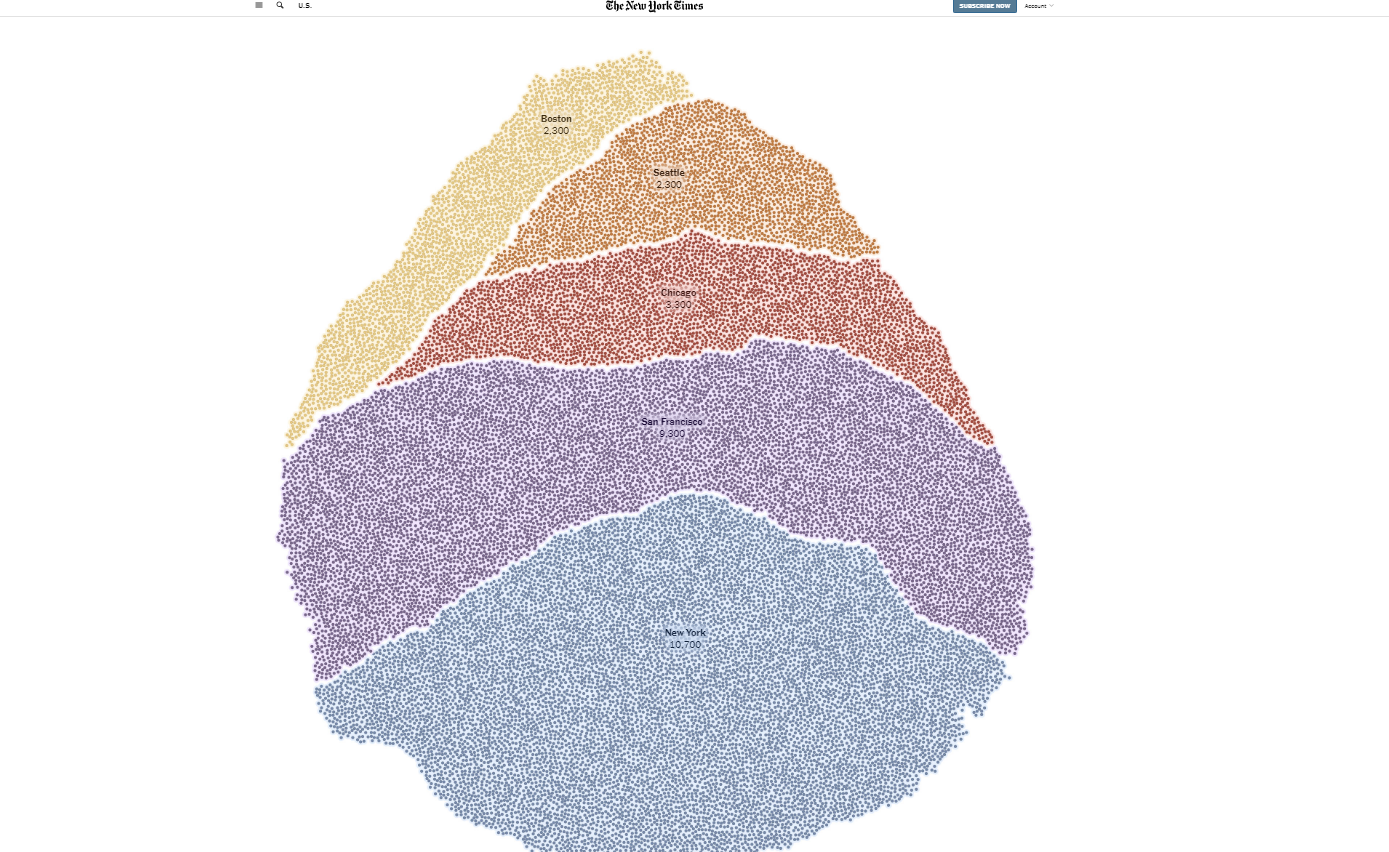
The amount of infected people in Boston, San Francisco, Chicago, Seattle, and the New York City estimated by the model /Screenshot from The New York Time
New York Governor Andrew Cuomo on Friday pointed that Trump ordered a ban on travel from China on February 2, more than a month after news reports had emerged about an outbreak in the city of Wuhan, and decided to restrict travel from Europe the following month. By that time, the virus had spread widely in the United States, he said.
"We closed the front door with the China travel ban, which was right," Cuomo told a briefing. "But we left the back door open because the virus had left China by the time we did the China travel ban."
He also cited the research, claiming that strains of the novel coronavirus entered his state from Europe, not China. He said he believed Italy was the likely source.
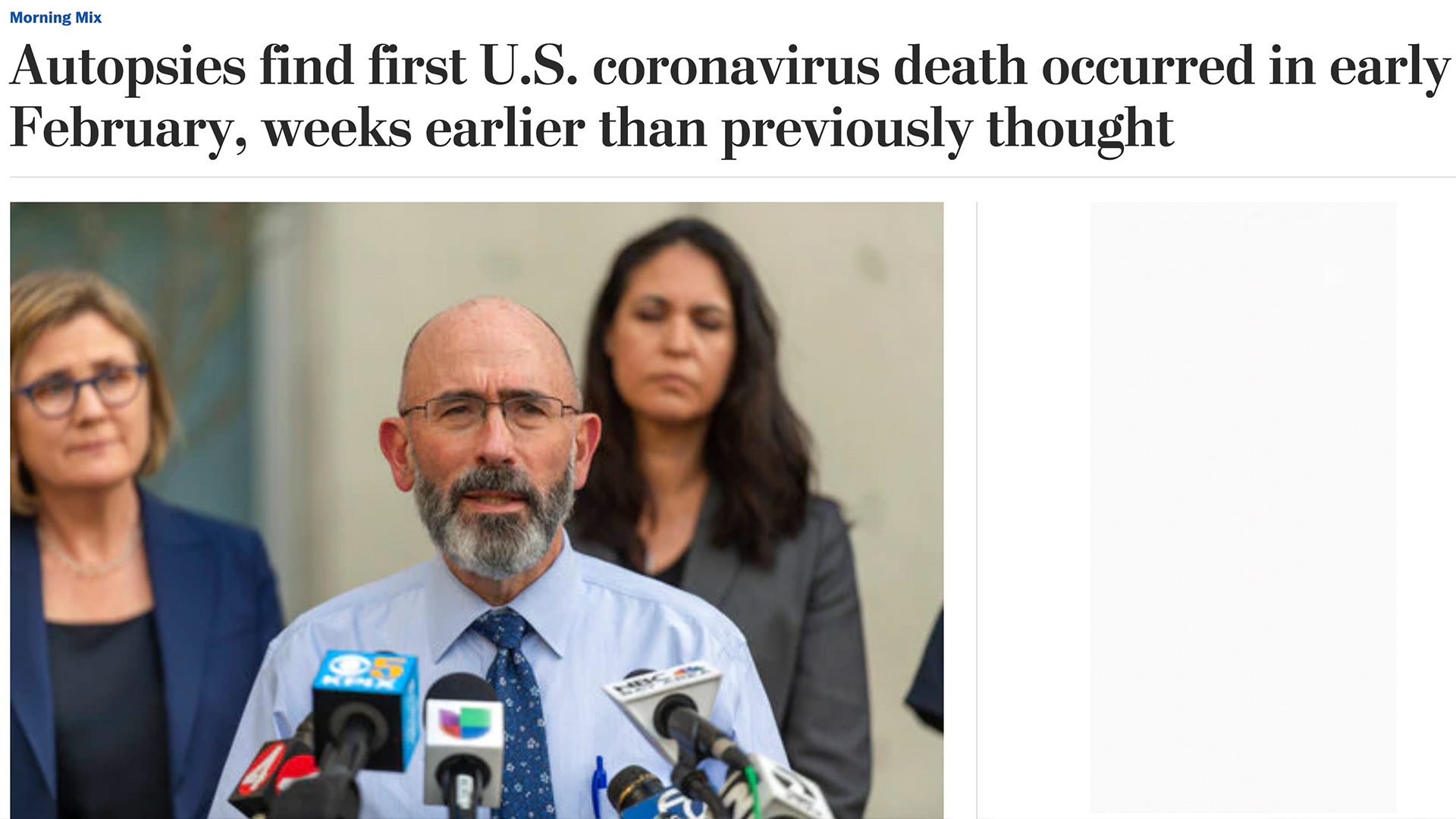
In addition, the first death, a 57-year-old woman who died on February 6 in Santa Clara County, California, raised more doubts over the virus circulation starting time.
The county had previously identified its first case of community transmission - infectious spread among people who had not been to China or other early hot spots - on February 28, as well as two other early cases - a 69-year-old man who died February 17 and a 70-year-old man who died on March 6.
"What these deaths tell us is that we had community transmission probably to a significant degree, far earlier than we had known, and that indicates that the virus was probably introduced and circulating in our community far earlier than we had known," Sara Cody, the health officer in Santa Clara County, California, said.
She explained COVID-19 may start circulating in her state back in January, but the early deaths were likely mistaken for the flu.
"Because the region was undergoing a bad flu season at the time, many cases may have been misclassified as influenza," she said. The cases were likely "iceberg tips," indicating that many more people were also infected.
(With input from Reuters)