- Home
- China
- World
- Europe
- Politics
- Business
- Opinions
- Tech & Sci
- Culture
- Sports
- Travel
- Nature
- Picture
- Video
- Live
- TV
- Specials


Share







Copied
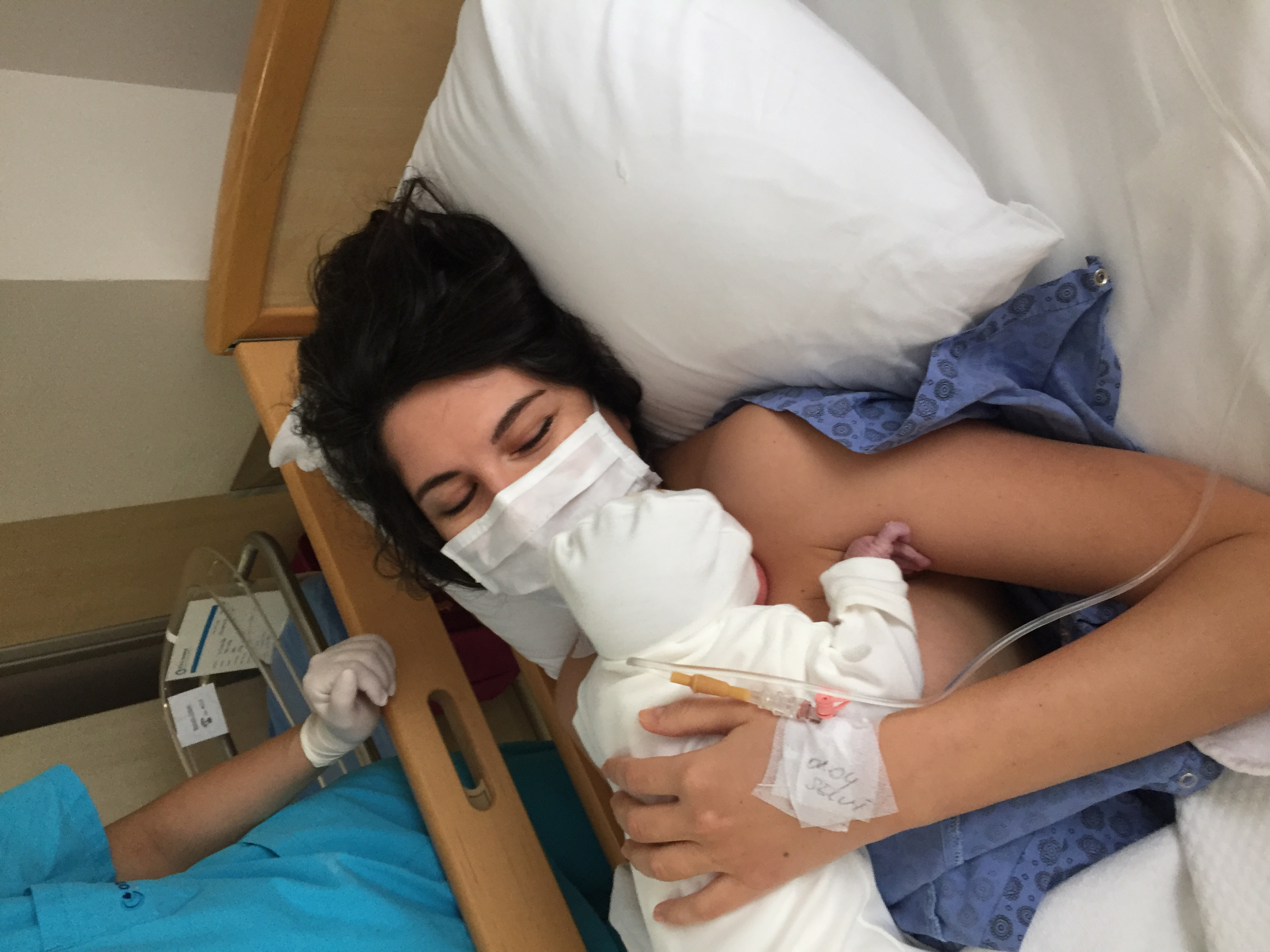
Gunes Polat holds her newborn baby amid coronavirus outbreak continues in Turkey. /CGTN
For many of us around the globe, our worlds have been turned upside down due to COVID-19. Life as it has changed, most people have to shift plans for 2020.
The virus has had a negative impact on millions, as it has in Turkey where the number of confirmed cases has almost reached 130,000. But one group in particular – is unable to change their so called "life plans" accordingly – expecting parents who are now facing many challenges because of the pandemic.
In Turkey there are no specific hospitals designated just for COVID-19 patients. So state, university and private hospitals have all been requested to accept COVID-19 patients by the government. Though hospitals have separated units and assigned COVID-19 sections, for people visiting the hospital for other reasons, the risk of coronavirus spread in hospitals has created a concern. Officials have urged citizens to postpone any unnecessary hospital visits.
But for expecting mothers – that is not an option.
At five months pregnant, Filiz Karakus and her husband Erhan are excitedly expecting their second child. But she says that pregnancy during the pandemic has been stressful and that every doctor's visit at the hospital has been worrying.

Haluk Polat, husband of Gunes Polat, is with his baby amid the coronavirus outbreak continues in Turkey. /CGTN
Filiz explains that even though her hospital had not been requested to accept COVID-19 patients, she was still worried someone who was infected yet asymptomatic might have visited the premises.
Another major issue for Filiz has been related to one of the measures the Turkish government has imposed in hopes of containing the virus. Those over the age of 65 have been under a nationwide curfew, for Filiz that meant being away from her parents during her pregnancy. She's been talking to them on video-calling applications during the lockdown, but says that once the baby arrives – she will really need their support.
"I'm due at the end of September, my only wish is for this situation to be under control by then, I need my parents' support to take care of the baby and to take my daughter to school" says Filiz.
And once the "bid day" arrives, parents are confronted with a whole new series of difficulties. Hospitals in Turkey have added new policies due to the pandemic for birth procedures. Though the situation is fluid – and rules have been changing – currently, there are limits to the number of people allowed to visit the expecting mother, which basically means, no relatives and no friends.
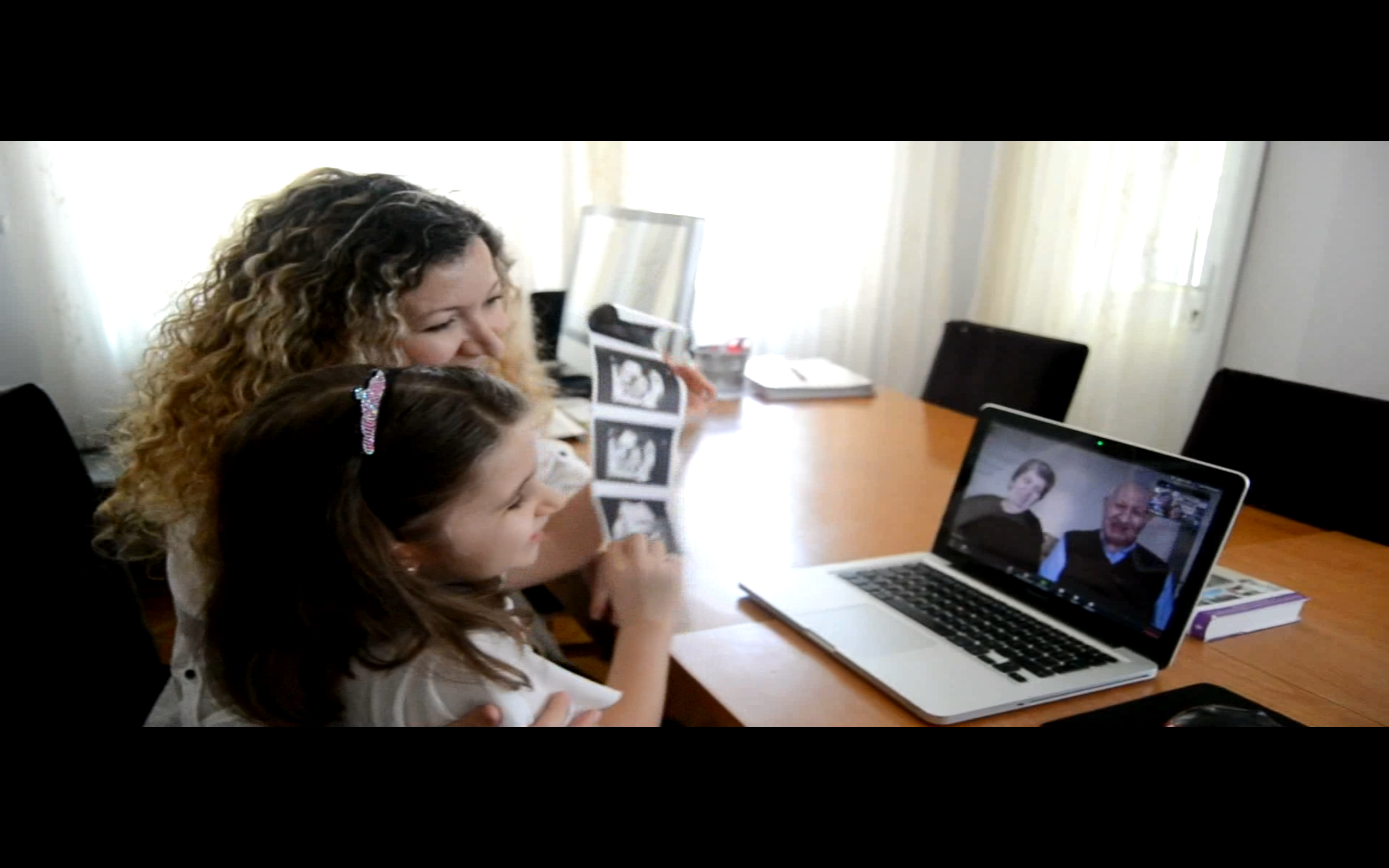
Filiz Karakus and her daughter Ece show the ultrasound photo to Filiz's parents in Turkey. /CGTN
But a more chilling policy has been implemented in Turkey as well. Gunes Polat who gave birth in mid-March, was notified just minutes before her cesarean delivery that her husband would not be allowed to enter the surgery room.
"I couldn't help feeling lonely in there, I was on my own, lying on the bed, so many people performing procedures, I was awake the whole time." Gunes described her experience, "I wish he could have been with me, that's how we'd always planned it to be, they told me he couldn't enter because of precautionary measures."
The moment her baby arrived was also different than what might have been under normal circumstances. Gunes was wearing a face mask for protection and says it was a struggle not to be able to kiss her newborn the moment he was born.
Nevertheless, the couple believe there's a silver lining to the pandemic. The Turkish government shut down schools and universities in mid-March. Gunes's husband Haluk, an instructor at a university, has been home with his wife and baby since the day the child was born, which allowed him to "witness the first hours and the whole process of our baby with his mother since then." Haluk says he "became part of it, in that sense, I believe it has been an advantage."
The Turkish government will begin easing measures in mid-May, and hopes to see some normalization by June. That will likely bring some relief to expecting parents, especially if fathers are once again allowed to witness the birth of their babies.