- Home
- China
- World
- Europe
- Politics
- Business
- Opinions
- Tech & Sci
- Culture
- Sports
- Travel
- Nature
- Picture
- Video
- Live
- TV
- Specials


Share







Copied
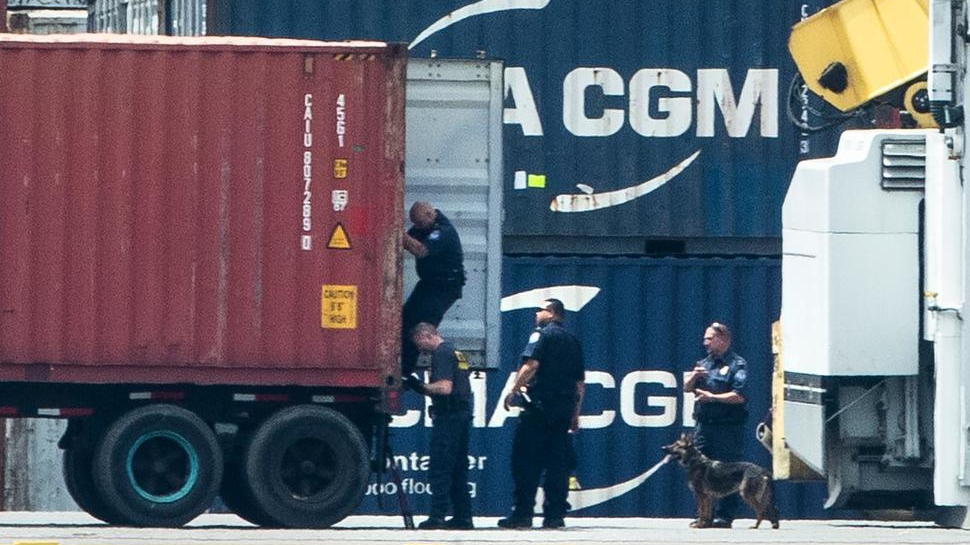
Authorities search a container along the Delaware River in Philadelphia, Tuesday, June 18, 2019. U.S. authorities have seized more than $1 billion worth of cocaine from a ship at a Philadelphia port, calling it one of the largest drug busts in American history. / AP Photo
The coronavirus pandemic led governments to make drastic decisions when it came to land, air, sea movements in an attempt to curb the virus. These restrictions are disrupting every market and drugs are no exception, as a recent report from the UN Office on Drugs and Crime (UNODC) shows.
Travel and movement restrictions might affect drug production directly, for example, by reducing the workforce available for harvest; or indirectly by disrupting the supply chain of precursor chemicals, which are often diverted from licit markets.
UNODC considers the economic downturn caused by the pandemic "has the potential to lead to a lasting transformation of the drug markets." For one, people in a position of socioeconomic disadvantage might be more affected, leading to "an increase in the number of people resorting to illicit activities linked to drugs to make a living (production, transport, etc.) and/or being recruited into drug trafficking organizations."
The office also noted that based on the economic crisis of 2008, this downturn "may lead to reductions in drug-related budgets among Member States, an overall increase in drug use, with a shift towards cheaper drugs," and a move to injecting and more harmful substances owing to a greater frequency of injections.
Production issues
COVID-19 restrictions are affecting drug markets right at the root. In the case of illicit opiates, more than 95 percent originates in three countries: Afghanistan (82 percent), Mexico (eight percent), and Myanmar (seven percent), and in all of them production and harvest is a labor-intensive activity.
In Afghanistan where harvest period is in full swing between March and June, UNODC points to production problems related to a shortage of poppy lancers, due to the closure of a border crossing with Pakistan.
When it comes to cocaine, the UN report indicates that a "shortage of petrol or gasoline in Colombia is impeding production."
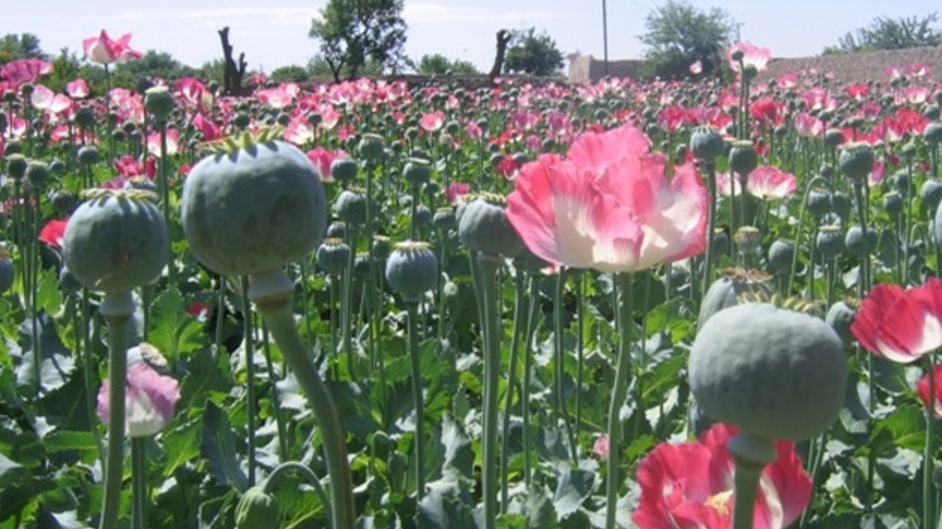
Poppy fields in Afghanistan. / UNODC Photo
Transport links down, routes reshaped
UNODC states that "given the almost universal restrictions imposed on air traffic, the supply of drugs by air may be completely disrupted." Traffic of synthetic drugs, like methamphetamine, to countries in South-East Asia might see a greater impact, as well as cocaine trafficking that relied on commercial flights.
Cocaine, on the other hand, is mostly trafficked by sea, and continues to be detected in European ports during the pandemic, the UN press release says. Reports from Colombia indicate an increase in maritime drug trafficking and a decrease in land trafficking.
Meanwhile opiate seizures in the Indian Ocean indicate the lucrative heroin business is being affected and, at the same time, there is an increased use in maritime routes to Europe.
"If confirmed, the shift to the southern route would indicate a change in the strategy of drug trafficking organizations as a result of the COVID-19 measures," the report says.
Prices up
These disruptions are leading to "a decreased in the availability of drugs at the street level, with reduced street purity and higher prices (e.g., Czechia, Italy, the Islamic Republic of Iran, and the UK)."
In Mexico, methamphetamine prices more than doubled between January 2020 and March 2020, while others even speak of a sixfold increase in recent months, as imports of chemicals from East Asia have come to a halt.
The U.S. reports shortages of cocaine on the street. Brazil points to sharp increases in wholesale cocaine prices due to a lack of product trafficked from Colombia or Peru and a drop in the European demand, due to confinement measures as the drug is often consumed in recreational settings, such as bars and clubs.
In Belgium, authorities have reported an increase in cannabis herb prices pointing to an increase in demand given that cannabis herb is mostly produced domestically.
Deadly substitutes
UNODC warns that even though there might be an overall reduction in consumption, heavy users might look for "substitutes, which are often more harmful."
In Czechia there is concern about a "potential increase in the use of fentanyl, harmful domestically produced illicit substances and of alcohol in combination with benzodiazepines."
The same worries regarding fentanyl and other synthetic alternatives used by heroin users has been reported in the UK, Italy, and the U.S.
An increase in the use of pharmaceutical products such as benzodiazepines and buprenorphine has also been verified, with some prices doubling. The report also warns to the use of home-produced injectable opioids such as "krokodil," which is a more harmful alternative to heroin.
Mobility restrictions can also disrupt access to drug treatment services, clean drug-using equipment and vital medications. The UN office alerts that lack of access to treatment and safe practices may increase the risk of an aggravated drug use disorder and prompt users to inject drugs. This carries additional risks such as the spread of blood-borne diseases (HIV/AIDS, hepatitis C), while sharing injecting equipment and other paraphernalia, like vaping devices, can also help spread the coronavirus.
"The risk of drug overdose may also increase among those injecting drugs and who are infected with COVID-19," according to UNODC.