- Home
- China
- World
- Europe
- Politics
- Business
- Opinions
- Tech & Sci
- Culture
- Sports
- Travel
- Nature
- Picture
- Video
- Live
- TV
- Specials


Share







Copied
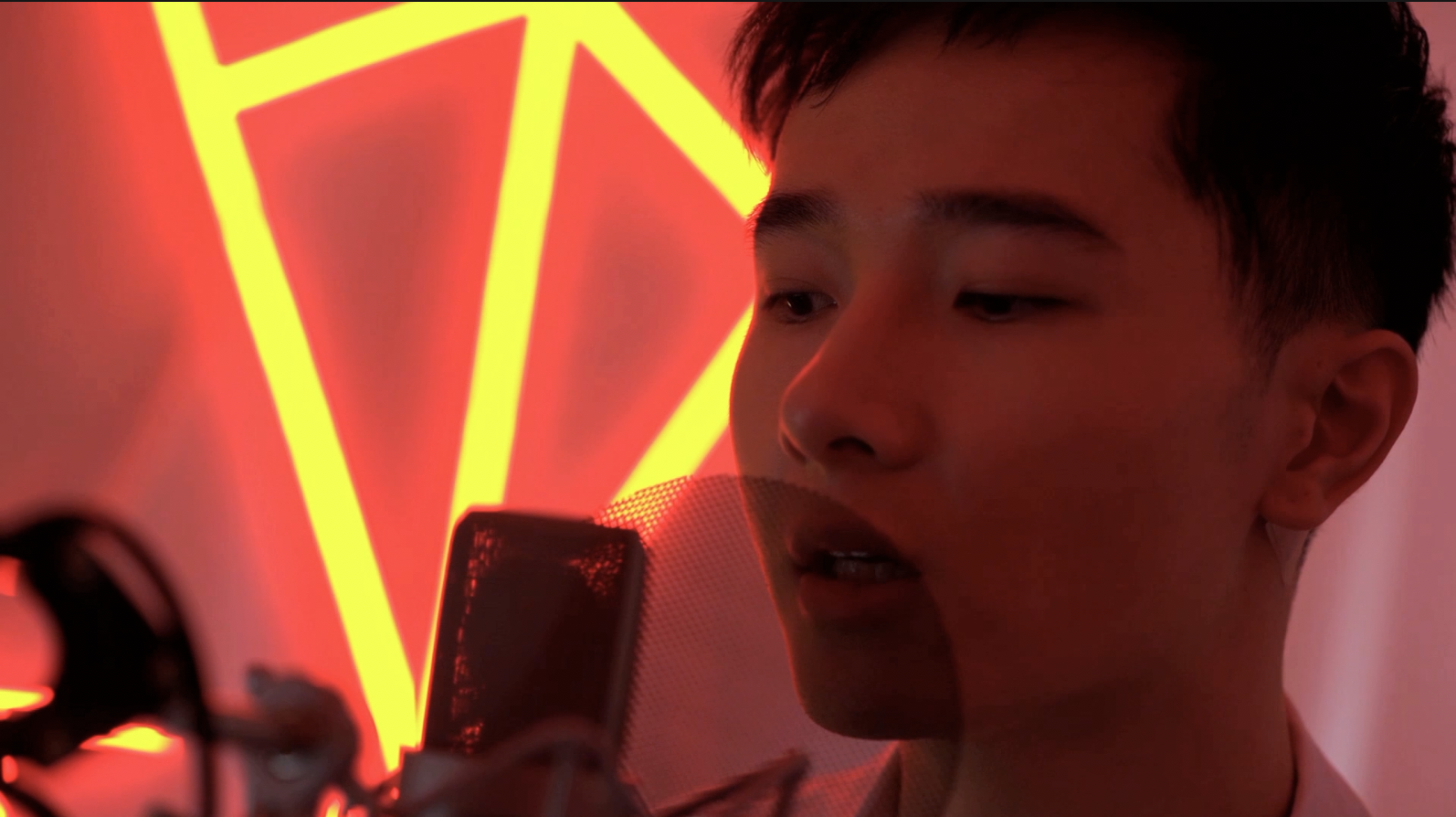
For 26-year-old singer/songwriter Deng Jiakun, the first few months of 2020 were fully planned. However, filming a variety of web series, the release of his debut album, and the subsequent press tour have all been put on hold due to COVID-19.
The worldwide music and entertainment industry has been hard-hit by the coronavirus. With concert venues closing indefinitely to stop the spread of the virus, artists have turned to the internet to keep in touch with their fans, while their managers and promoters have been left to worry about the lockdown's devastating financial impact.
In China, the enforced cancellation of live shows has robbed the music industry of over half its income. As the first country to be hit by COVID-19, China began shutting down its live performance venues in mid-January. Many are still closed, almost six months on. It's estimated that nearly 8,000 shows across the country were canceled in March alone, contributing to an estimated two billion yuan (280 million U.S. dollars) loss in direct ticket sales in the first quarter.
iMe Entertainment is one of the leading concert promotion and management companies in Asia. Among the company's pop star clients are big names including Katy Perry, BTS, and Jeff Chang. However, the COVID-19 outbreak forced iMe to postpone or cancel all its concerts scheduled from February this year.
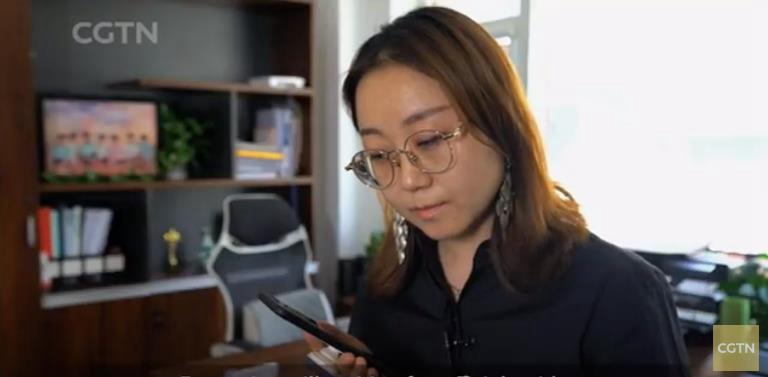
Zhai Min, senior manager at iMe Entertainment, at work. /CGTN
"As a show promoter, we've been badly affected," said Zhai Min, one of the company's senior managers. "It's not only us; the whole industry is having a hard time right now. Almost everything is on hold, without cash flow. We still have expenses, but no revenue. We're living on our savings."
Even as venues tentatively work towards reopening, there are a number of considerations holding things back. Lingering health concerns and a lack of disposable income due to job losses are making people less likely to spend money on culture, art, and music. But that's not the only obstacle. Prevention and control measures mean that venues will only be able to run at 30-50 percent capacity, and will have to carry out special safety checks for each show.
"If we relaunch now, our expenses are 100 percent - even more than that. The cost of PPE for the whole venue is not cheap. Adding the occupancy restrictions, we will lose money," said Zhai.
Many remain hopeful, however, using the time in lockdown to explore new avenues.
"My outlook changed, and I realized it could become a time to study something," Deng said. Over the last few weeks, Deng has filmed a number of music videos in Beijing and has recorded several cover songs for his fans to enjoy online. Now, he is optimistic that the situation will soon be back to normal.
"I think things are getting better," he said. "The fact is, we're not alone. The entire world is in this war against the coronavirus together. I hope we can beat it soon."