- Home
- China
- World
- Europe
- Politics
- Business
- Opinions
- Tech & Sci
- Culture
- Sports
- Travel
- Nature
- Picture
- Video
- Live
- TV
- Specials


Share






Copied
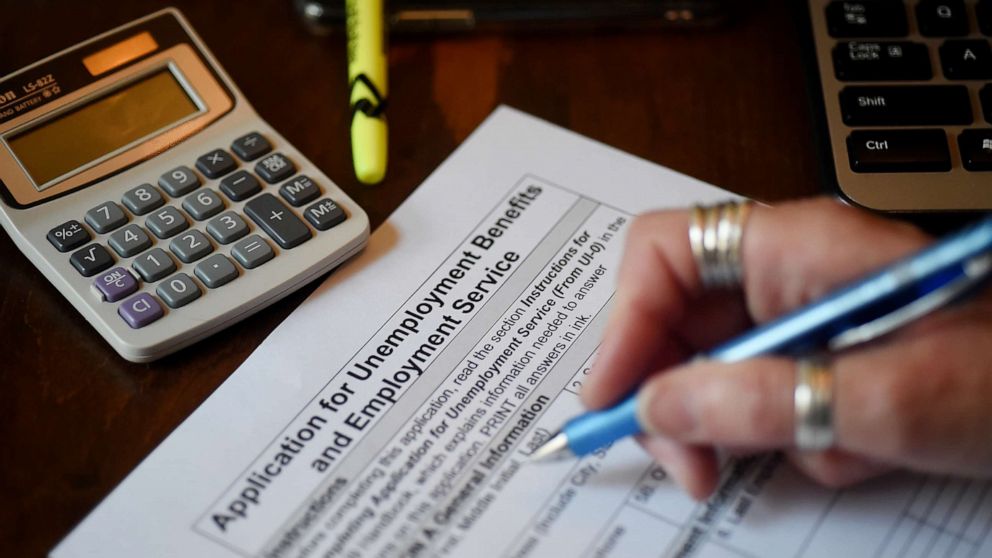
People file application for unemployment benefits. /AFP
U.S. President Donald Trump is considering suspending a number of work visas including, H-1B, which is in high demand among Indian IT professionals, in view of rising unemployment due to the COVID-19 pandemic.
The suspension could extend into the government's new fiscal year beginning October 1 this year, when many new visas are issued, according to the Wall Street Journal. The proposed suspension will restrict new visa holders outside of the U.S. from coming back to the country to work until the restriction is revoked.
Existing work visa holders in the country are unlikely to be affected.
In addition to the H-1B visa, other kinds of visa like the H-2B visa for short-term seasonal workers, J-1 visa for short-term worker and the L-1 visa for company internal transfers will also be affected by the suspension.
The Trump administration has not decided whether to push this suspension forward. The proposal has been seen as a response to rising unemployment numbers domestically. The administration is currently evaluating a wide range of options from career experts, to protect American workers and job seekers especially disadvantaged and also underserved citizens, White House spokesman Hogan Gidley said in a statement.
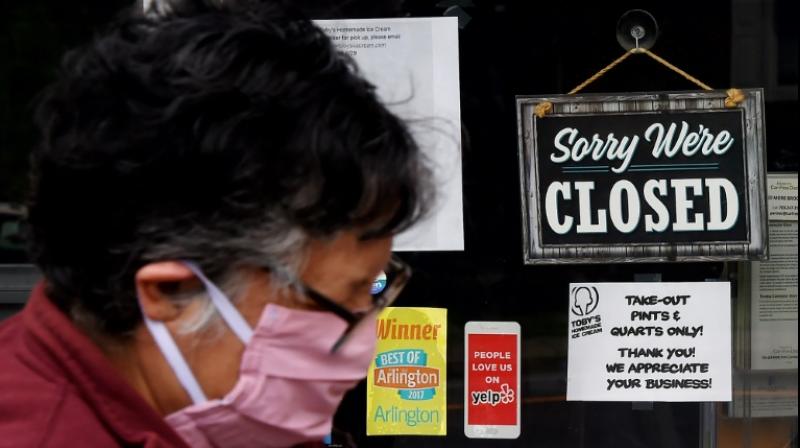
About 1.5 million laid-off workers applied for U.S. unemployment benefits last week. /AFP
Rising unemployment
Last week, about 1.5 million laid-off workers applied for U.S. unemployment benefits – a sign that many Americans are still losing their jobs even as the economy appears to be slowly recovering with more businesses partially reopening.
While latest figure from the Labor Department marked the 10th straight weekly decline in applications for jobless aid since they peaked in mid-March when the coronavirus hit hard, the pace of layoffs remains historically high in the country.
Though the unemployment rate unexpectedly declined from 14.7 percent, it is still a high 13.3 percent. And even with the May hiring gain, just one in nine jobs that were lost in March and April have returned. Nearly 21 million people are officially classified as unemployed.
The number of workers who are self-employed or are part of the gig economy applying for jobless benefits is also increasing. In some instances, layoffs in big tech employers like Lyft, LendingClub, and Yelp, were part of their wider job cuts worldwide.
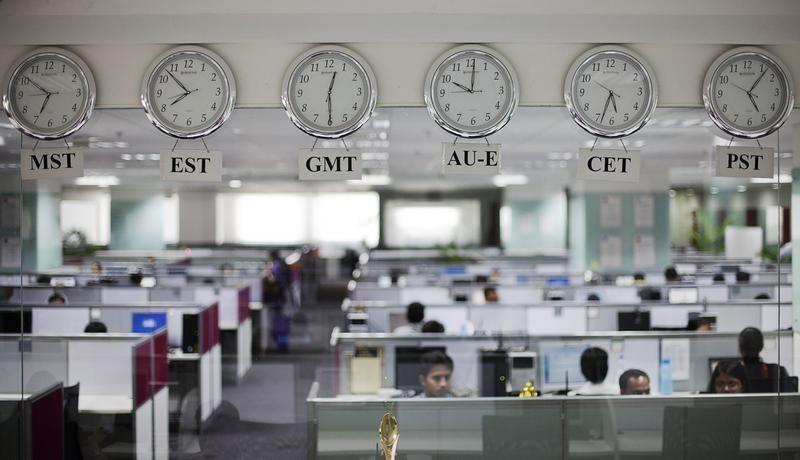
An Indian IT company. /Reuters
Employment visa – a consistent target
This is not the first time Trump has mulled such suspensions on work visa to cope with unemployment.
In February this year, unemployment in the United States fell to an all-time low of 3.5 percent. At that time, Trump considered suspending all non-immigrant work permits for at least a year, and banning the Optional Practical Training (OPT) program, which allows foreign students in science, technology, engineering and mathematics (STEM) to work in the States for up to three years after graduating.
In the States, H-1B is the most coveted foreign work visas for technology professionals. And a suspension by the Trump administration may cause adverse impacts on many tech companies in the country.
As economies gradually resume, the country will need more human capital to meet the needs pf business, domestically and internationally. The visa suspension may undermine businesses' access to talents, and may become a hurdle to long-awaited economic recovery.
(With input from agencies)