- Home
- China
- World
- Europe
- Politics
- Business
- Opinions
- Tech & Sci
- Culture
- Sports
- Travel
- Nature
- Picture
- Video
- Live
- TV
- Specials


Share







Copied
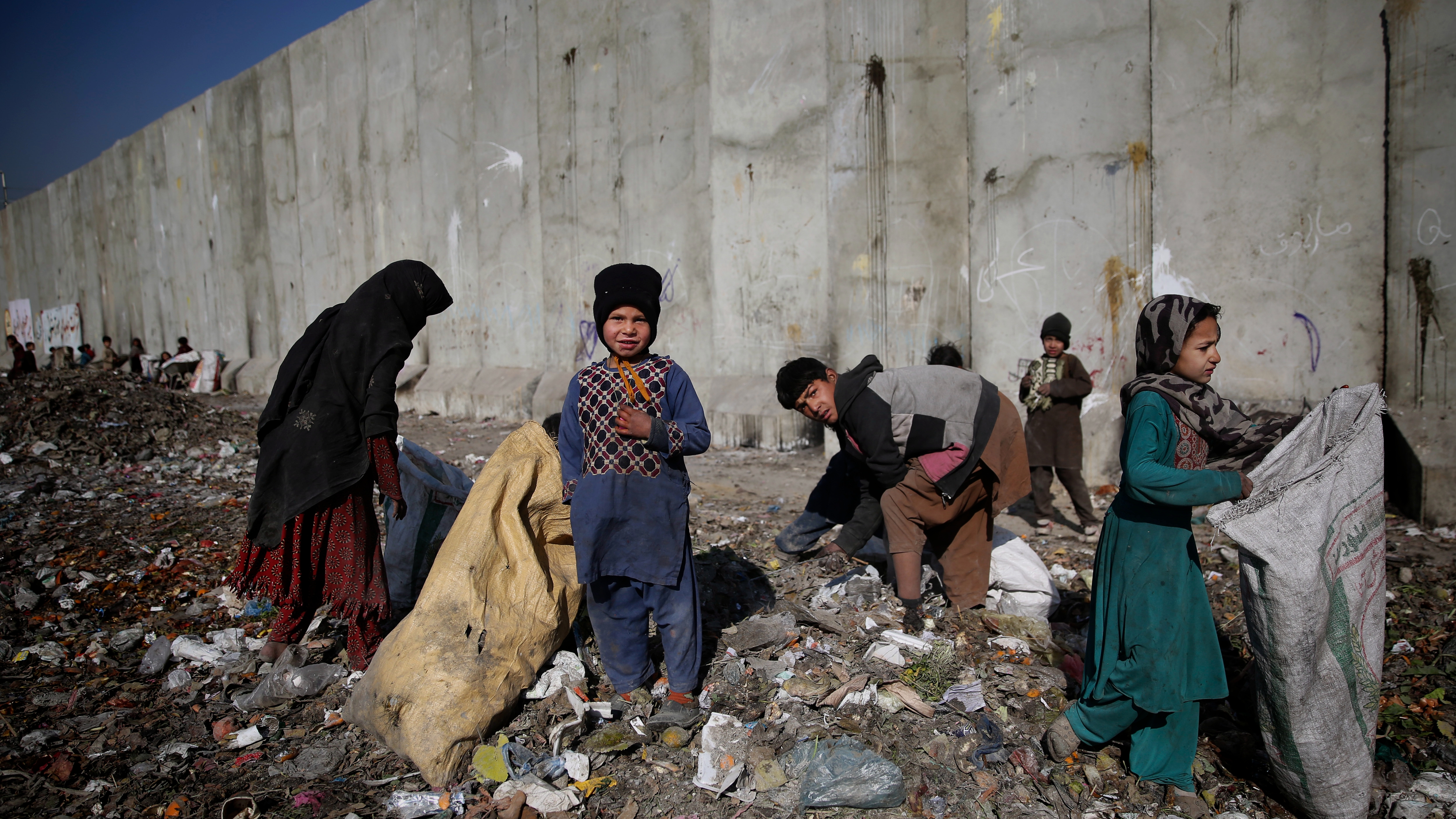
More than one billion children suffer physical, sexual or psychological violence every year. The ongoing lockdowns because of the coronavirus pandemic have further aggravated the situation, according to a new report released Thursday.
As a result of the violence, children suffer from injuries, disabilities and even face death. The dismal scenario prevails, despite laws to prevent such atrocities in 88 percent of the countries in the world. Only half of them enforce child protection laws.
While 83 percent of the countries have national data on violence against children, only a quarter of them prepared targets to stop such practices. "There is never any excuse for violence against children," said World Health Organization (WHO) Directer-General Tedros Adhanom Ghebreyesus.
"We have evidence-based tools to prevent it, which we urge all countries to implement. Protecting the health and well-being of children is central to protecting our collective health and well-being, now and for the future."
The report titled Global Status Report on Preventing Violence Against Children 2020, jointly prepared by the WHO, UNICEF and UNESCO, looked at the effectiveness of seven strategies for preventing and responding to violence.
The situation has turned worse for children with the lockdown leading to the closure of schools, forcing them to stay with people who frequently abuse them, said the report. Most of the victims felt trapped for a prolonged period of time, seriously affecting their ability to cope with the adverse situation.
The school closure ultimately meant limited or no playtime and quality time spent with classmates and resulted in a spike in calls to child helplines in many countries.
"Lockdowns, school closures and movement restrictions have left far too many children stuck with their abusers, without the safe space that school would normally offer," said Executive Director of UNICEF Henrietta Fore.
"It is urgent to scale up efforts to protect children during these times and beyond, including by designating social service workers as essential and strengthening child helplines."
More than half of the countries reported significant improvement in providing children access to schools. Between 32 percent to 37 percent of countries considered that victims of violence could access support services, while 26 percent provided programs on parent and caregiver support.
(Cover: Internally displaced Afghan children look for plastic and other items which could be used as a replacement for firewood, at a garbage dump in Kabul, Afghanistan, December 15, 2019. /AP)