- Home
- China
- World
- Europe
- Politics
- Business
- Opinions
- Tech & Sci
- Culture
- Sports
- Travel
- Nature
- Picture
- Video
- Live
- TV
- Specials


Share







Copied

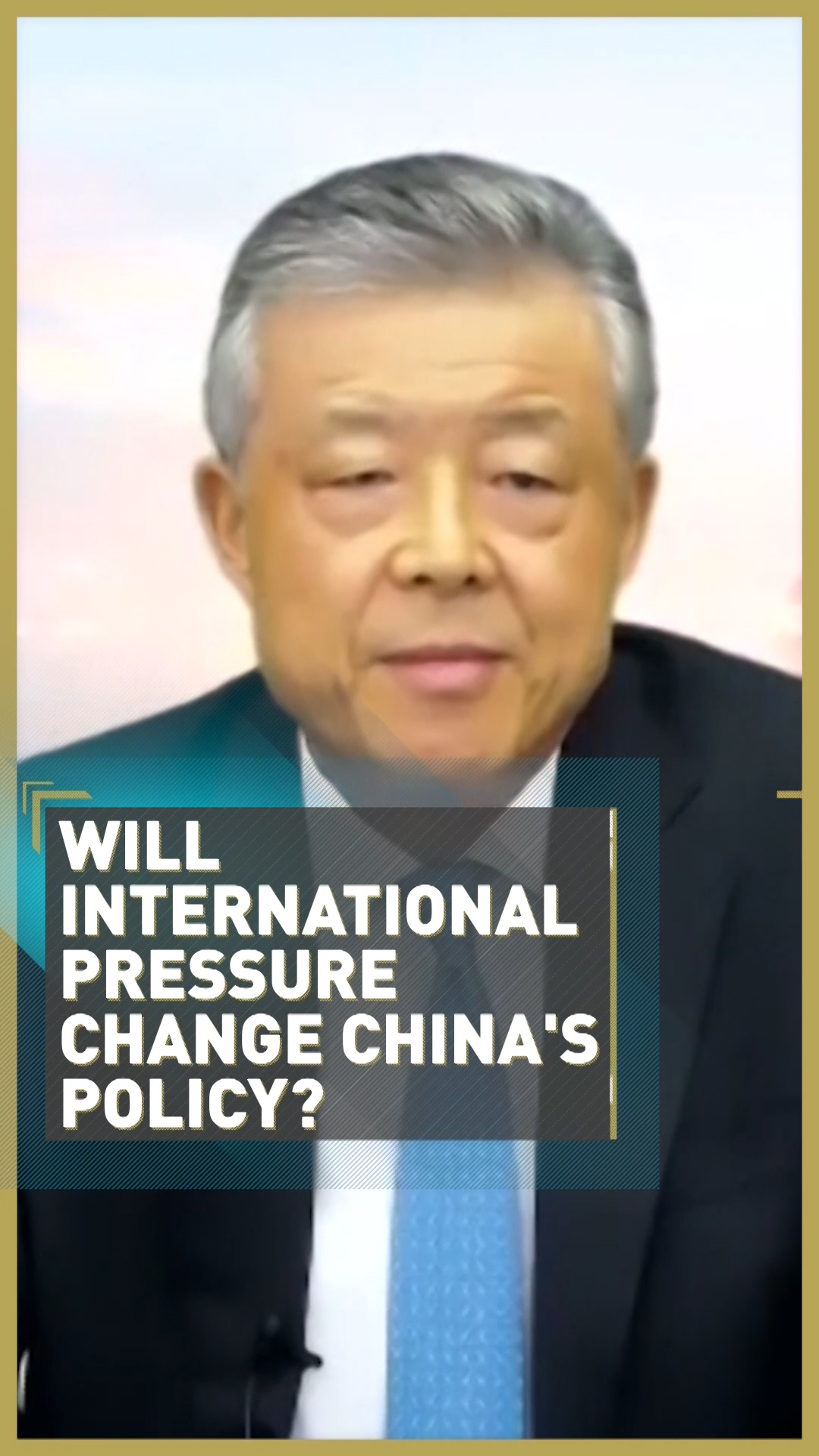
Hong Kong's new security law has been misunderstood and miscommunicated in the UK, China's ambassador has said.
The policy was introduced in response to the needs of the city, which has lacked a framework to tackle elements intent on causing chaos and disruption, Liu Xiaoming said at a press conference.
The National Security Law was implemented in Hong Kong on 30 June to address offenses of secessionism, subversion, terrorism and colluding with a foreign power.
"After the law was adopted, British media carried massive reports and comments, which, to be frank, are full of misinterpretation, misunderstanding and even distortion," Liu said.
Liu highlighted five key questions around the law:
- Why was it necessary?
- Does the law conflict with the "One Country, Two Systems" policy?
- Will the law impair Hong Kong's autonomy?
- Has China failed to fulfill its international obligations?
- Have other nations fulfilled their own international responsibilities?
Wide support
Liu said the new law has wide support in Hong Kong because, for the first time since the city's return to China 23 years ago, it introduces a framework to tackle elements determined to cause chaos and disruption. He referenced rioting in the city that put security forces and state buildings under attack.
"The law targets a very few criminals but protects the great majority of Hong Kong people," he said.
In addition, contrary to reports in the British media, the laws protect Hong Kong's autonomy and freedoms and safeguard the principle of One Country, Two Systems by delivering stability and prosperity, he said.
The ambassador stressed that China had always adhered to its obligations under international law and accepted practice. However, the UK's responses to the legislation "openly trample on the basic norms governing international relations," the ambassador added, citing a promise by British prime minister Boris Johnson to offer a path to full UK citizenship to millions of residents of Hong Kong.
China wants to be a partner, but any state that wants to treat it as a hostile power "must bear the consequences," he warned during questions from the media.