- Home
- China
- World
- Europe
- Politics
- Business
- Opinions
- Tech & Sci
- Culture
- Sports
- Travel
- Nature
- Picture
- Video
- Live
- TV
- Specials


Share







Copied
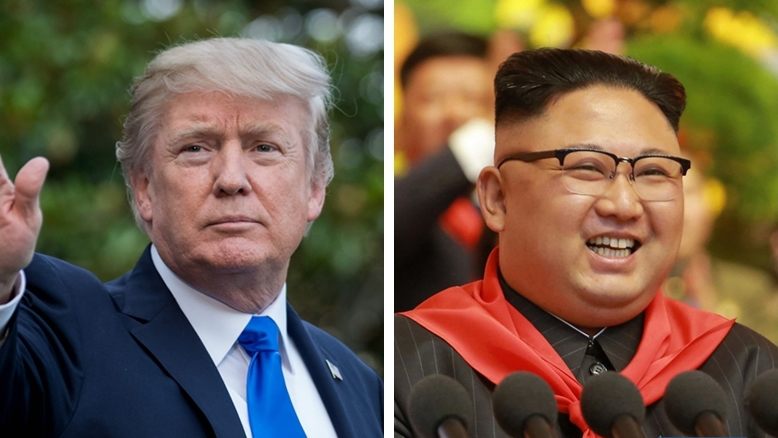
After denuclearization talks between the DPRK and the U.S. stalled last year, ROK President Moon Jae-in is pushing for a new Trump-Kim summit before November's U.S. presidential elections.
With the DPRK refusing a new round of talks and U.S. Deputy Secretary of State Stephen Biegun hinting that a summit may not happen, what is the future for Korean denuclearization? Is the DPRK waiting to see what the U.S. elections will bring? Without a clear plan from either country, how can substantial discussion happen?
Speaking of President Moon's intention to promote U.S.-DPRK ties, Jack Barton, CGTN correspondent in Seoul, pointed out that it's something Moon has been pressing for even before he became president, and he's not just hoping for greater peace, but all along has been hoping for a real breakthrough, leading to the demilitarization of the Korean Peninsula, as well as a much closer economic cooperation.
"It really does seem to be something he (Moon Jae-in) personally believes in, it is not just a piece of policy," Barton stated. "His parents fled the North during the war, and he himself as the son of refugees… not only that, he volunteered for the special forces and served in the demilitarized zone during one of the periods of the greatest tensions where many people thought it might even spark a third World War."
However, given the current U.S.-DPRK relations, peaceful negotiations between the two sides are still hard to achieve. Barton said the main problem right now is that the DPRK wants major sanctions relief and security guarantees, while the U.S. is talking about total nuclear disarmament. Barton believes that unless the DPRK can get some benefits from the U.S., it's very difficult to see this diplomacy going forward.
Jenny Town, research analyst at the Stimson Center and the Managing Editor of 38 North, agreed that the talks between the U.S. and the DPRK are in a very difficult situation now where the U.S. and the ROK want to gain some momentum.
Town noted that both the U.S. and the ROK don't want the situation to evolve, but unfortunately, the U.S. is very distracted right now with other domestic issues, and it's hard to imagine a situation where the U.S. is going to drastically change its position in order to get the DPRK to come back to the table.
Additionally, Town argued that there is credibility issue that the DPRK has no confidence in the other two countries. "They don't believe the South Koreans can move forward, because the South Koreans haven't been able to move forward over the past two years," Town added. "And there's a credibility factor where if Trump doesn't win this election and they rush through it and try and get an agreement before the election happens, what kind of credibility is there that this deal would last beyond a political transition?"
In particular, according to Kim Jong-un's speech to the party parliament at the end of the last year, Town noted that there was an indication where the DPRK didn't necessarily believe that changing the external environment was going to bring them economic gains, and especially not in the near future.
Therefore, the DPRK right now is working on building up domestic institutions to better withstand the continued hostile relationship, and will get back to negotiations when there is something different on the table.
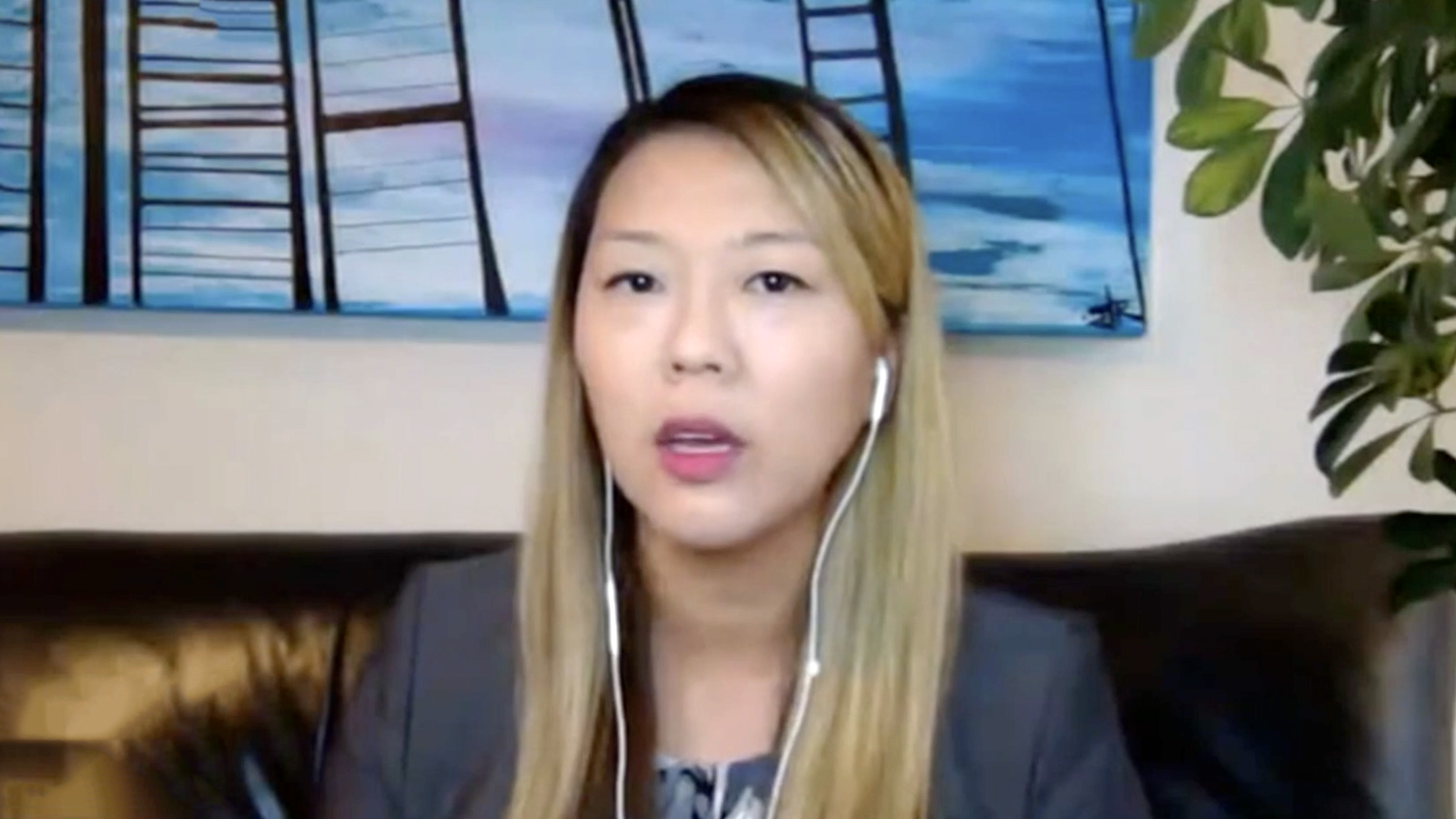
Regarding Kim Jong-un's future strategy that might be taken, Michael O'Hanlon, senior fellow from Brookings Institution, said one possibility certainly Kim could consider is resuming tests that he conducted through 2017, and that would obviously be very provocative, which would deny President Trump any ability to claim progress in the U.S.-DPRK relations.
Another possibility is, O'Hanlon added, that Kim could just wait for a few more months as it would be different to negotiate with Joe Biden. But right now, O'Hanlon thinks that Trump basically agrees with former U.S. national security adviser John Bolton that the DPRK has to be completely denuclearized in the first deal, and that's not going to happen.
"Dialogue" is a prime time English-language daily talk show on CGTN. The 30-minute program covers a wide range of domestic and international topics, providing a balanced and critical perspective on current affairs and analysis within the framework of cross-cultural and multi-disciplinary comparisons.
Schedule: Monday-Sunday
Time (GMT): 03:30, 11:30, 19:30
(If you want to contribute and have specific expertise, please contact us at opinions@cgtn.com)