- Home
- China
- World
- Europe
- Politics
- Business
- Opinions
- Tech & Sci
- Culture
- Sports
- Travel
- Nature
- Picture
- Video
- Live
- TV
- Specials


Share







Copied
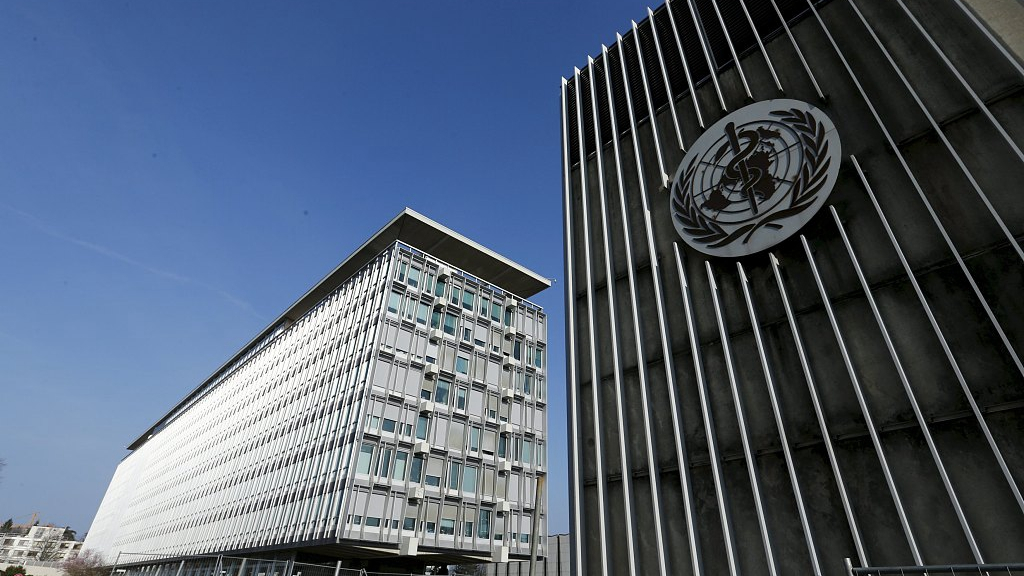
The Trump administration has notified the United Nations (UN) that the U.S. will formally withdraw from the World Health Organization (WHO), a move that will be finalized next July. CGTN Host Tian Wei spoke to Dr. Megan Ranney, an emergency physician at Brown University; and Joel Rubin, former U.S. deputy assistant secretary of state to unpack the medical and political repercussions of Trump's move.
Ranney denounced Trump's move and highlighted the importance of the WHO. "The WHO is so critical. As we saw with COVID-19 emerging all over the world, the WHO can detect those cases more quickly. And Americans don't go into every country. The WHO is the primary health respondent. We need them to make sure this virus doesn't spread."
Despite Trump denouncing the U.S. funding of the WHO, which amounted to 400 million U.S. dollars in 2019 (15 percent of the organization's total), as money wasted, Ranney counters that cooperation with the WHO is more effective for drug trials and vaccine trials. So we end up saving more money. She added that the U.S. contribution to the WHO is small compared to the whole U.S. government budget. She argued: "We should use the funding to take an active role in the WHO and demand more accountability."
Despite Trump insisting on accountability from the WHO and China, Trump's politicization of public health is proving dangerous at home. Rubin fears that Trump has politicized public health to such a degree that Americans are getting sicker. He said, "Trump has provided false remedies, like using Chlorox or Hydroxychloroquine. Now the President is encouraging people to leave their homes prematurely."
Already states that are considered Republican strongholds, like Texas, Florida and Georgia are seeing spikes in hospitalization. Ranney fears that the current spike in the Southern U.S. will follow the grim trend that New York experienced in April. He said: "As we see hospitals filling up, you will see death rates spike in those states."
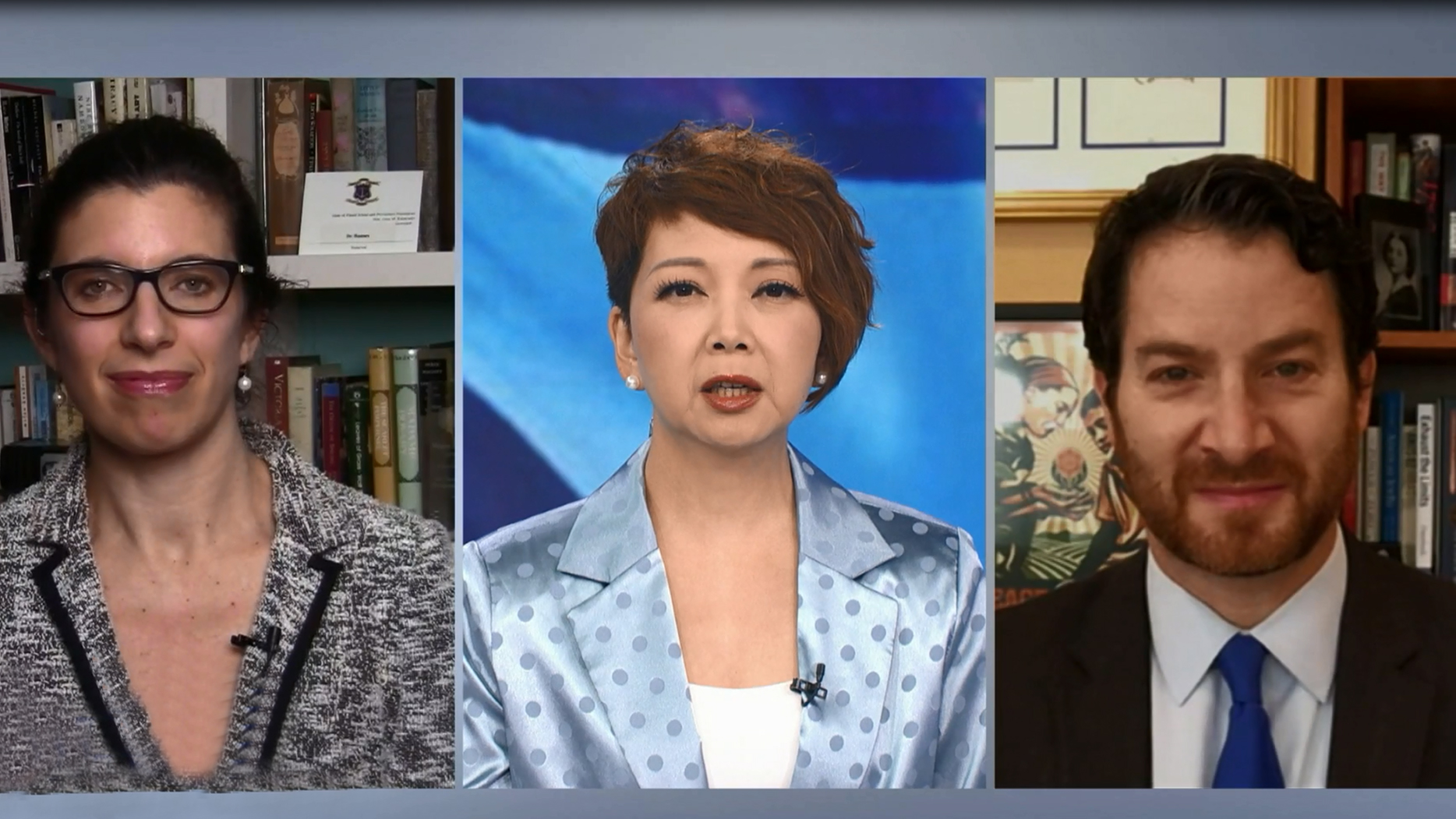
Ranney lamented that, "Public health should not be a partisan issue. Even respect for evidence like wearing masks and taking vaccines has become divisive." Ranney took heart that in surveys most Americans support evidence-based health protective actions.
Even if most Americans surveyed are supportive of guidelines from public health officials, Trump is buoyed by his support base. Rubin said that Trump's withdrawal from the WHO so close to the election implies that Trump wants to have it both ways. Rubin explained, "Trump can claim he is taking a tough action against the WHO but not do anything about it, and just punt it to the next administration."
Trump's campaign motto "America First" seems to dictate his COVID-19 strategy. This is best exemplified in the U.S. purchase of virtually all the stocks of Remdesivir, one of two drugs proven effective against COVID-19. Rubin said that "America First" is in fact "America Alone". Rubin urged U.S. engagement with the rest of the world. He stated, "If we don't like how the WHO has been acting we can't blame the platform itself. There are issues with China and China's behavior at the WHO. But that doesn't mean we stop engaging. We lean in. We talk to China with the issues we are concerned with." Rubin added, "International organizations are not simple creatures. The U.S. doesn't get to be the only voice. Our policy makers need to deal with hard conversations." However the current U.S. President would rather walk out than sit down for such conversations.
World Insight with Tian Wei is an international platform for debate and intelligent discussion. It is the meeting point of both the highly influential and rising voices, facilitated by host Tian Wei. It provides nutrition to form your own thoughts and ideas through a 45-minute live debate and interviews.
Schedule: Monday-Saturday
Time (GMT): 1415, 2015
(If you want to contribute and have specific expertise, please contact us at opinions@cgtn.com.)