- Home
- China
- World
- Europe
- Politics
- Business
- Opinions
- Tech & Sci
- Culture
- Sports
- Travel
- Nature
- Picture
- Video
- Live
- TV
- Specials


Share






Copied
The European Commission said that a decision by the United Kingdom not to join an EU scheme to secure potential COVID-19 vaccines up front would not affect talks the bloc is conducting with several drugmakers.
Britain has turned down the chance to join a 2.4 billion euro (2.7 billion U.S. dollars) European Union plan to secure advance purchases of promising COVID-19 vaccines on Saturday, saying the EU would not allow it any role in decision-making.
"The UK government has decided on this occasion not to join this internal EU initiative, but given our shared interest in ensuring that vaccines are available to all, we are committed to strengthening our collaboration with the EU outside the framework," Britain's ambassador to the EU, Tim Barrow, said.
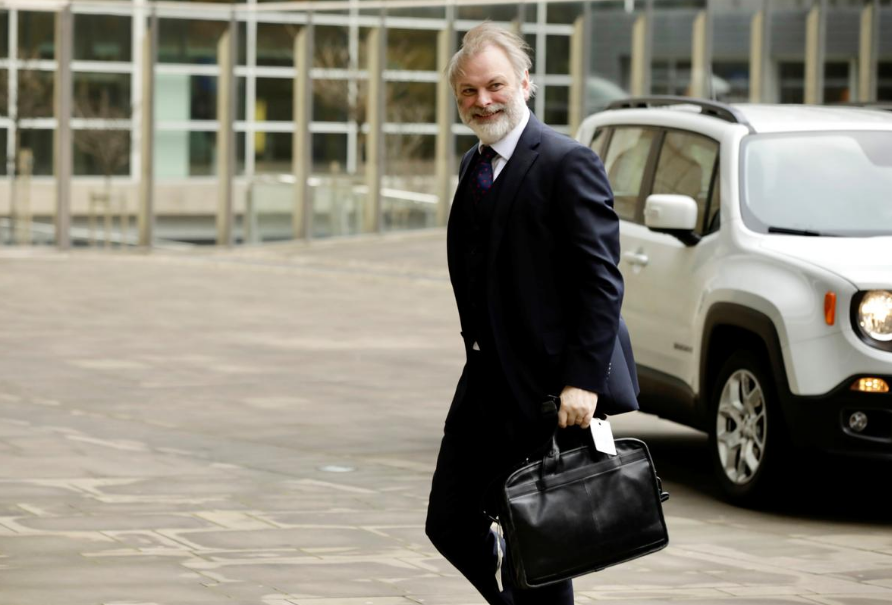
Britain's Permanent Representative to the EU, Tim Barrow. /Reuters
"The fact that the UK has apparently said they would not join up to whatever contract we are able to negotiate with producers is definitely not something that is going to influence our own negotiations with the producers," a spokesman for the EU executive told a news conference.
He said the EU was currently negotiating advance purchases of vaccines still under development with a series of producers.
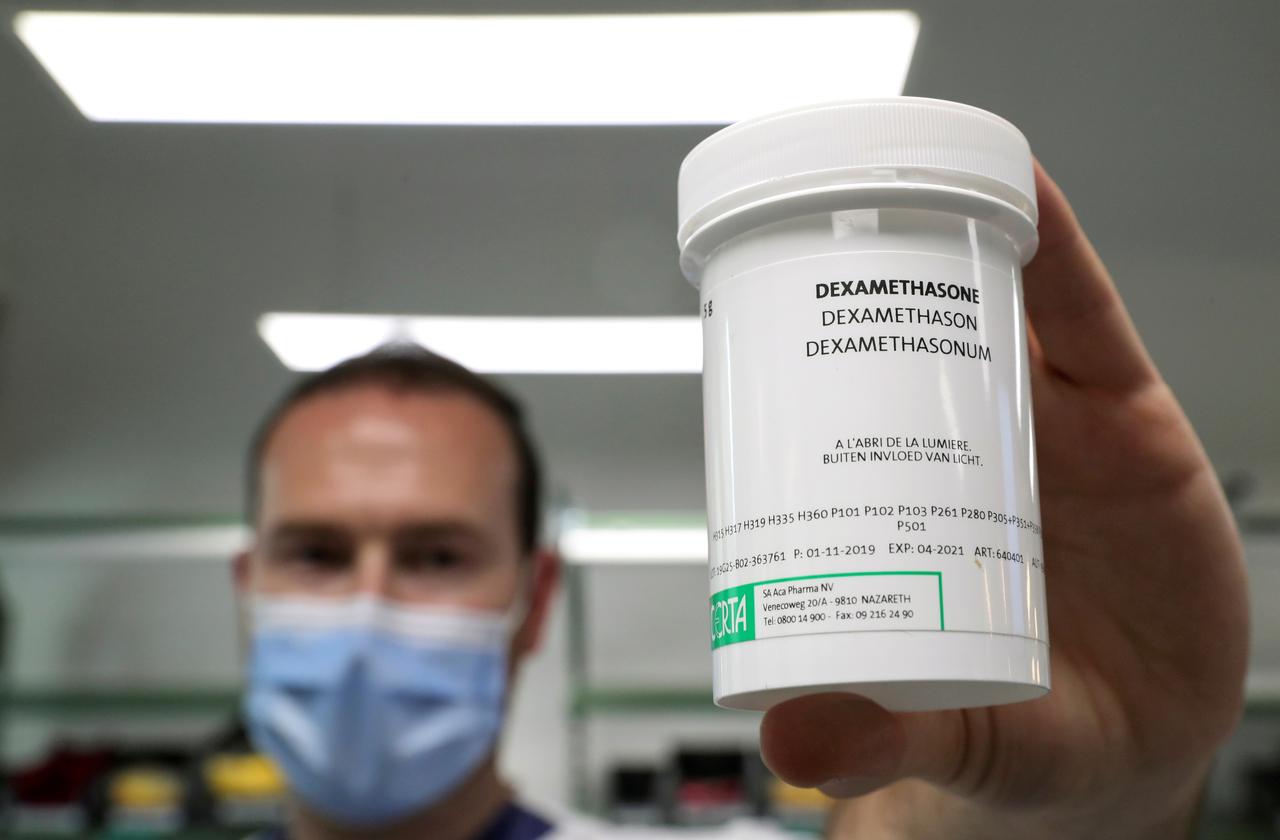
A pharmacist displays a box of Dexamethasone at the Erasme Hospital amid the COVID-19 outbreak, in Brussels, Belgium, June 16, 2020. /Reuters
With the highest coronavirus death toll in Europe, Britain is struggling to reopen its economy and will end a status quo transition period with the EU at the end of this year.
Earlier this year, Britain failed to join an EU procurement program for ventilators due to what officials described as a communications issue.
Barrow said joining the EU scheme would have required Britain to end its own talks with manufacturers, and it would have been given no voice over "which manufacturers to negotiate with, or the price, volume and delivery schedule negotiated."
AstraZeneca Plc has signed a contract with European governments to supply the region with its potential vaccine against the coronavirus in June 2020. /Reuters
With a global death toll of more than 550,900 and a virus that is still on the march, leading governments are locked in a race to secure supplies of vaccines in a desperate attempt to get their economies working again.
Britain has already struck a deal to secure 100 million doses of an experimental vaccine that has been developed by the University of Oxford and licensed to British drugmaker AstraZeneca.
The talks with the EU had represented a test of whether the two parties could work together to tackle international emergencies after Brexit. The EU said prior to the announcement that a decision by Britain to reject the scheme would not affect talks it was having with drugmakers.
Under the EU plan, the bloc wants to buy or commit to buy promising vaccines before they are ready, taking the risk of potential clinical failures. In exchange, it would get priority access to the shots.