- Home
- China
- World
- Europe
- Politics
- Business
- Opinions
- Tech & Sci
- Culture
- Sports
- Travel
- Nature
- Picture
- Video
- Live
- TV
- Specials


Share







Copied
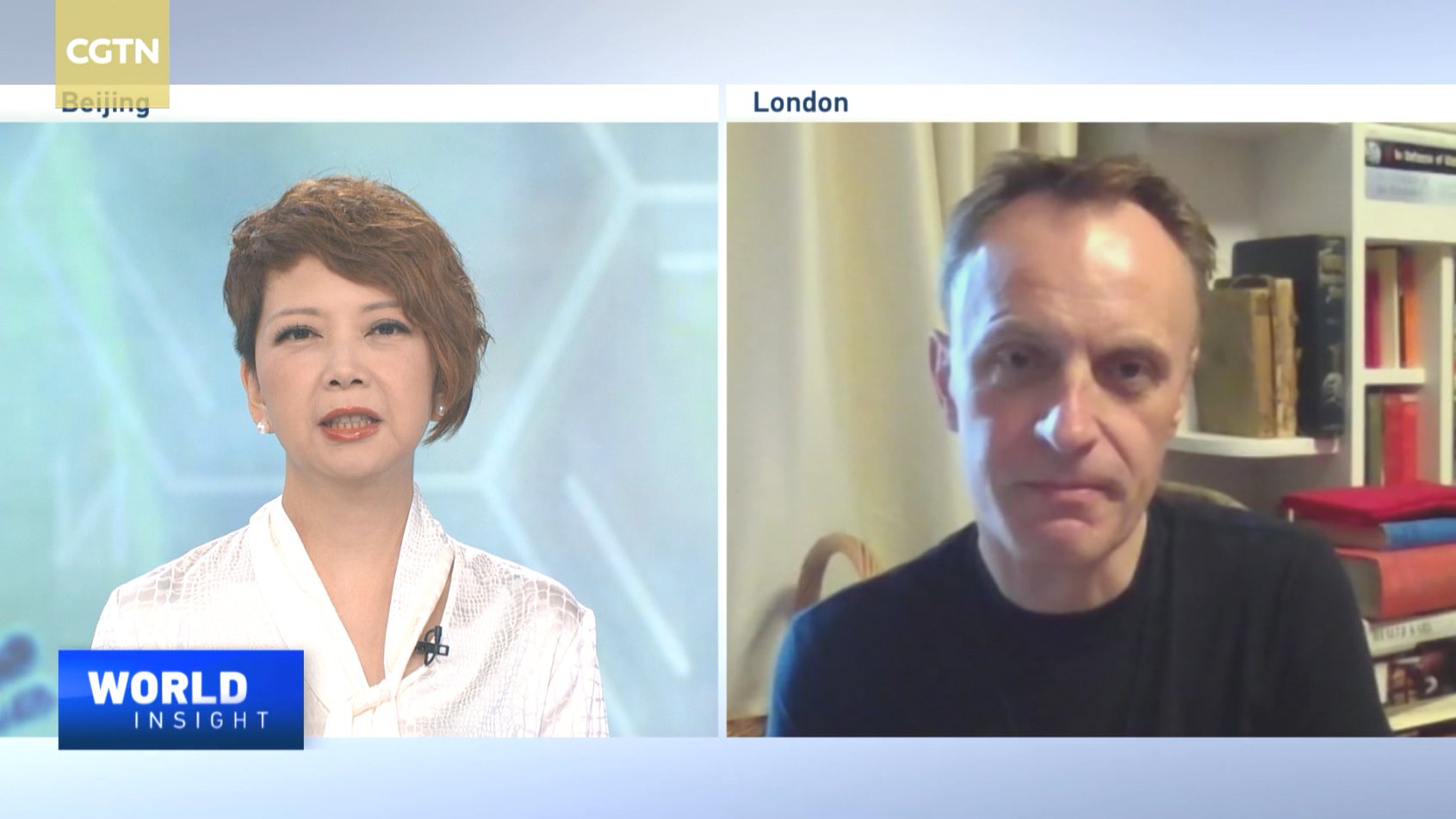
As the Editor-in-Chief of The Lancet, one of the world's oldest and best-known medical publications, Richard Horton has been an acute observer of the COVID-19 pandemic. He recently published a book: "The COVID-19 Catastrophe: What's Gone Wrong and How to Stop It Happening Again." In an interview with CGTN Host Tian Wei, Horton gave his prognosis on the global response to this unprecedented heath crisis and what the world should do to cope with the new reality.
Tian Wei: We see science increasingly being tainted by politics in some countries. How do you see this reality?
Richard Horton: I think this is one of the biggest threats that we face. There is a movement in the world against science. I admire the United States greatly because of its scientific talents. The political climate is so strange to understand because you have a government led by a president who seems not to respect science. This sense of anti-science is a huge danger to the health and well-being of our people. Those countries that have taken science seriously, and have acted on the science quickly, are the countries that have had the most successful responses to the pandemic. But those countries that didn't take science seriously, that were slow and indecisive and complacent and didn't recognize the warnings from scientists, are the countries that are suffering.
I think one of the lessons out of this pandemic is that we need to take science in our society more seriously. And we need political leaders to understand the value and power of science to inform their decisions.
Tian Wei: If I could ask you to grade the world's performance against COVID-19, from a scale of 0 to 100, what score would you give?
Richard Horton: Well below 50, I'm afraid. I don't think the world has responded well at all to the pandemic. Despite the warnings China sent in the final week of January through the papers we had the privilege of publishing, I'm afraid the world did not pay attention to those warnings. That's why we are in this desperate situation we are in today.
Tian: But there are people who blame China for not giving warning and blame the WHO for not acting. Are you saying they are wrong?
Horton: They are completely wrong, and there is a radical rewriting of history taking place right now in the West. We need to keep emphasizing the truth, which is that on December 31 China informed the World Health Organization about outbreak of a new disease. Immediately within 48 hours the WHO appointed a team to investigate this new outbreak. The genome (of the new virus) was sequenced early in January. And by the last week of January, Chinese scientists had declared to the world, that this was indeed a new disease, a very severe disease for which there was no treatment, and for which patients were being admitted to hospitals, and many were dying. There was human to human transmission. And there was a risk of a global pandemic. All of that information was made available to the world by Chinese scientists. Not by Western scientists. But Western governments chose to ignore those warnings, and that is why we now see this epidemic burning through other countries in the world.
There is now going to be an inquiry that the WHO will lead about its response. I think in the fullness of time, the truth will be made very clear – that is we actually owe a debt of gratitude to Chinese doctors and scientists who worked out the threat of this pandemic all those months ago.
We are going through a very strange period of geopolitical instability at the moment. My view is that Western governments are choosing to blame the WHO and China rather than accept their responsibility for the way they have handled their own epidemic.
I actually think China's experience offers an important lesson. Since the SARS outbreak in the early 2000s, the Chinese government has invested huge amounts of money in health and research. So when the novel coronavirus broke out last year in Wuhan, while it was tough, China's health system and research system were able to swing into action very fast. Health is another dimension of national security. I would urge all governments to invest in health and science to better protect their people.
Tian: Are we capable of doing the inquiries, investigating the origin of the virus, but at the same time working out a multilateral mechanism to deal with the ongoing pandemic?
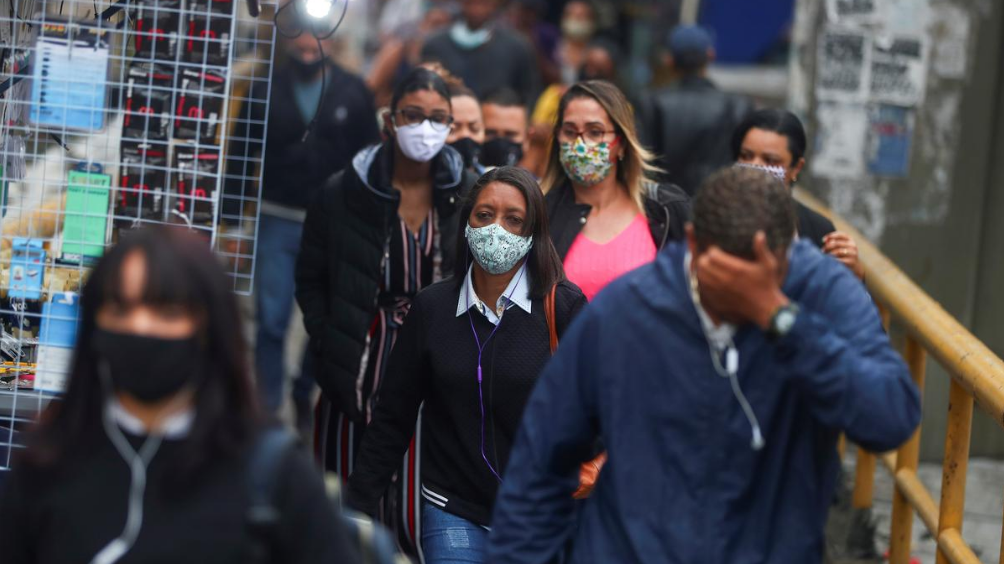
Horton: We can do all of that. First we have to get a grip on the pandemic. We still have 200,000 cases a day being diagnosed, with 5000 deaths a day across the world. It's a multipolar pandemic. The main focus at the moment is Brazil, the United States, and India. We need to control this community transmission. That means governments and citizens have to act together to reduce their risk through all the means we know: Physical distancing, avoiding mass gathering, mask wearing.
We also have over a hundred vaccine candidates that are currently going through clinical testing. There will be results reported next week, which will be very encouraging, both from the United Kingdom and indeed from scientists in China.
Tian: We have seen new studies about coronavirus antibodies that suggest vaccines might not offer long-term protection. What is the implication?
Horton: The honest truth is that we are still learning a lot about the virus, including how the body responds to it and develops immunity to it. Remember, we didn't know this virus existed six months ago. So you could say the current vaccine development is a gamble given how much we still don't know. However, I remain confident that over the next 12 months, there will be candidates able to be produced for clinical use. It could be like influenza vaccine, which changes every year, but we just don't know yet.
Tian: If we look at the fact that for example we still don't have an HIV vaccine, are we risking bringing inflated hope to the global population by talking about the coronavirus vaccine with positive expectations?
Horton: We are not going to have a vaccine this year, let's be clear. That means we have to live with the virus for the time being and change our behaviors, which is a radical challenge for people to accept that. But by changing, we can reduce the risk of being infected and buy us time until a vaccine is available.
Tian: China remains the only country that has pledged to share a successful coronavirus vaccine with the world. Will there be geopolitical fight over vaccines when they become available?
Horton: I think it's a matter of urgency that the United Nations should bring together all its member countries to have an emergency special session to address how we can have a fair distribution of the vaccine. When a vaccine becomes available, it needs to be first distributed to people working on the front line. Not people like me, but health workers, people working in shops and public transport. If countries don't have an agreement on that, we're just going to have a fight, and the strongest country will win. That isn't fair and isn't right.
Tian: On a personal note, how are you dealing with these changes? For example not be able to freely go to a restaurant and hang out with friends?
Horton: I'm getting used to adapting. I think a positive lesson of this pandemic is the solidarity we have shown in our country. People have been kinder to one another. I think our society is strangely stronger today because of the adversity we have faced.
World Insight with Tian Wei is an international platform for debate and intelligent discussion. It is the meeting point of both the highly influential and rising voices, facilitated by host Tian Wei. It provides nutrition to form your own thoughts and ideas through a 45-minute live debate and interviews.
Schedule: Monday-Saturday
Time (GMT): 1415, 2015
(If you want to contribute and have specific expertise, please contact us at opinions@cgtn.com.)