- Home
- China
- World
- Europe
- Politics
- Business
- Opinions
- Tech & Sci
- Culture
- Sports
- Travel
- Nature
- Picture
- Video
- Live
- TV
- Specials


Share






Copied
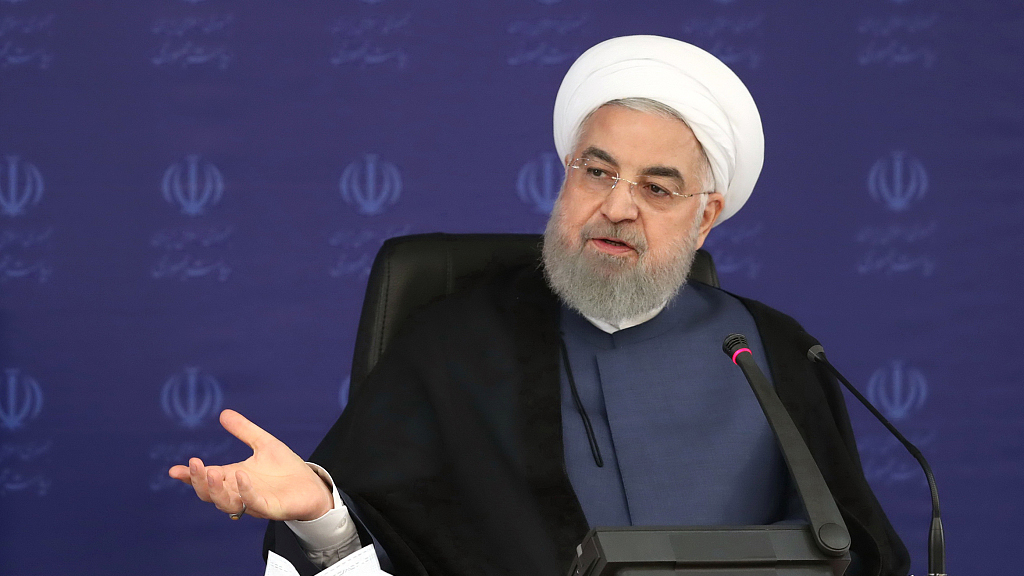
Iranian health officials sought on Sunday to play down President Hassan Rouhani's estimate that some 25 million people in the country have been infected with COVID-19, saying the figure was based on serological blood tests that measure exposure to the illness and that cannot be relied on to show the current state of disease.
"Our estimate is that up to now, 25 million Iranians have been infected with this virus," Rouhani said during a televised meeting on Saturday. Rouhani's office said the number of infections was based on an "estimated scenario" from a health ministry research report.
The president added that 35 million Iranians may ultimately contract the coronavirus while more than 200,000 people have been hospitalized and another 200,000 might need hospital treatment in the coming months.
The 25 million figure put forward by Rouhani on Saturday is nearly a third of the population and massively higher than the official number of COVID-19 cases. Official case numbers rose to 273,788 on Sunday, with 14,188 deaths, health ministry spokeswoman Sima Sadat Lari said.
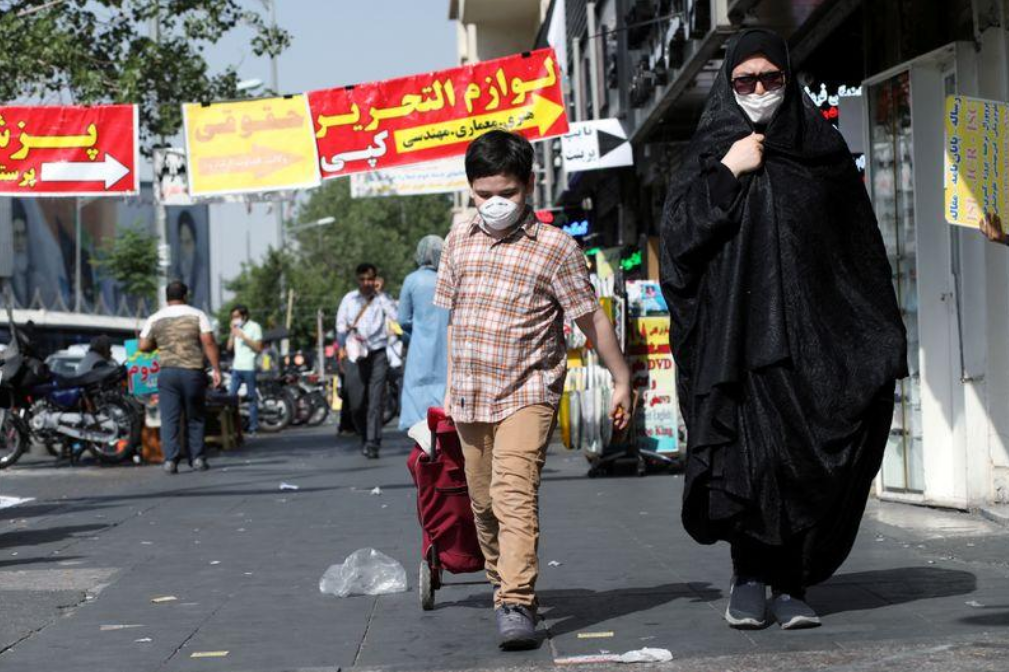
An Iranian woman and her son wearing face masks walk in a street in Tehran, Iran, June 28, 2020. /Reuters
A health ministry statement carried by Iranian news media said the figure given by the president was based on numbers produced by a deputy in the ministry.
"It is not possible to rely on serological tests to diagnoze the current state of the disease" the statement said.
Serological tests just determine if a person has been exposed to a disease by showing their antibody response. In the coronavirus pandemic, they have been used by countries to survey samples of the population and estimate overall infection rates — whether or not people have had severe, mild or no symptoms of COVID-19.
"Serological tests only show if people have been exposed to the virus in the past," Mostafa Qanei, head of the government's scientific committee of the coronavirus task force, said. Polymerase chain reaction (PCR) tests of the throat and nose are needed to confirm COVID-19, he added.
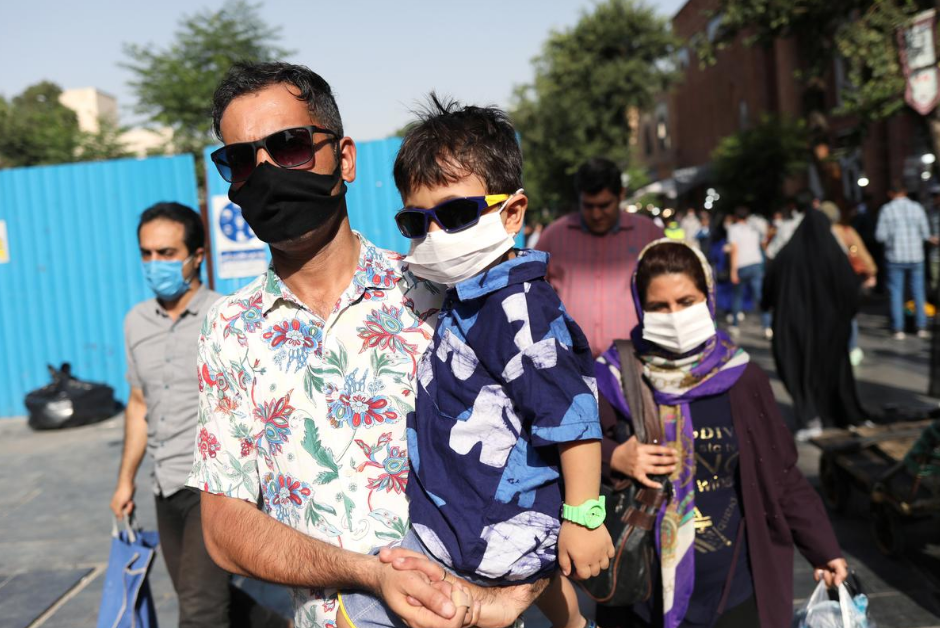
An Iranian man and his son wearing walk in a street following the outbreak of COVID-19, Tehran, Iran, June 28, 2020. /Reuters
Iran has been hardest hit by the pandemic in the Middle East, with infections and deaths rising sharply since restrictions were eased, beginning in mid-April.
Authorities on Saturday reimposed restrictions for a week in the capital Tehran, including banning religious and cultural functions, closing boarding schools, cafes, indoor pools, amusement parks and zoos.
From Sunday, 22 cities and towns in the southwestern Khuzestan province will be under a three-day lockdown, the province's governorate announced on Saturday.
Turkey has suspended flights to Iran due to the coronavirus outbreak, a spokesman for Iran's Civil Aviation Organization, Reza Jafarzadeh, said on Sunday, according to the official IRNA news agency.
Iran's parliament deputy Alireza Salimi called on the government to come up with a single official figure for COVID-19 cases.
(With input from Reuters)