- Home
- China
- World
- Europe
- Politics
- Business
- Opinions
- Tech & Sci
- Culture
- Sports
- Travel
- Nature
- Picture
- Video
- Live
- TV
- Specials


Share







Copied
At least 25 fake kidnappings across Australia have been reported this year, with eight reported in New South Wales state
The scammers have netted some 2.27 million U.S. dollars in ransoms so far this year, with one family losing 1.4 million U.S. dollars.

A man types on a computer keyboard. /Reuters
Elaborate "virtual kidnappings" are being used to extort money from the friends and relatives of Chinese students Down Under, Australian police warned Monday, after a spate of transnational scams were reported.
Police said that conmen claiming to be Chinese authorities had netted millions of U.S. dollars in ransoms by scaring students into faking their own kidnappings.
The scammers, often calling in Mandarin and claiming to be from the Chinese embassy, police or consulate, initially say the victim is accused of a crime in China or tell them their identity has been stolen before threatening them with deportation or arrest unless a fee is paid, police said.
The fraudsters then continue to threaten the victim, often over encrypted message services, until they transfer large sums into offshore bank accounts.

In May, federal police said they were investigating at least 25 cases of kidnapping extortion scams targeting Chinese students. /AFP
In some cases, victims were told to cease contact with friends and relatives, then make videos of themselves tied up and blindfolded with the conmen using the footage to demand ransoms.
Police said at least eight cases have led to more than 3 million Australian dollars (2.1 million U.S. dollars) in ransom payments this year alone in Australia.
One family sent 2 million Australia dollars who believed their daughter had been kidnapped, while some other victims have made between 20,000 and 500,000 Australian dollars in ransom payments.
Other incidents have been detected elsewhere around the world, and Australian police said the so-called "virtual kidnappings" had been "developed considerably over the last decade by transnational organized crime syndicates."
"While these phone calls appear to be random in nature, these scammers seem to be targeting vulnerable members of the Chinese-Australian community," NSW's Detective Chief Superintendent Darren Bennett in a statement to SBS.
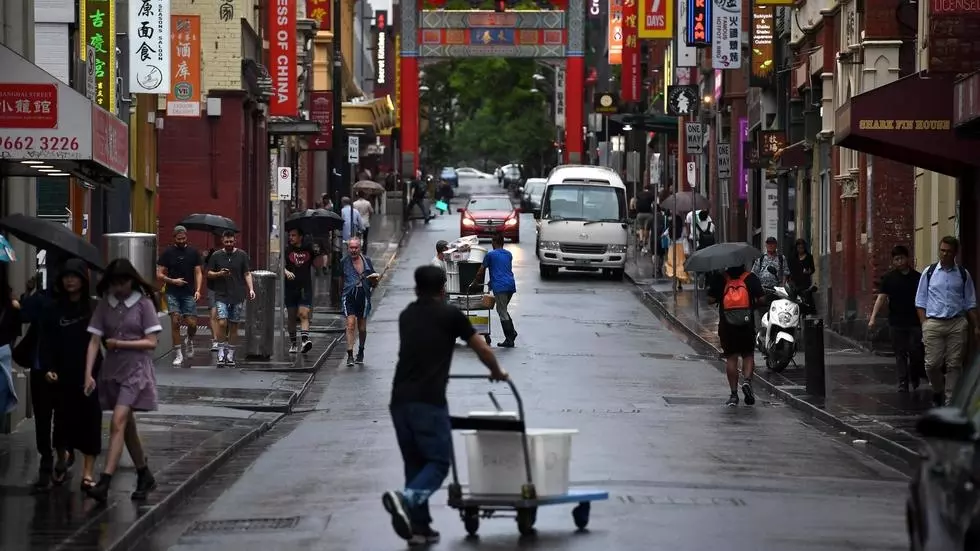
Australian police are warning about about a spate of scams where conmen are threatening Chinese students and faking kidnappings to extort money. /AFP
Bennett said NSW police have been assured by the Chinese Consulate-General that no Chinese authorities would contact a student on their mobile phone to demand money.
The warning comes as the university sector attempts to lure back lucrative international students online and prepare for any possible relaxation of virus travel restrictions.
Earlier this year, a 21-year-old Chinese international student told Australia's ABC News about her ordeal being scammed.
She said she was called by a person claiming to be a staff from the Chinese embassy, warning her that she was in danger and was involved in a case in China.
The student was asked to provide her personal details to "the staff" via the phone, but fortunately, her parents in China were alerted by Chinese authorities of the scam before any money was paid.
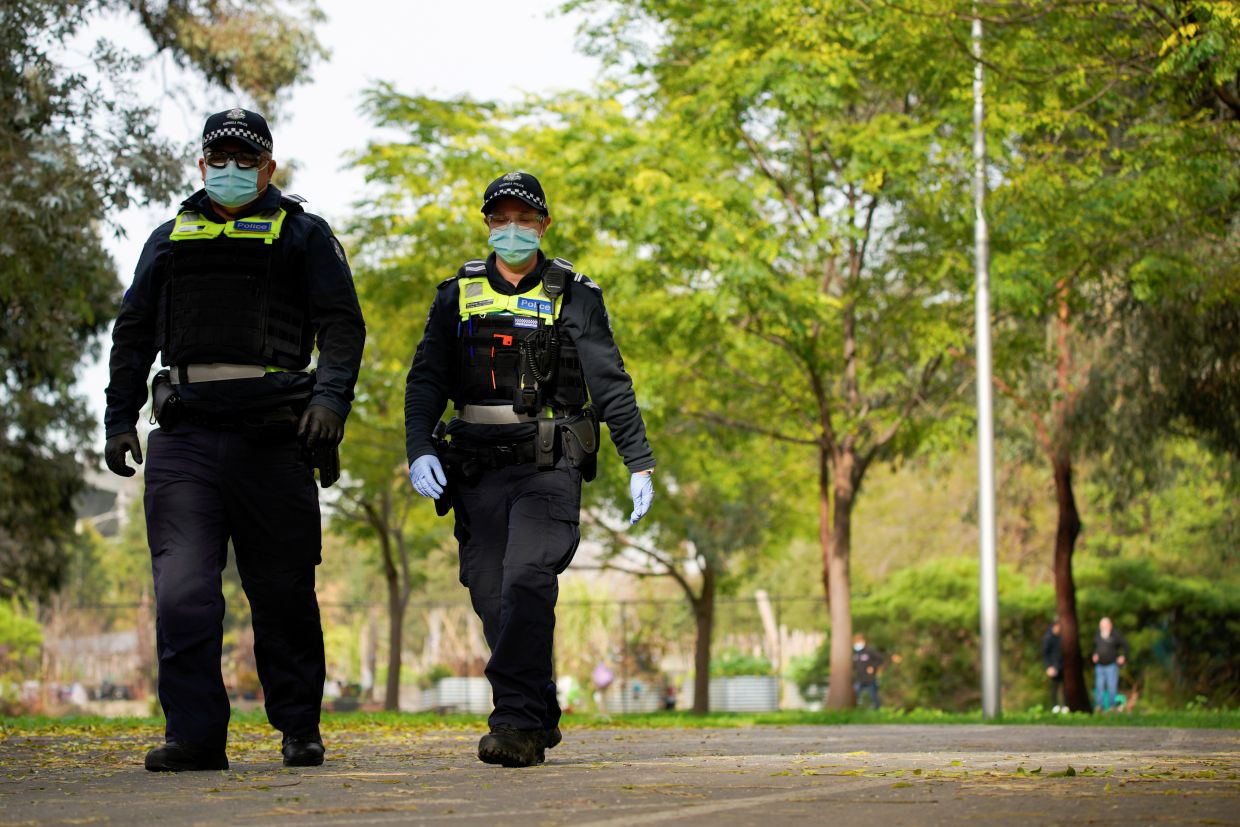
Police says that conmen claiming to be Chinese authorities have netted millions of U.S. dollars in ransoms by scaring students into faking their own kidnappings. /Reuters
More than 1,000 "Chinese authority" scams were recorded last year by Australia's consumer watchdog.
Education is Australia's fourth-largest trade, behind iron ore, coal and natural gas, with more than 500,000 international students enrolled last year, bringing about 37 billion Australian dollars into the economy.
The closure of its borders to travelers due to COVID-19 pandemic has crippled the sector and heightened tensions with Beijing has further threatened the flow of students to the country.
Last month China's Ministry of Education warned Chinese students about multiple discriminatory incidents against Asians in Australia during the pandemic and suggested the students considering carefully before returning to the country when the borders reopened.
(With input from agencies)