- Home
- China
- World
- Europe
- Politics
- Business
- Opinions
- Tech & Sci
- Culture
- Sports
- Travel
- Nature
- Picture
- Video
- Live
- TV
- Specials


Share







Copied
In one of Beirut's narrow streets, municipal workers are trying to clear the road of rubble of one of the collapsed buildings. Three blocks away from Beirut's port, the deadly August 4 explosion has not spared its adjacent districts from destruction.
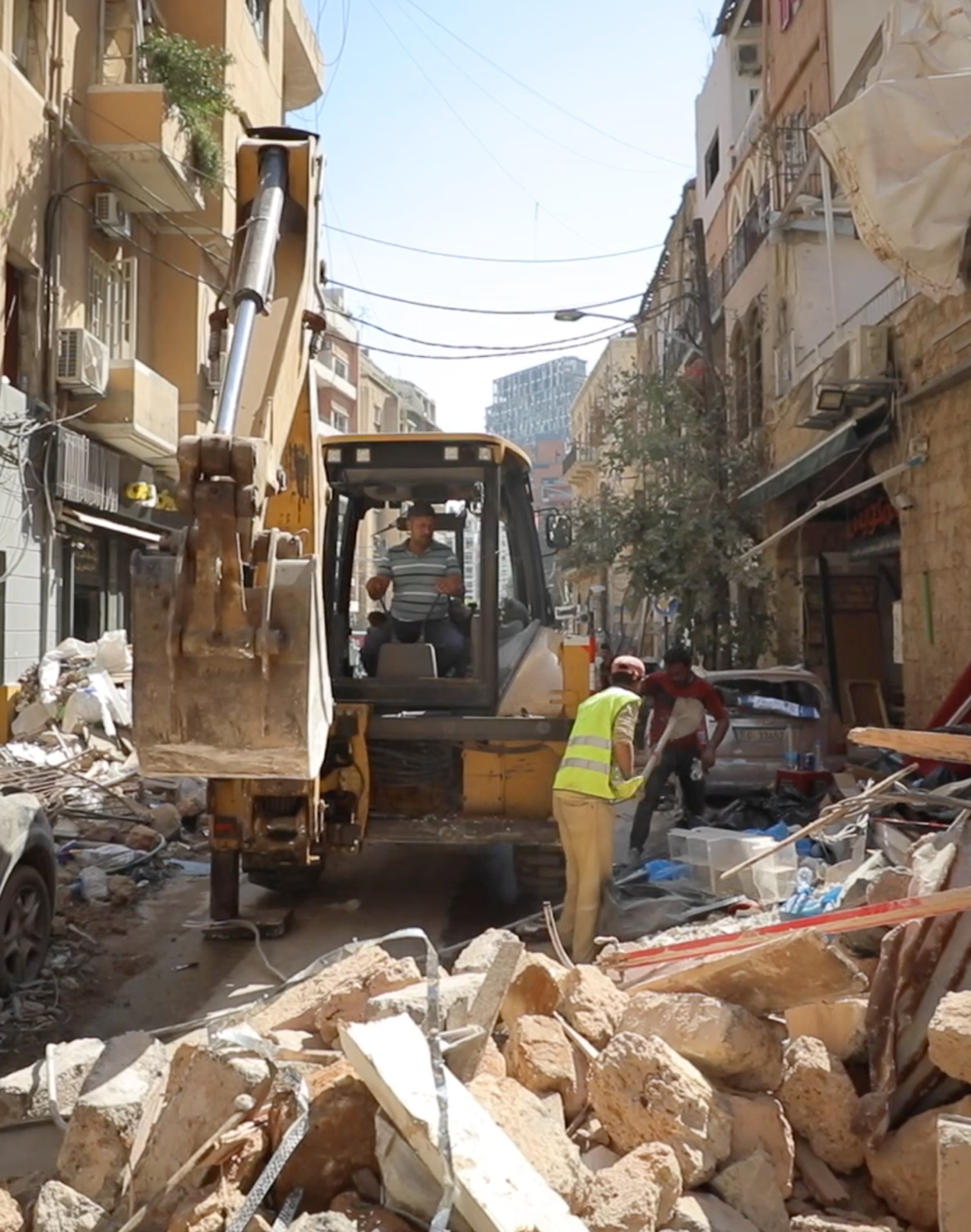
Two loaders are in a challenging mission to maneuver their way, attempting to create a path for more help to come. Every time they lift parts of the building, they look around for a clear spot to drop what they've collected, but there's barely any space left.
Naseem Abi Abd, 66, stands in front of a ruined building. The wreckage of his car lies beneath the rubble.
Part of the car is visible. It has been smashed under rocks, street light poles and electric cables.
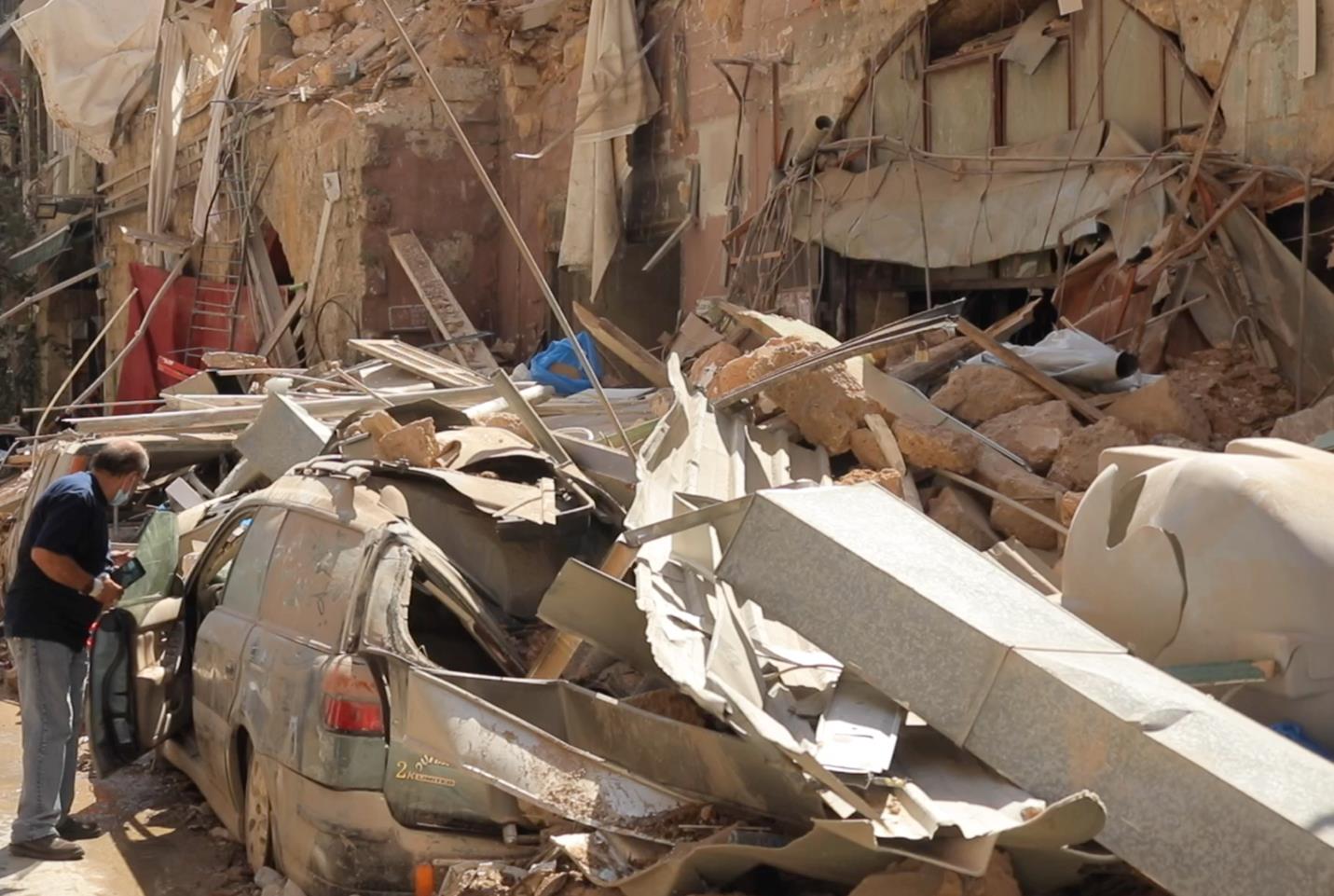
As a taxi driver, Naseem's livelihood depended on this vehicle.
"I had a request. I parked my car waiting for my client. The weather was very hot, so I stepped out of the car to stand in the shade. Moments later, the explosion happened. I was blown away and the building collapsed over my vehicle. I could have died. If I had gotten out a second later, I would have been a number on the victims list," said Naseem.
Since 1979, the Lebanese driver has been behind the wheels. The job has supported his three kids and spouse. It's been the financial safety net during Lebanon's decades-long war with Israel and its civil war.
In this car, the whole family slept, sometimes for weeks when they lost one house after the other. Now after more than four decades, it faces a hard road ahead.
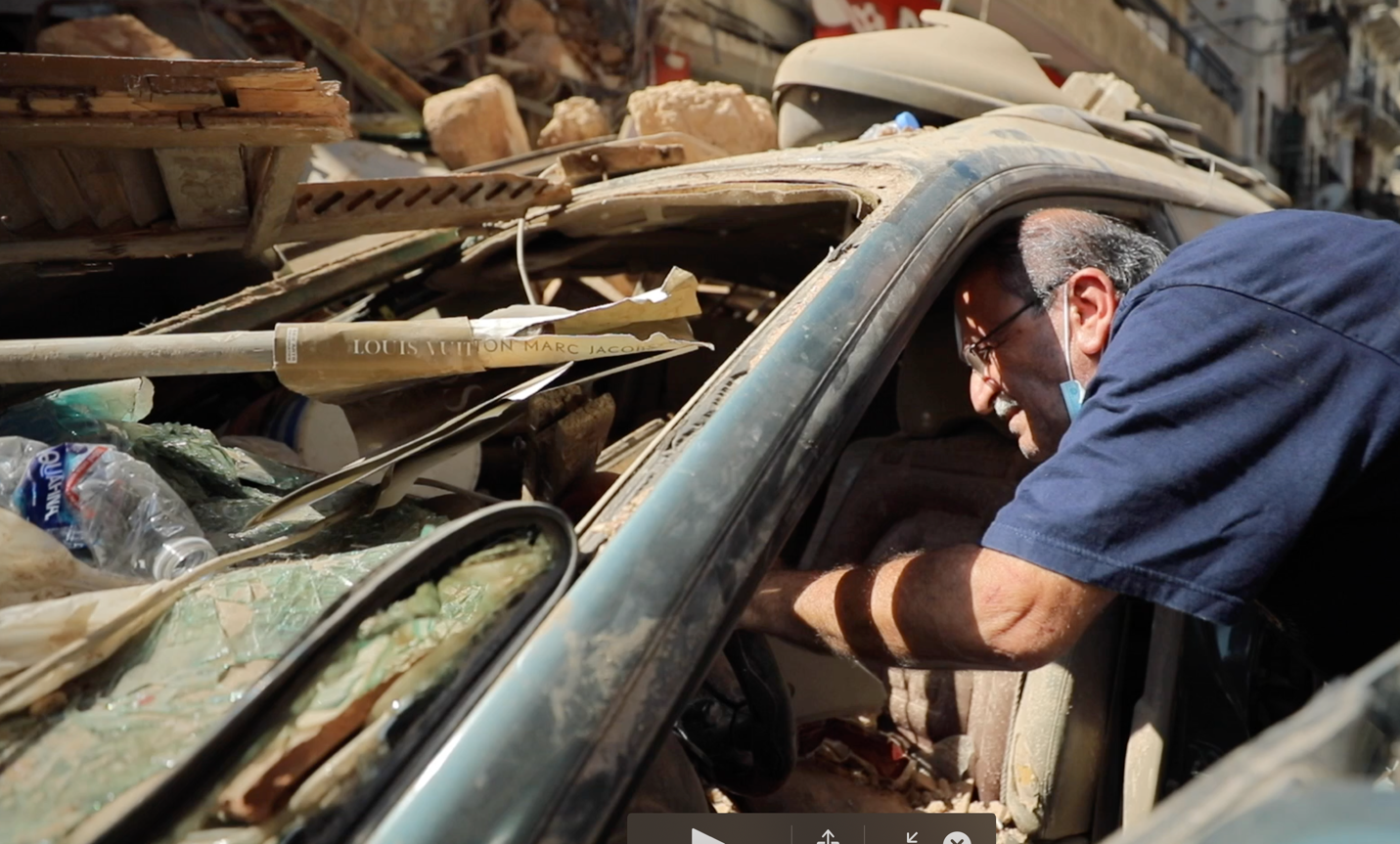
Naseem recalls all of these painful memories and smiles. "I've survived through all of that," he said in a powerful tone.
Before the blast, Lebanon's economy had been the worst in years. In the middle of that economic crisis, the COVID-19 pandemic plunged the nation to the rock bottom. In the past few months, Naseem had been barely making a living.
"I earned enough to feed me and my spouse. I don't have any other expenses. I've lived through the war. I was displaced many times. I've lost five houses in six years… My kids have grown up now, they're married. All what we need is just food."
On the pavement, right next to the wrecked vehicle, Naseem's wife Mounira Khouri sits watching the rescue efforts. Her eyes seem to be wondering endlessly in a gush of thoughts.
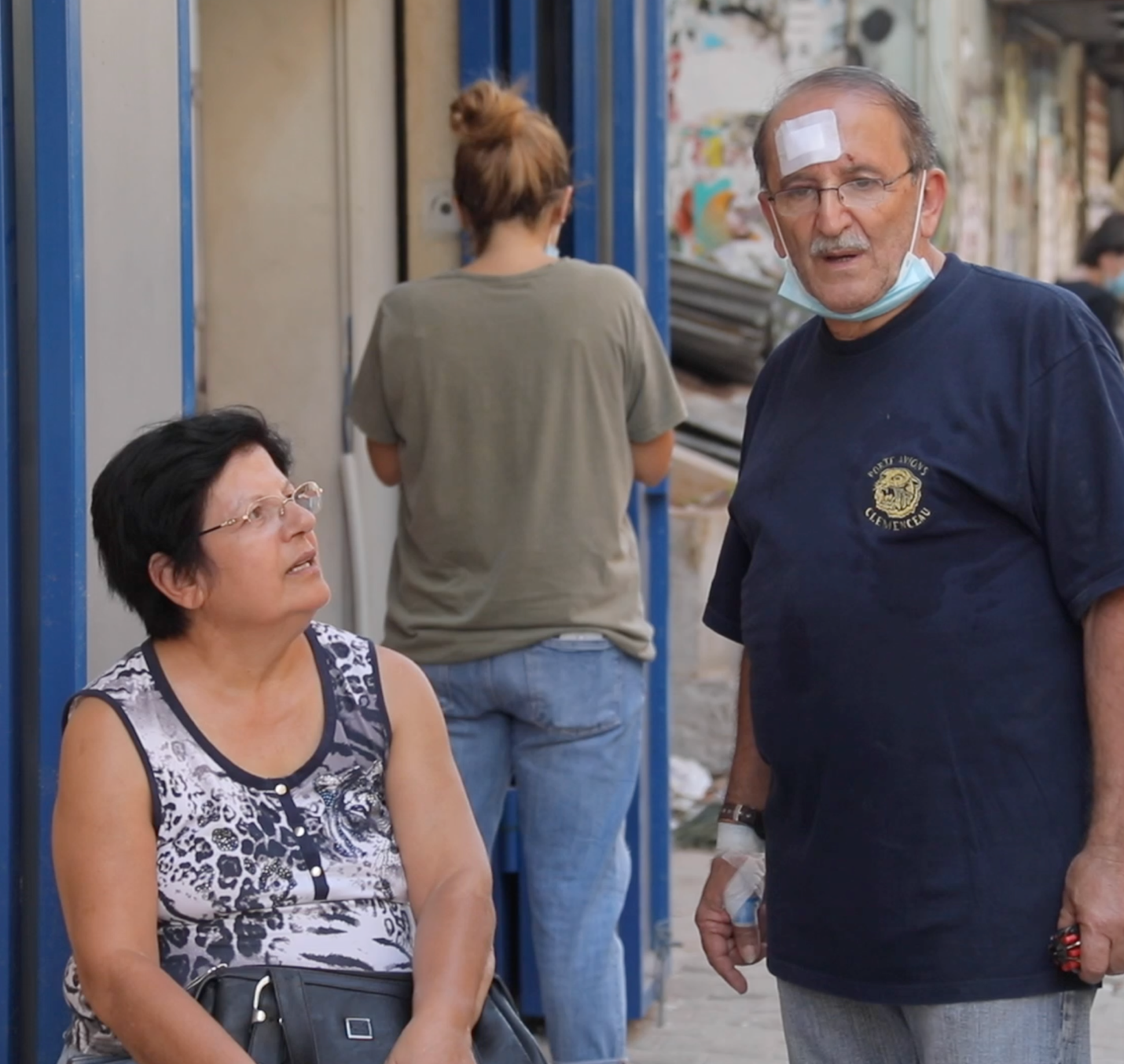
Here is yet another disaster Lebanon goes through, and her family, like tens of thousands others, are paying the price for it.
"We've been through many wars. The explosion was the hardest for me. I feared my husband was dead. That's the most painful feeling I ever had," said Mounira with a smile as bright as her husband's.
She is thankful Naseem survived, but she's still worried about what happens next.
"Our car was destroyed, it's our only source of income. I have no idea how we can get another one… I'm very concerned, whenever we take a step forward, we're pushed 10 steps back, we can't get on our feet."
Naseem takes out his mobile phone and circles around the car, taking photos. He needs to file a report to the authorities to get some compensation, otherwise there is no way he could buy another taxi.
"I don't have insurance, I don't have a pension. They say the high relief council will help us. If not, I must buy another car. I'll try to get loans, if I can, but probably because of my age, I won't be eligible. … I am too worried. If I get sick, I won't have money to see a doctor. The money I have could be enough for one week. I'm not sure how will I manage afterwards. Maybe my kids can support me for sometime."
Naseem's future is as vague as Lebanon.