- Home
- China
- World
- Asia-Pacific
- Americas
- Europe
- Middle-East and Africa
- Politics
- Business
- Opinions
- Tech & Sci
- Culture
- Sports
- Travel
- Nature
- Picture
- Video
- Live
- TV
- Specials
- Learn Chinese


Share







Copied
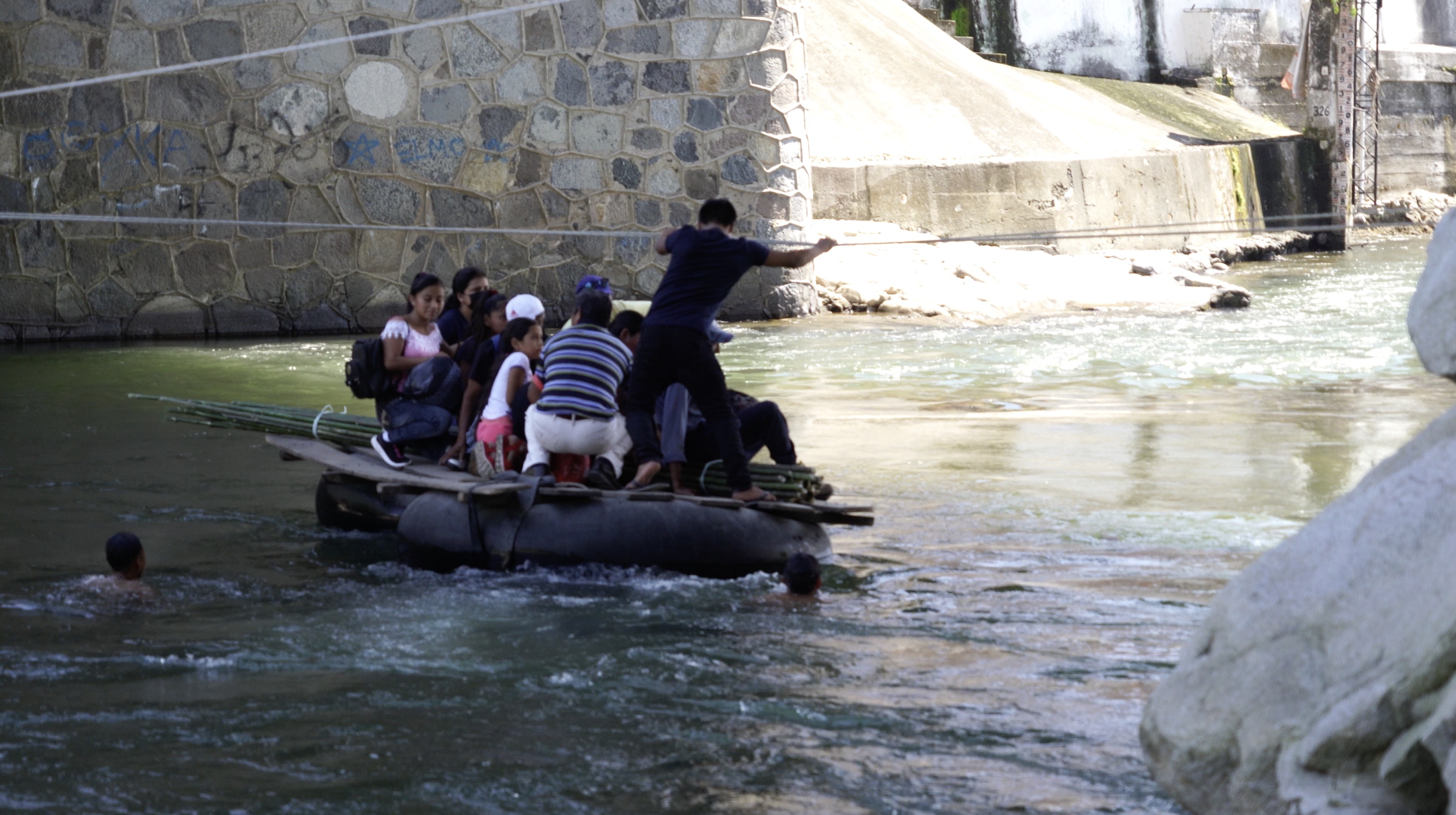
Rafts across the Suchiate River. /CGTN
At Mexico's southern border, where Central America meets Mexico, the rumbling Suchiate River, descending from the slopes of the volcanic mountain terrain, also sees a constant flow of people.
Given the ongoing migration crisis in Latin America and the Caribbean, migrants from across the world: Central Americans, Colombians, Haitians, Africans, Ukrainians, Uzbekistanis, Afghans, Indians – 10,000 a month according to local migration authorities – are crossing the border into Mexico. All of them have the intention of moving north, toward the United States.
But it's not easy. While rafts carrying migrants may move constantly back and forth, and stepping onto Mexican soil is simple, the challenge is moving further into the country. Fifteen kilometers from the river, and the international border, is the town of Tapachula.
The first goal on the migrant route through Mexico and home to 350,000 people, Tapachula is now a sanctuary city for migrants: a place where they are permitted to remain while their humanitarian visas are processed, but not permitted to migrate further into the country.
But between the border and Tapachula, migration patrols and National Guard checkpoints line the route. Migrants must move at night and avoid the main roads, cutting through fields of papaya, banana groves and herds of cattle who are easily spooked. Houses and residents along the route complain of thieves, stealing whatever they can grab in the hope of selling it in town.
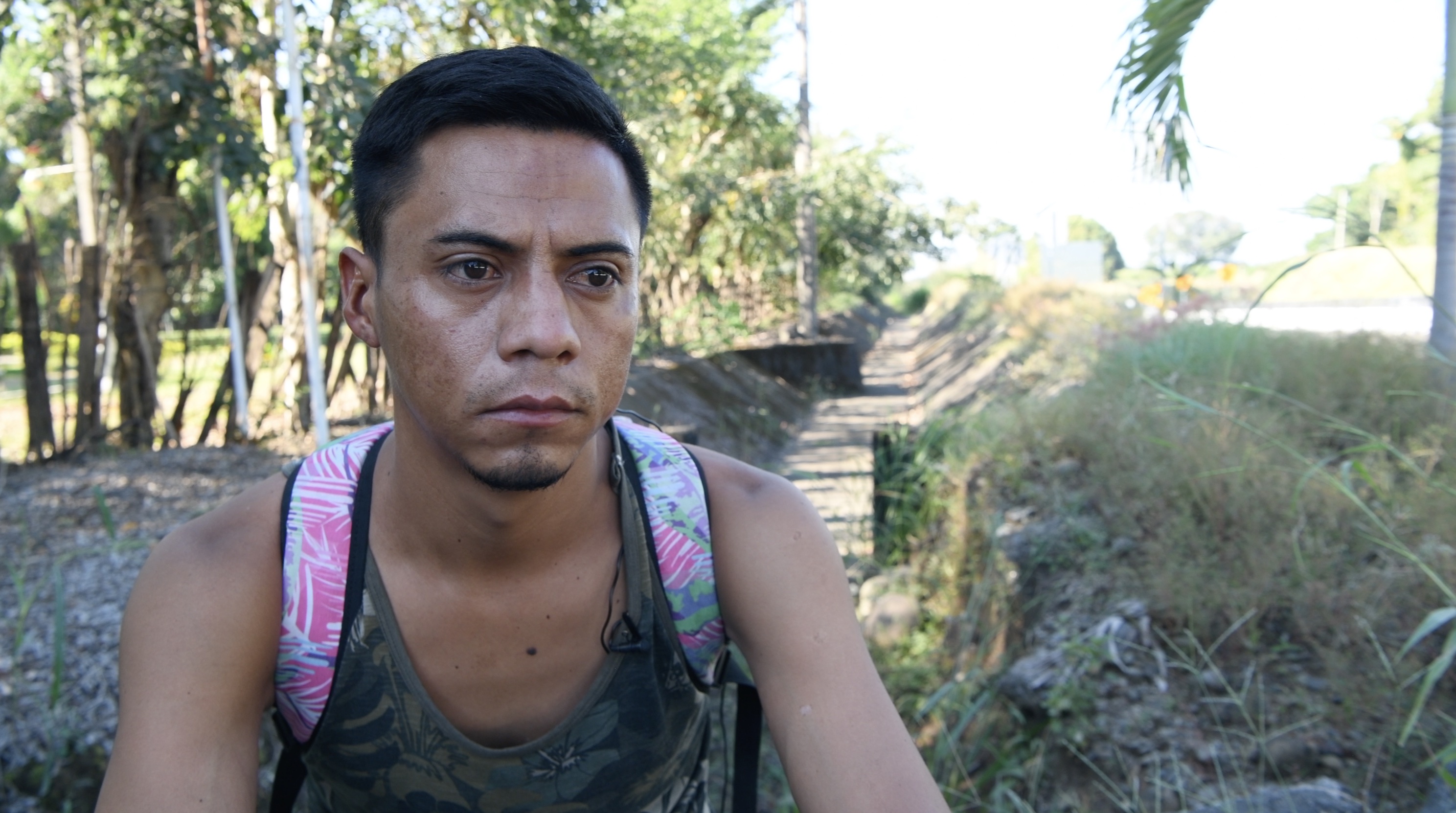
Reyes Humberto, a migrant from Honduras. /CGTN
Reyes Humberto, a migrant from Honduras, was nearly there when CGTN met him and his companions. With just 2 kilometers to go before reaching Tapachula, it had not been an easy walk.
"We set off at 4 a.m., and avoided the roads," he said. "When you see a migration patrol or soldiers, you run and hide. It's like playing cat and mouse."
But while reaching Tapachula may have been the first challenge, it's a long way from the migrants' ultimate goal: the U.S. border.
"I won't stay in Tapachula long, there's nothing for me there," said Reyes, as he approached the overhead sign welcoming him to town. "My dream is to reach the U.S., to get a better life."
But with 60,000 further migrants just like him, currently waiting in Tapachula for a chance to head north, it's every man or women for themselves at Mexico's southern border.
