- Home
- China
- World
- Asia-Pacific
- Americas
- Europe
- Middle-East and Africa
- Politics
- Business
- Opinions
- Tech & Sci
- Culture
- Sports
- Travel
- Nature
- Picture
- Video
- Live
- TV
- Specials
- Learn Chinese


Share







Copied
The Cumbre Vieja volcano has been erupting for about three months, but two days of inactivity this week have given scientists in Spain a chance to study the area.
The rivers of lava that flowed near the Tacande neighborhood on La Palma in the Canary Islands have mostly cooled, and now geologists are studying the volcanic formations and deposits.
The eruption, which began on September 19, is the longest on record on La Palma, off northwest Africa.
The volcano fell silent on Monday evening, and scientists said its 36 hours or so of negligible activity might signal the beginning of the end of the eruption, according to AP. Low levels of activity for 10 days must occur before an eruption can be officially declared over.

The rivers of lava that flowed near the Tacande neighborhood on the Canary Island of La Palma, Spain, have mostly cooled, and now geologists are studying the volcanic formations and deposits. /Reuters
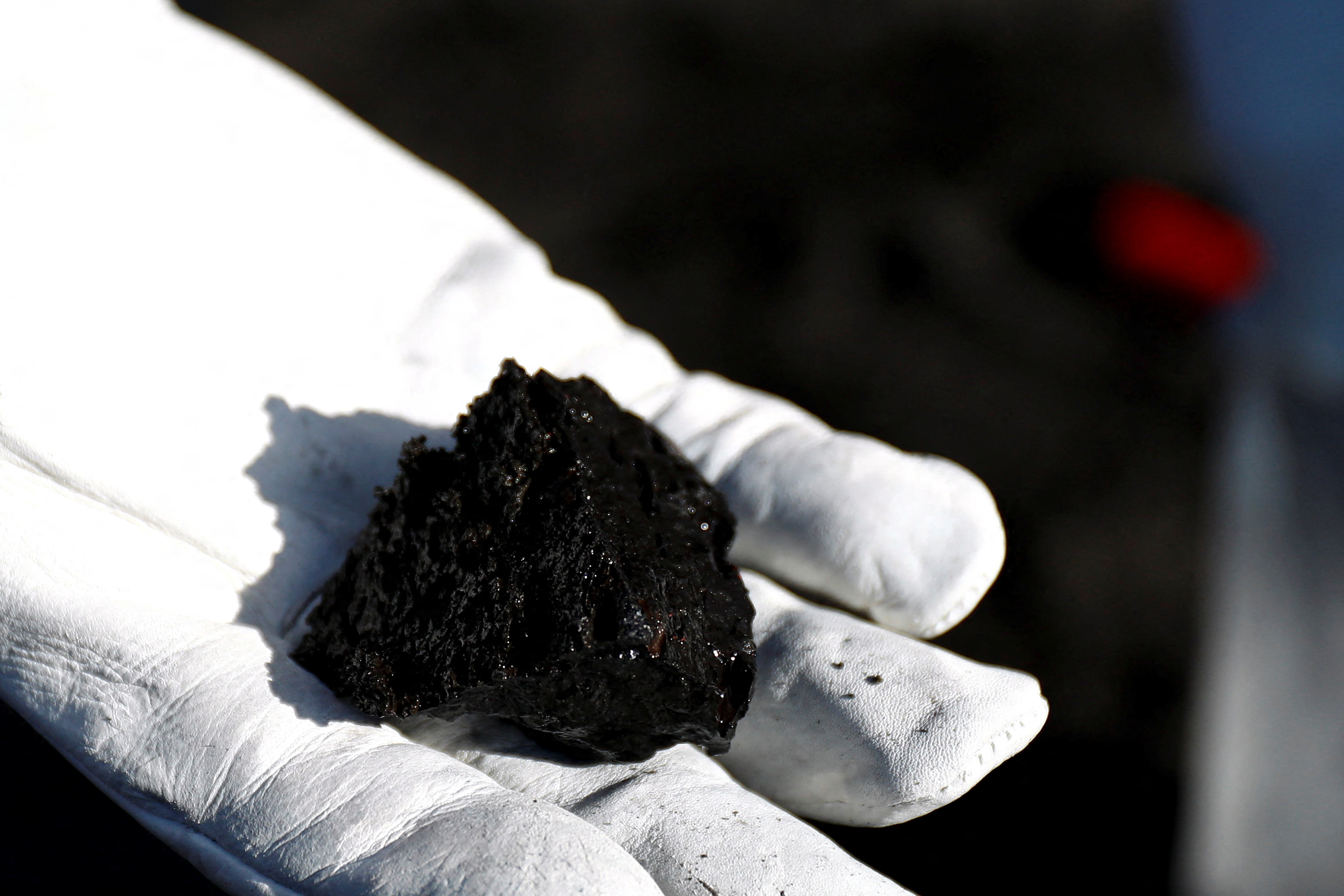
The rivers of lava that flowed near the Tacande neighborhood on the Canary Island of La Palma, Spain have mostly cooled, and now geologists are studying the volcanic formations and deposits. /Reuters
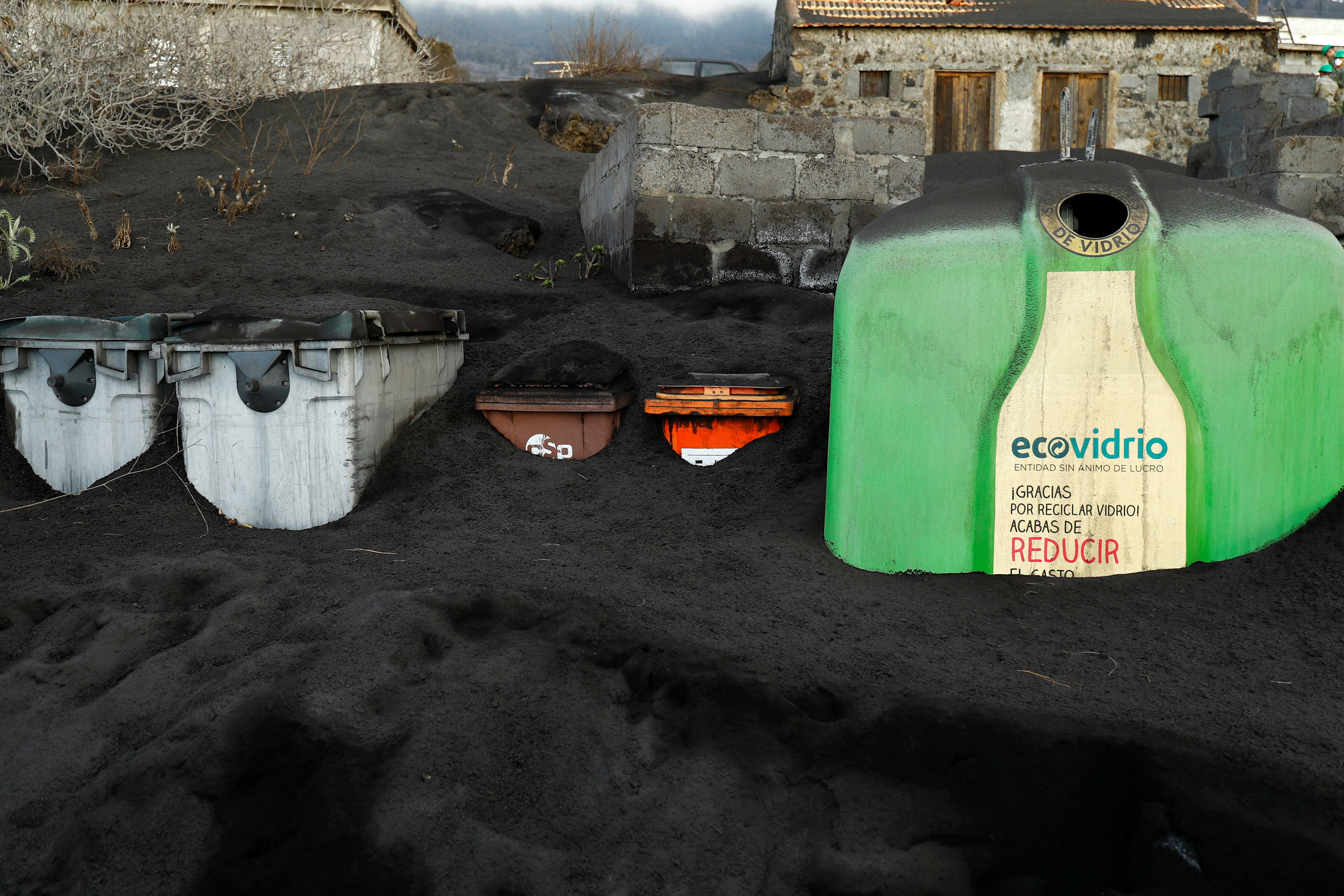
The rivers of lava that flowed near the Tacande neighborhood on the Canary Island of La Palma, Spain, have mostly cooled, and now geologists are studying the volcanic formations and deposits. /Reuters
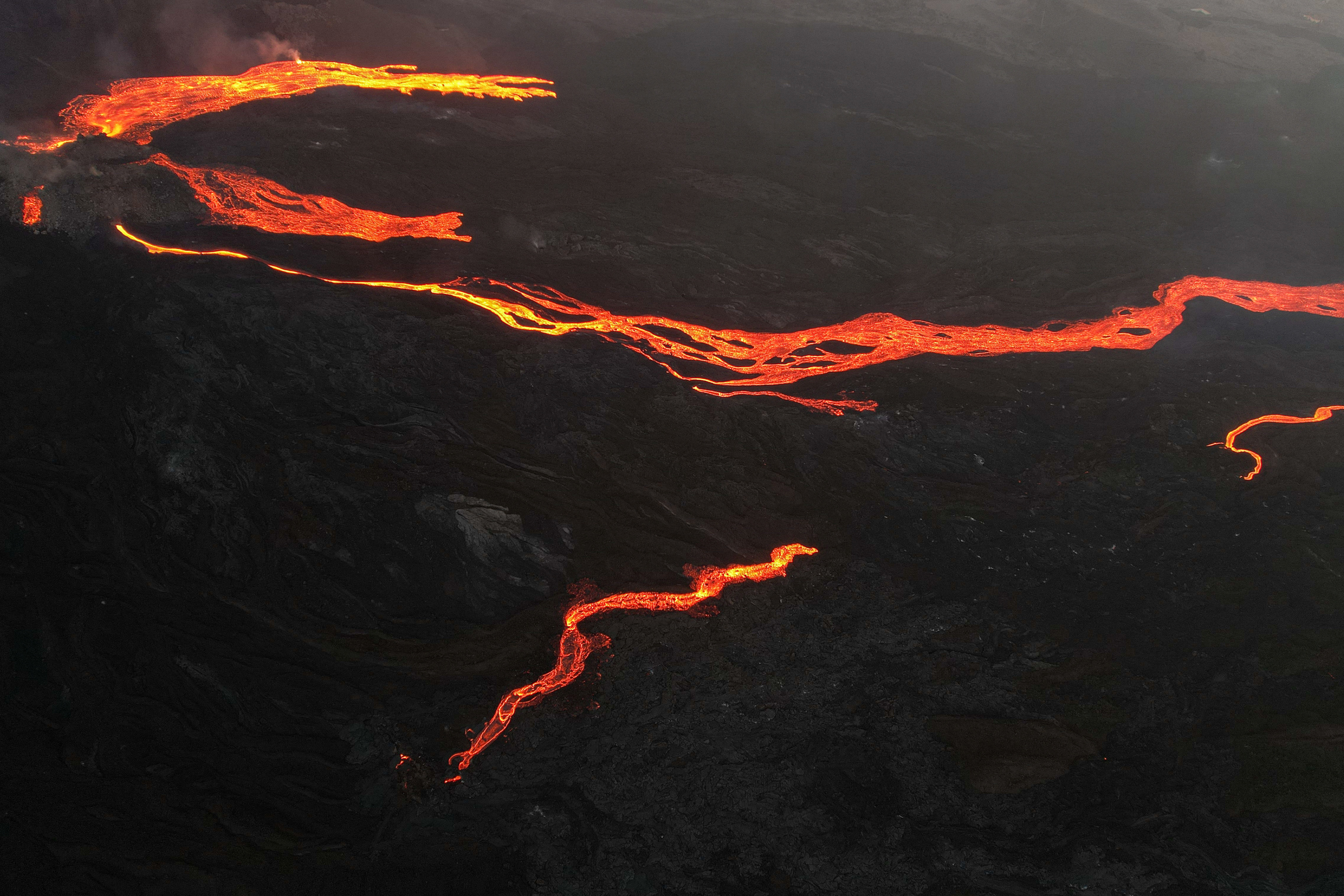
The rivers of lava that flowed near the Tacande neighborhood on the Canary Island of La Palma, Spain, have mostly cooled, and now geologists are studying the volcanic formations and deposits. /Reuters
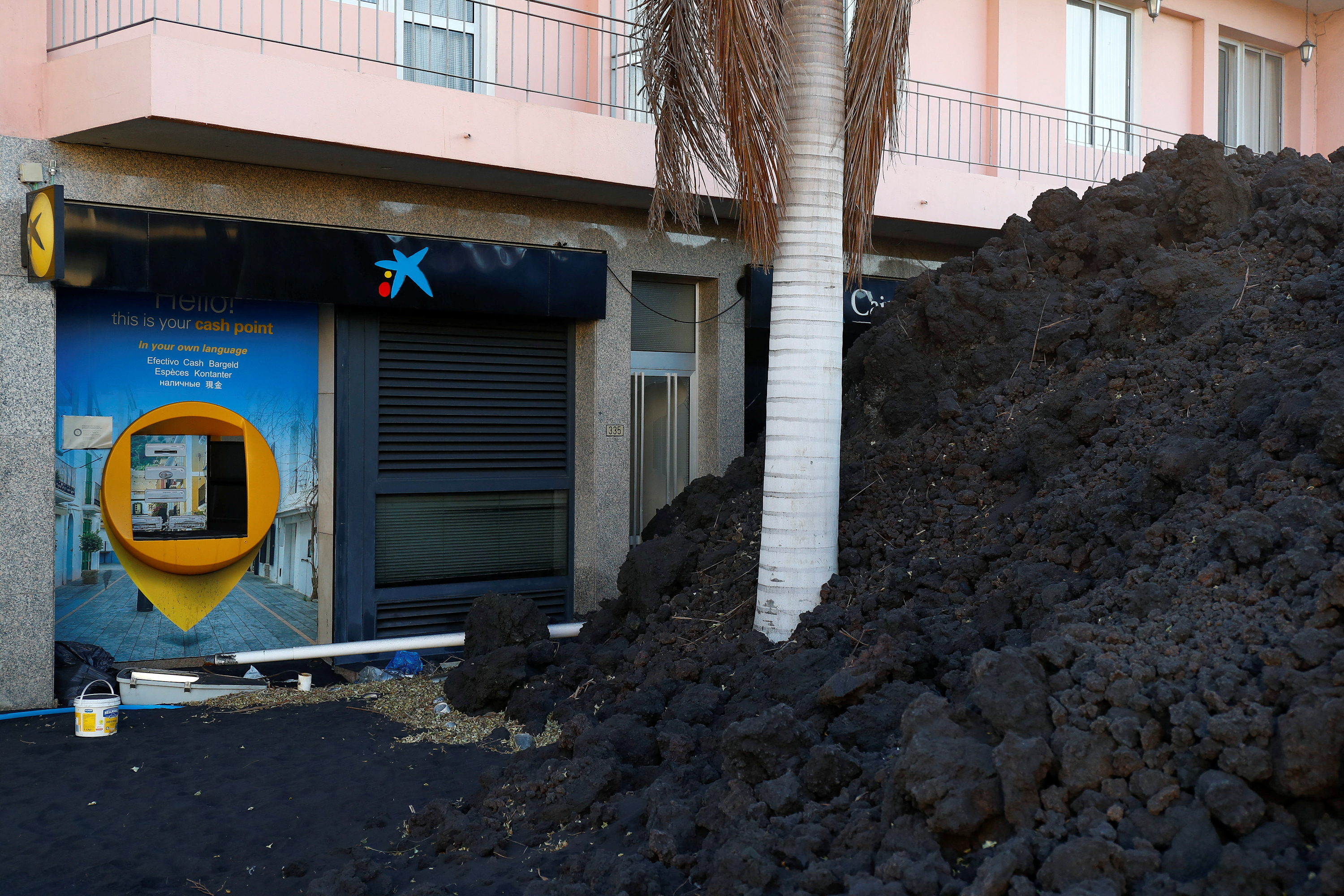
The rivers of lava that flowed near the Tacande neighborhood on the Canary Island of La Palma, Spain, have mostly cooled, and now geologists are studying the volcanic formations and deposits. /Reuters

The rivers of lava that flowed near the Tacande neighborhood, on the Canary Island of La Palma, Spain, have mostly cooled, and now geologists are studying the volcanic formations and deposits. /Reuters
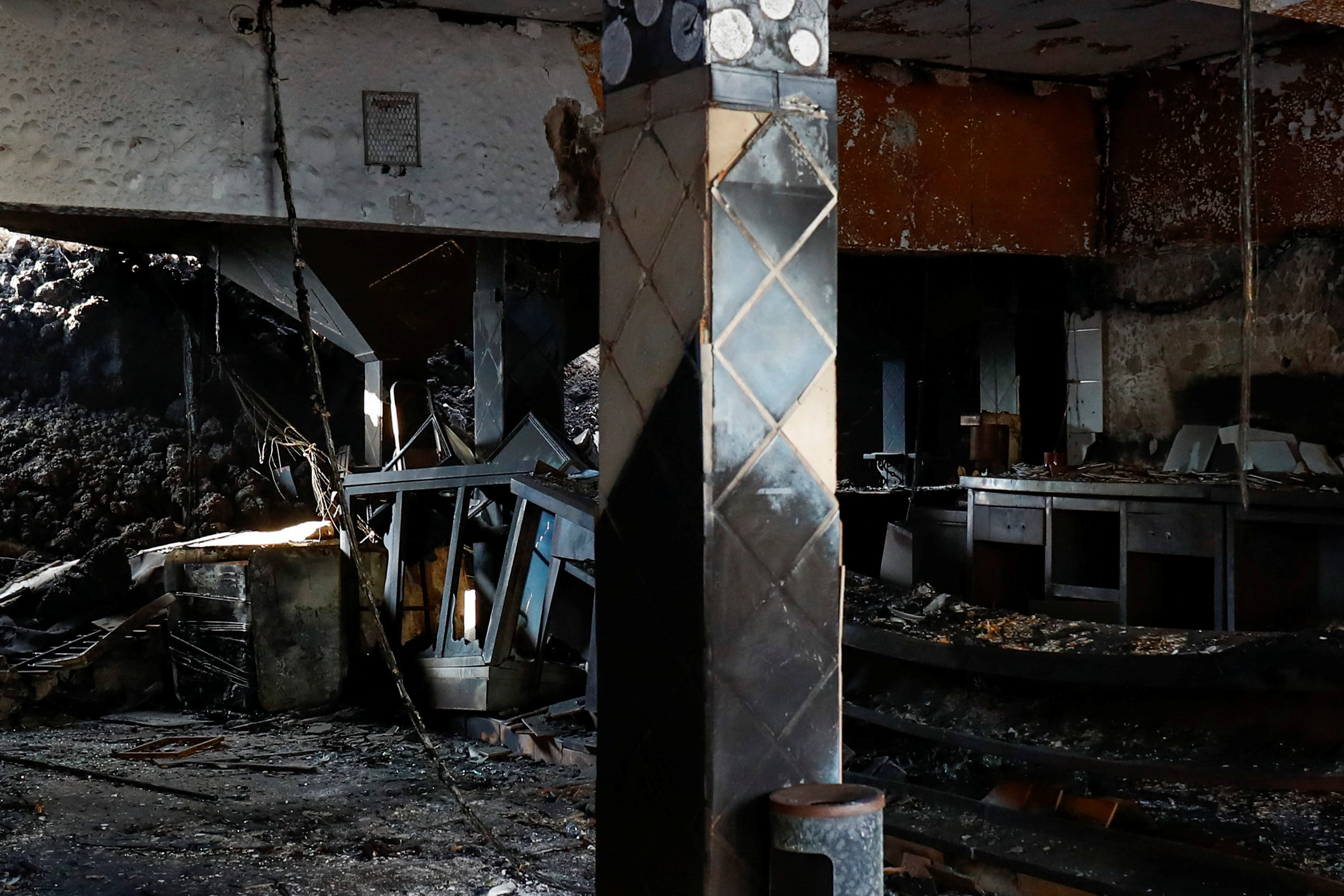
The rivers of lava that flowed near the Tacande neighborhood on the Canary Island of La Palma, Spain, have mostly cooled, and now geologists are studying the volcanic formations and deposits. /Reuters
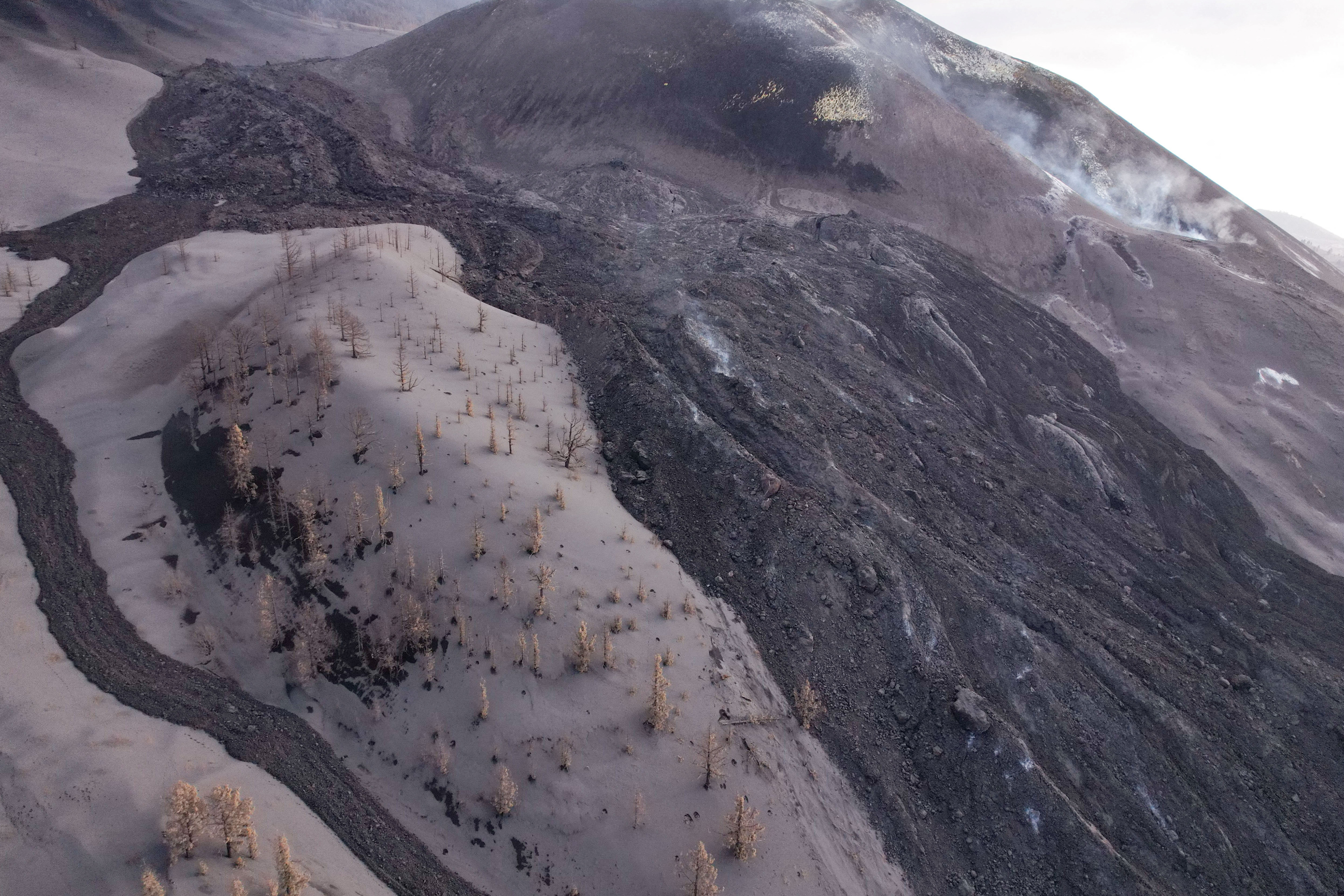
The rivers of lava that flowed near the Tacande neighborhood on the Canary Island of La Palma, Spain, have mostly cooled, and now geologists are studying the volcanic formations and deposits. /Reuters
(If you want to contribute and have specific expertise, please contact us at nature@cgtn.com.)
