- Home
- China
- World
- Asia-Pacific
- Americas
- Europe
- Middle-East and Africa
- Politics
- Business
- Opinions
- Tech & Sci
- Culture
- Sports
- Travel
- Nature
- Picture
- Video
- Live
- TV
- Documentary
- Radio
- Specials
- Learn Chinese


Share







Copied
How do you restore a river? CGTN recently found out how one river in the coal city of Fuxin in northeastern China's Liaoning Province is working to rehabilitate its natural processes and biodiversity.
The Xi River in Fuxin was blacklisted by the central government eight months ago, reinforcing that tackling water pollution remains a priority for state agencies.
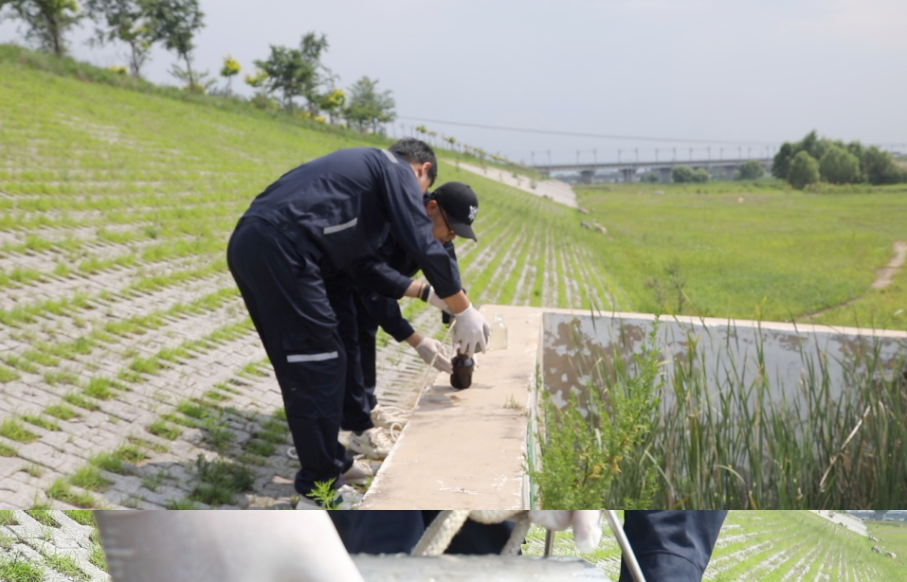
Officers from Liaoning Ecology and Environment Bureau make a surprise visit to the city's largest residential sewage treatment plant.
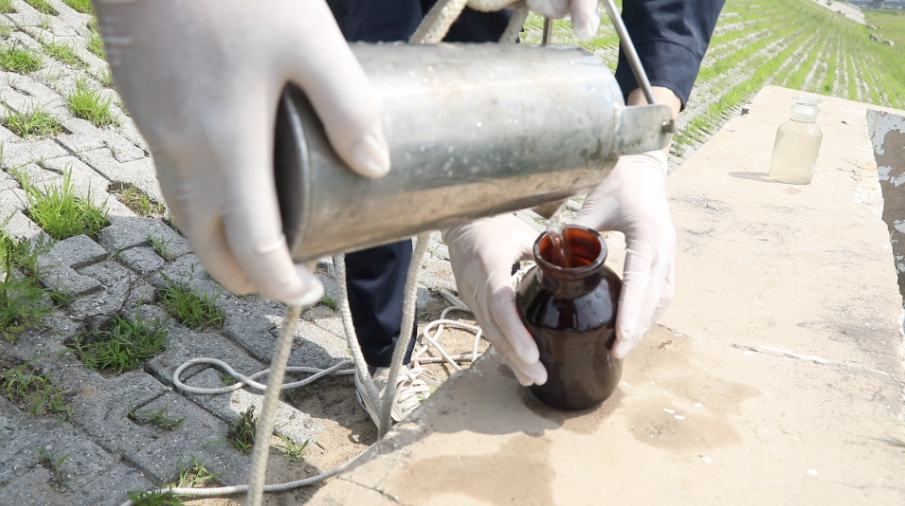
The officers take a sample right from the discharge point.
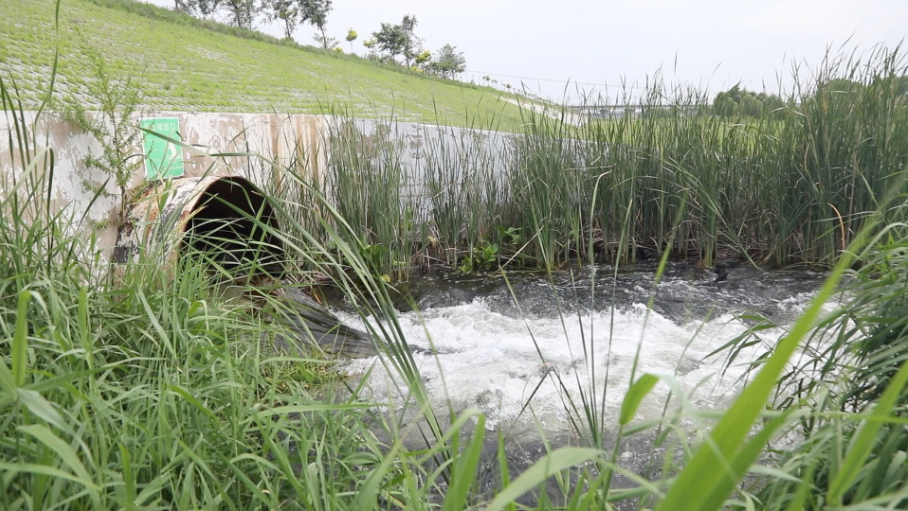
At one time, no one would eat fish caught in the Xi River.
"The biggest problem we used to face was that the rainfall together with other types of wastewater had entered our plant due to the poor maintenance of the water inlet system," said Zhang Min, the manager of the Beikong residential sewage treatment plant, the city's largest. "Much of the residential sewage hadn't been treated properly before discharge."
Classified as a resource-depleted city, Fuxin has gone through glory and sorrow having once had Asia's biggest open-cast coal mine. But the thriving economy brought about by the coal industry back glossed over environmental problems. The illegal discharge of sewage from chemical plants and the failure to hold them to account resulted in severe ecological damage.
The water quality of Xi River didn't even reach grade V, the lowest level of China's water quality classification. Surface water quality is divided into five classes in China, with Grade I being the best, while water below Grade V is too polluted even for farm irrigation.
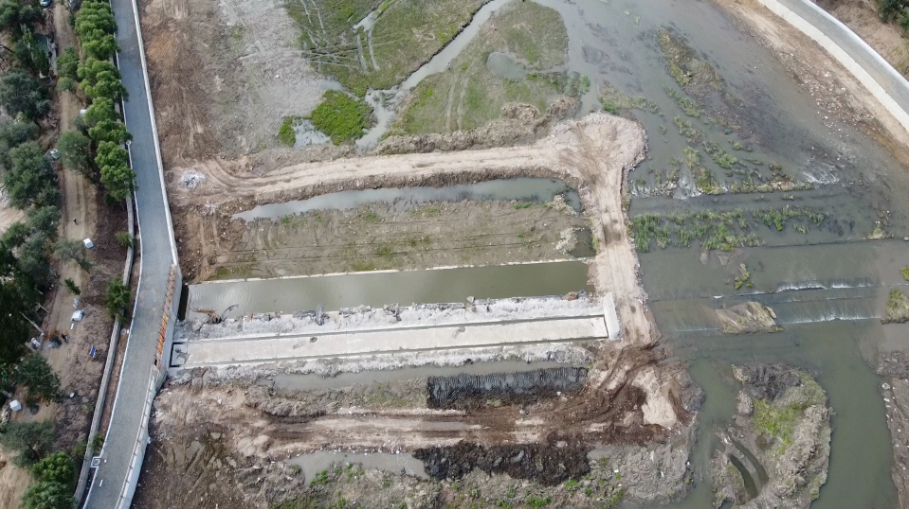
The water quality of Xi River didn't even reach grade 5, the lowest level of China's water quality classification, according to an investigation launched by the central government last November.
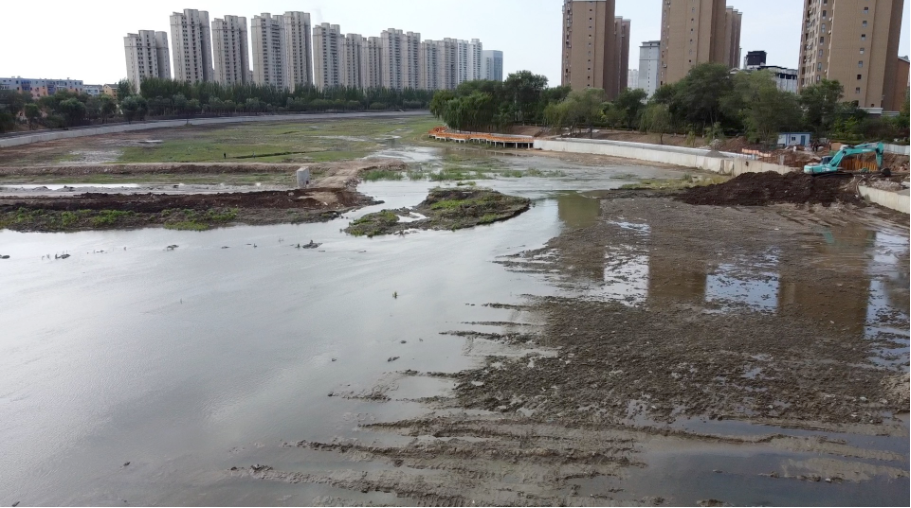
Yang Yong, a local community secretary, told CGTN: "It was a black and stinky river... No one would come here, and no one dared to eat the fish caught from the river. It really shouldn't be like this; it was our mother river."
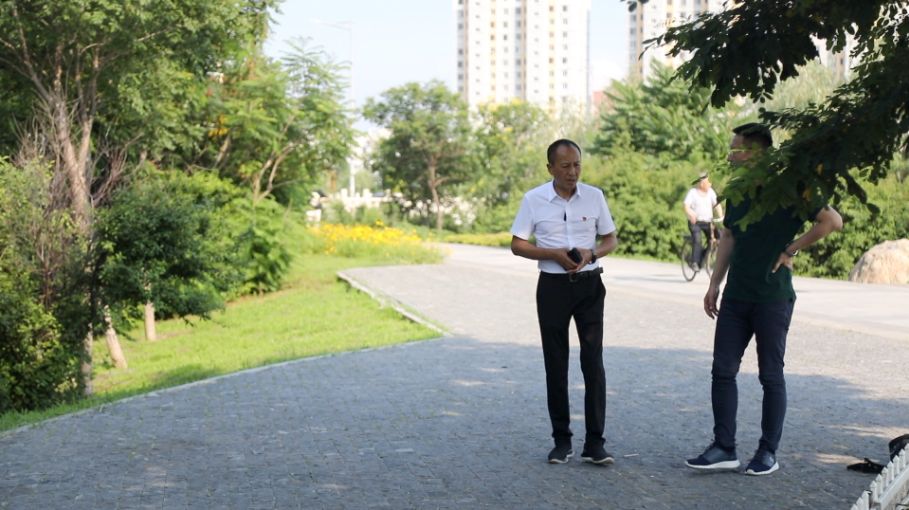
A local community secretary told CGTN that the Xi River was once black and stinky.
To fight pollution, the city's industrial sewage treatment plant has been upgraded. Its inlet valves will now close automatically if the system detects pollutants that are not in compliance with quality standards.
"Two key jobs were conducted during the restoration project. One was repairing the upstream ecology by diverting fresh water into the river, and the other was removing all the discharge points, hence all the wastewater was diverted into the sewage treatment plants," Chen Chao, the head of the water environment office in Fuxin, told CGTN.
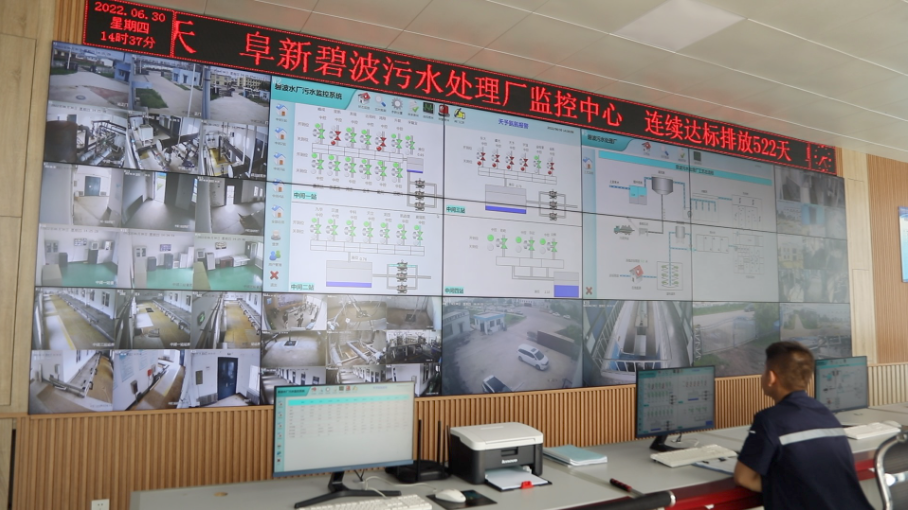
The city's industrial sewage treatment plant has been upgraded.

Chen Chao told CGTN that after the restoration project, the water quality of the Xi River has improved significantly.
CGTN's visit coincided with a surprise visit to the sewage treatment plant by officers of the Liaoning Ecology and Environment Bureau. At the end, the officers expressed satisfaction with the progress of the restoration, saying they would recommend the lifting of the Xi River's water quality to grade III.
(All photos taken by CGTN.)
(If you want to contribute and have specific expertise, please contact us at nature@cgtn.com.)
