
Share







Copied
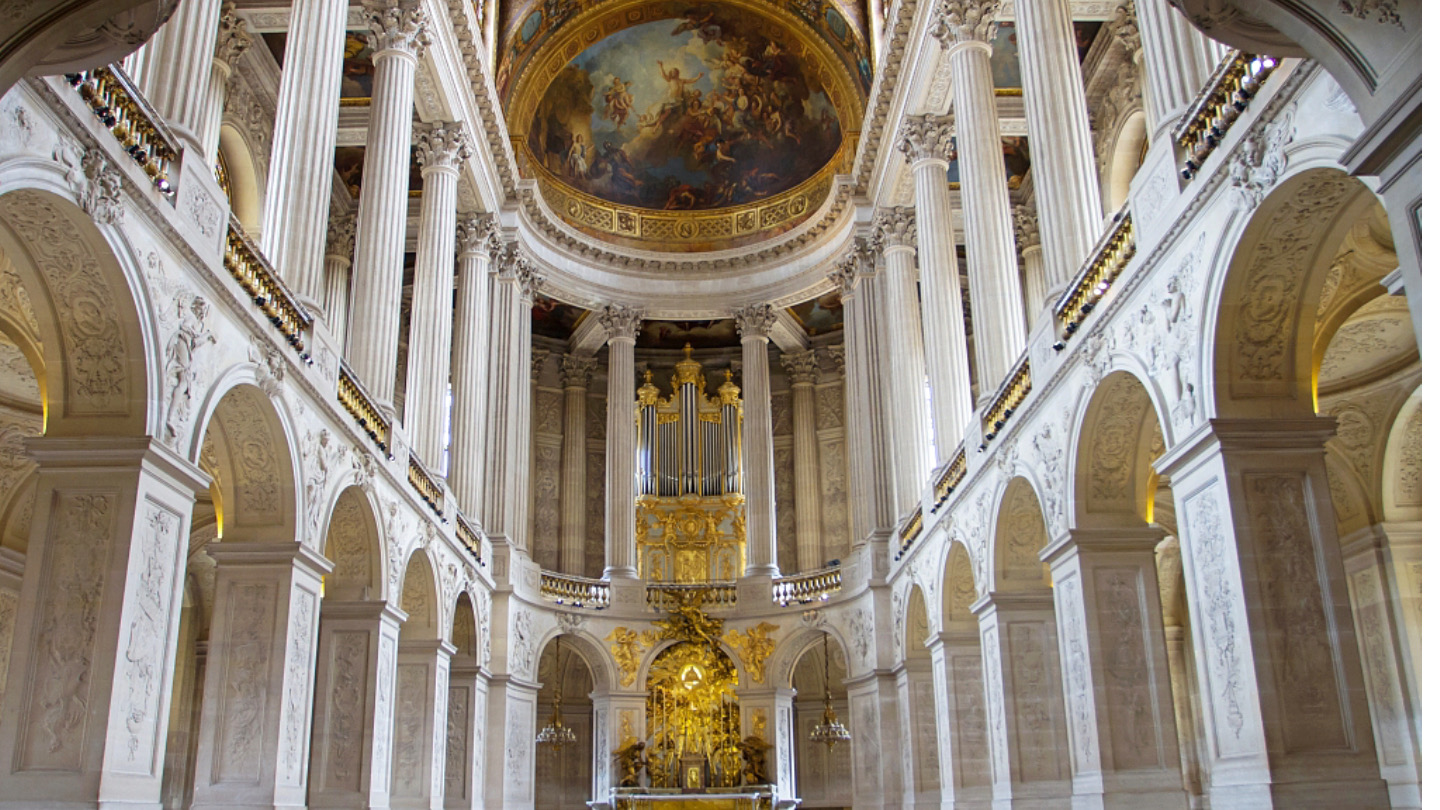
Digital technologies have been used for years in many fields. Nowadays, multimedia and advanced technological innovations are widely used in museums and cultural heritage sites around the world.
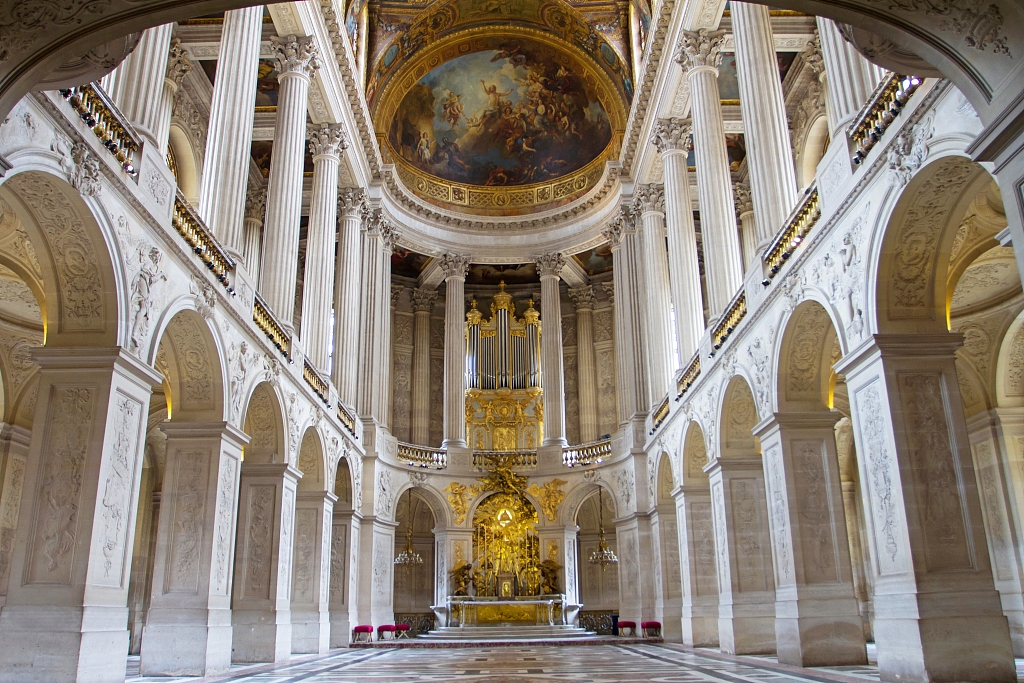
The Palace of Versailles in Paris, France. /CFP
The Palace of Versailles, one of the world's must-see destinations, welcomes thousands of visitors every day. And for those who are unable to fly to France, the palace isn't out of reach.
In 2021, an exhibition in Shanghai offered a virtual reality experience for visitors to enjoy their ‘France trip.’ It's an example of what's possible with digital technology. And now the application of digital technologies is widespread, both for the public and for academic purposes.
“The digital technologies allow us to reach new audiences, especially a younger generation. We have special things that we organize, which are more entertaining, such as video games, comics and the things like that. And also for scholarly things, we have databases, and we can go very deep into the history of Versailles and the collections. It's for all kinds of people,” said Laurent Salome, Director of the Palace of Versailles.
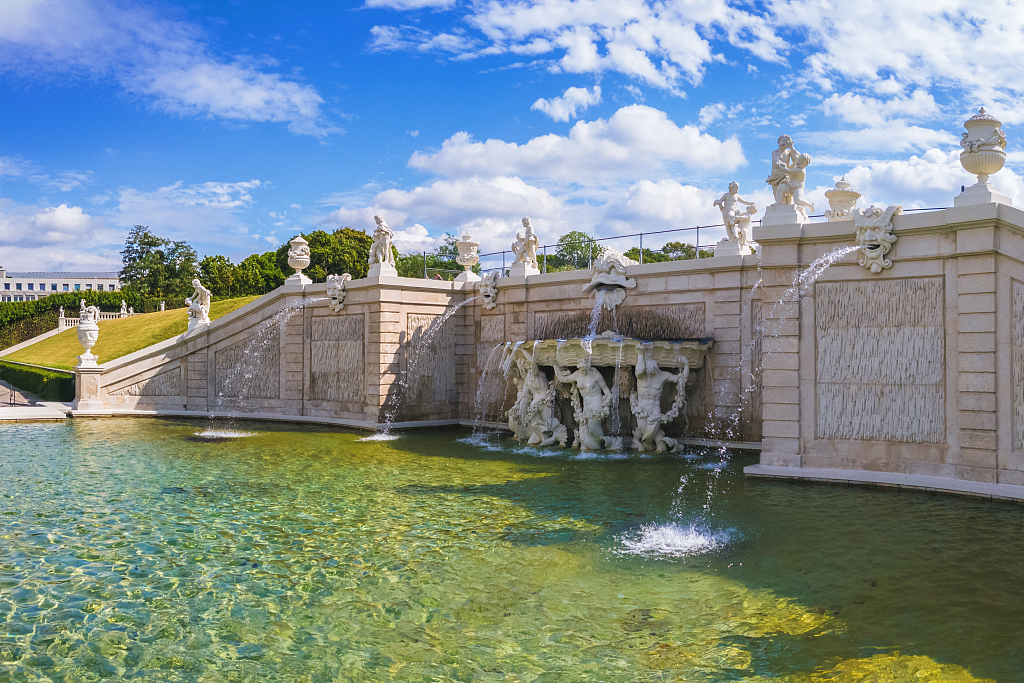
The Belvedere is a historic building complex in Vienna, Austria. /CFP
Located in Vienna, Austria, the Belvedere is one of the oldest museums in the world that apply advanced digital technologies for the public. As its slogan suggests: "experience and explore art where you are," and so the museum offers a diverse range of technologies, from digital libraries to VR videos.
“What we want to provide is a pre-visit within the visit and post-visit experience. We use digital media to interact with our audience, and also to promote our programs and exhibitions to them,” said Stella Rollig, Artistic Director of the Belvedere.
And in China, the Capital Museum in Beijing offers a large-scale exhibition about the Central Axis of Beijing. The exhibition combines traditional displays of cultural artifacts, photos and paintings with interactive installations to create an immersive experience for visitors.
“This exhibition is to promote the culture of the Central Axis of Beijing. As we know, the Central Axis is an important cultural heritage in Beijing. Without people's participation, no heritage is a living heritage,” Curator Gao Hongqing said.
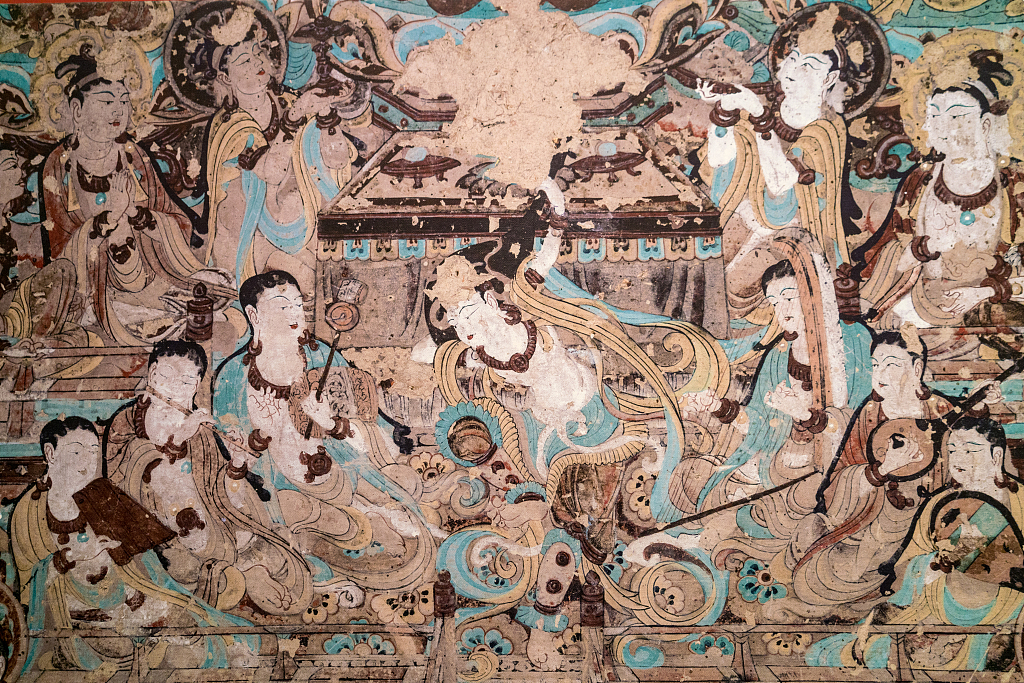
Photo shows a mural from the Mogao Caves in Dunhuang, Gansu. /CFP
Since 2017, the Dunhuang Academy has been working with the tech company Tencent to digitize artworks from the Mogao Caves, which was listed as a UNESCO World Heritage Site in 1987.
“We have recreated the Digital Library Cave, including the artifacts inside, with high quality images. Through the use of digital technology, we hope that people around the world will be able to experience the 1,000-year history of the Library Cave within just 10 minutes,” Li Hang said, vice-president for Corporate Marketing and Public Relations of Tencent.
Collaboration between global museums is becoming more frequent, and viewers are finding it easier to visit any wonder in the world in a virtual way.
Search Trends
SITEMAP
Copyright © 2023 CGTN. 京ICP备16065310号

Disinformation report hotline: 010-85061466
SITEMAP
Copyright © 2023 CGTN. 京ICP备16065310号
Disinformation report hotline: 010-85061466