
Share







Copied
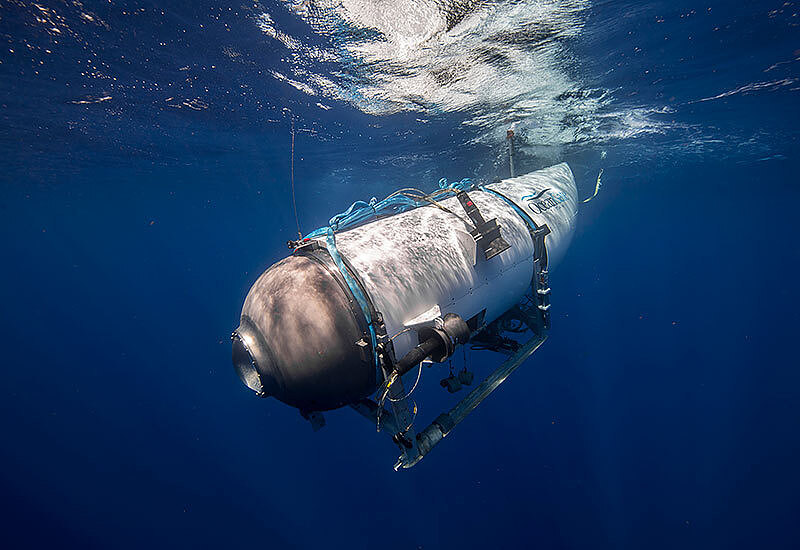
This undated image courtesy of OceanGate Expeditions, shows their Titan submersible beginning a descent. /CFP
A multinational search team crisscrossed the sea and skies above the century-old wreck of the Titanic for a fifth day on Thursday, seeking a tourist submersible that went missing with five people aboard and is just hours away from the presumed end of its air supply.
The minivan-sized submersible Titan, operated by U.S.-based OceanGate Expeditions, began its descent at 8 a.m. (1200 GMT) on Sunday. It lost contact with its surface support ship near the end of what should have been a two-hour dive to the site of the world's most famous shipwreck, in a remote corner of the North Atlantic.
The Titan set off with 96 hours of air, according to the company, meaning its oxygen tanks would likely be depleted some time on Thursday morning. How long the air would actually last, experts said, depended on various factors, such as whether the submersible still had power and how calm those aboard remained.
Still, the countdown to oxygen depletion poses only a hypothetical deadline, assuming the missing vessel was even still intact, rather than trapped or damaged in the punishing depths at or near the sea floor.
Rescue teams took hope in U.S. Coast Guard reports on Wednesday that Canadian search planes had recorded undersea noises using sonar buoys earlier that day and on Tuesday.
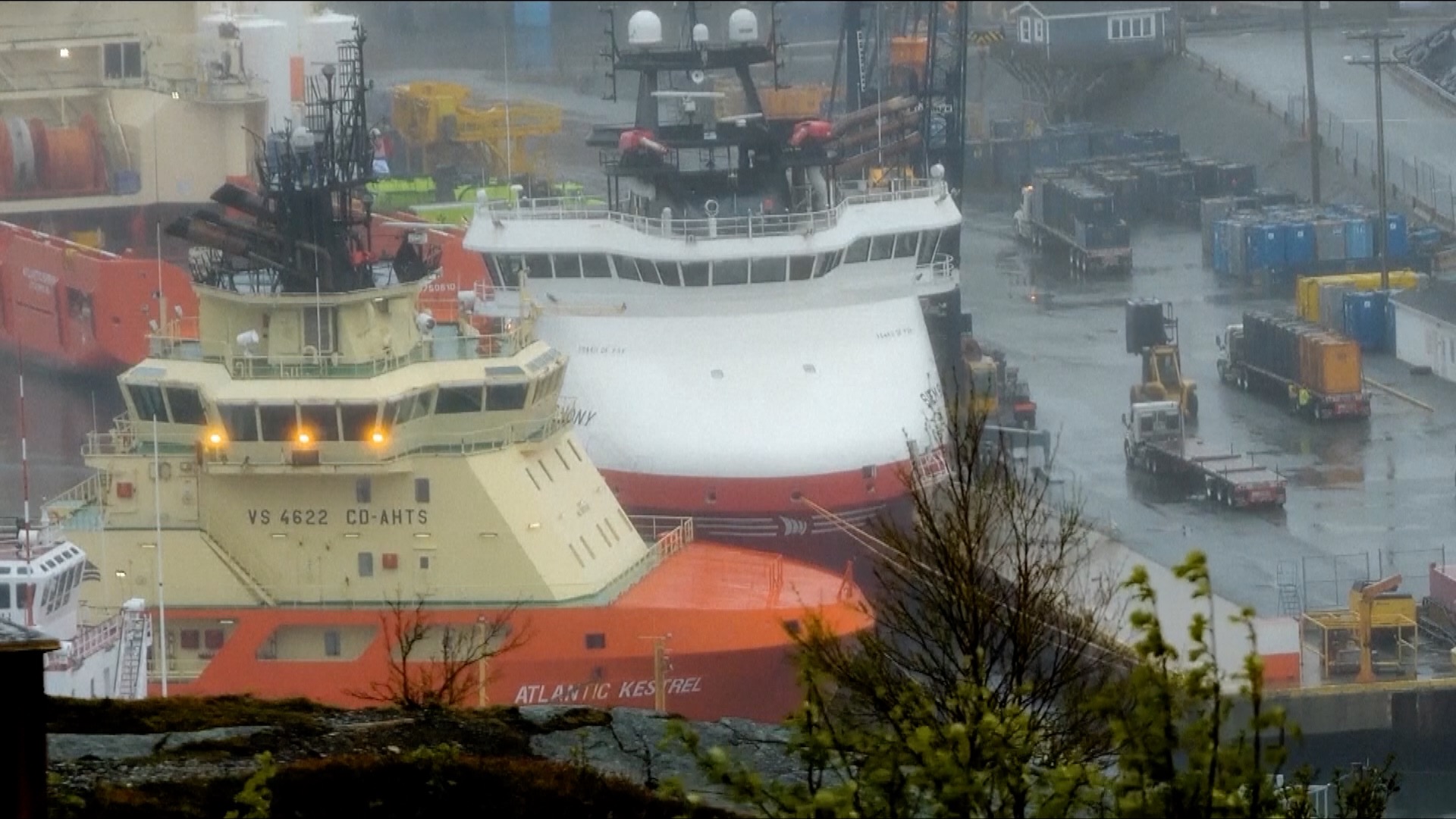
The Coast Guard said deployments of remote-controlled underwater search vehicles were redirected to the vicinity where the noises were detected to no avail, and officials cautioned that the sounds may not have originated from the Titan.
"When you're in the middle of a search-and-rescue case, you always have hope," Coast Guard Captain Jamie Frederick said at a press conference on Wednesday. "With respect to the noises specifically, we don't know what they are."
Frederick added that analysis of the sonar buoy data was "inconclusive."
In one highly anticipated addition to the search, the French research ship Atalante was en route late on Wednesday to deploy a robotic diving craft capable of descending to a depth well below that of even the Titanic's ruins more than two miles down, the Coast Guard said.
The French submersible robot, dubbed the Victor 6,000, was dispatched at the request of the U.S. Navy, which is sending its own special salvage system designed to lift large, heavy undersea objects such as sunken aircraft or small vessels.
The wreckage of the cruise ship Titanic sits on the ocean floor about 3,800 meters below the surface. Using a five-person submersible named Titan, OceanGate's website advertises a seven-night voyage to the Titanic for $250,000 per person with the money raised by tourists going toward Titanic research, local media reported.
(With input from Reuters)
Search Trends
SITEMAP
Copyright © 2023 CGTN. 京ICP备16065310号

Disinformation report hotline: 010-85061466
SITEMAP
Copyright © 2023 CGTN. 京ICP备16065310号
Disinformation report hotline: 010-85061466