
Share







Copied
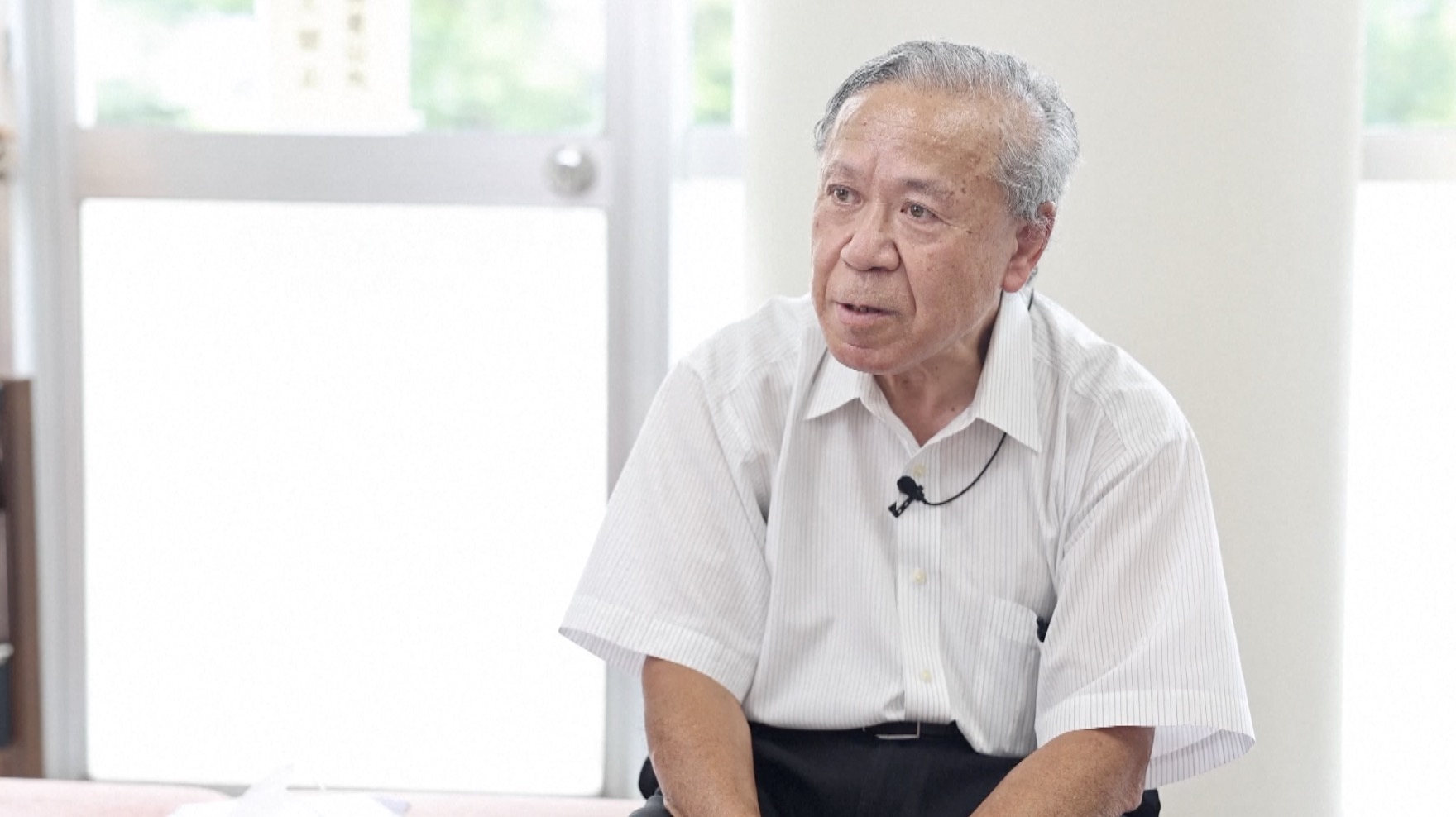
Hidekatu Fujikura in a recent interview. /CGTN
Most of Fukushima's residents are deeply concerned about the discharge of nuclear-contaminated water, hoping the government will revoke the decision, according to a senior local journalist.
Fukushima-born and raised Hidekatu Fujikura works at a local newspaper. At 71, the journalist is still dedicated to conveying the views of Fukushima people, experts and scholars who oppose the plan through newspapers.
"What is the mood of the fishery association and fishermen who have always opposed the sea-discharge plan, and how would the Japanese government and the Tokyo Electric Power Company (TEPCO) fulfill the written promise made eight years ago that they would not discharge the wastewater into the sea without the consent of people working in fishery and other relevant fields? These are the issues that Fukushima residents are most concerned about right now," Fujikura said in a recent interview.
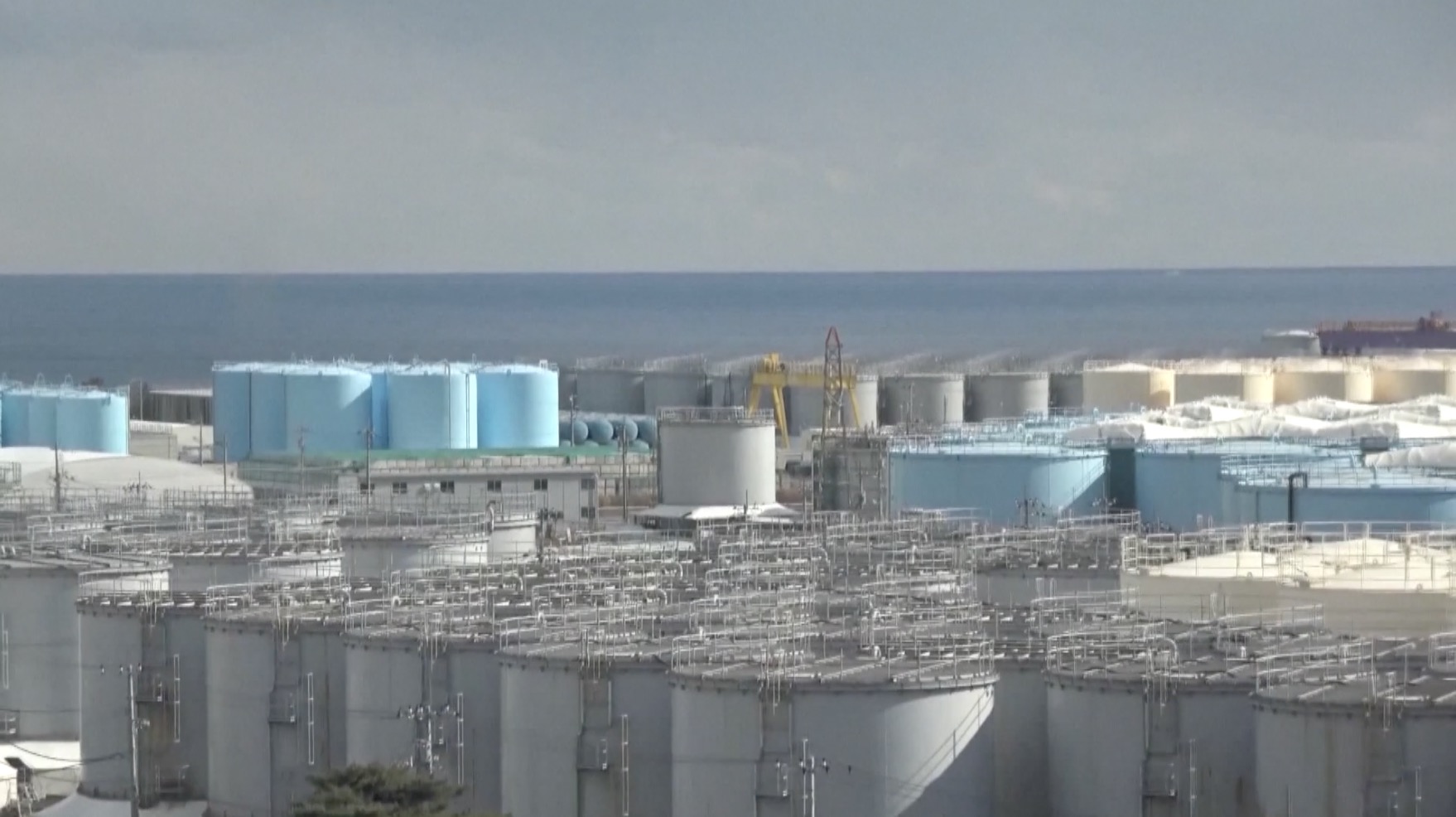
Fukushima Daiichi Nuclear Power Plant, nuclear-contaminated water storage tanks, March 2023. /CGTN
In April 2021, the Japanese government announced the decision to discharge the Fukushima Daiichi nuclear plant's contaminated water into the sea, which caused strong concerns and opposition from people across Japan, and the people of Fukushima were no exception.
Fujikura has interviewed dozens of experts and scholars, as well as local residents and fishermen, hoping that the government will listen to the voices of the people and withdraw the decision.
"No matter which survey you refer to, they all show that more than 60 percent of people are very disturbed and concerned about this. The Fukushima Minpo and some private newspapers have all published their survey results. The vast majority of people are very disturbed and concerned. I hope the government can listen to the voices of these people and handle the matter carefully," said Fujikura.
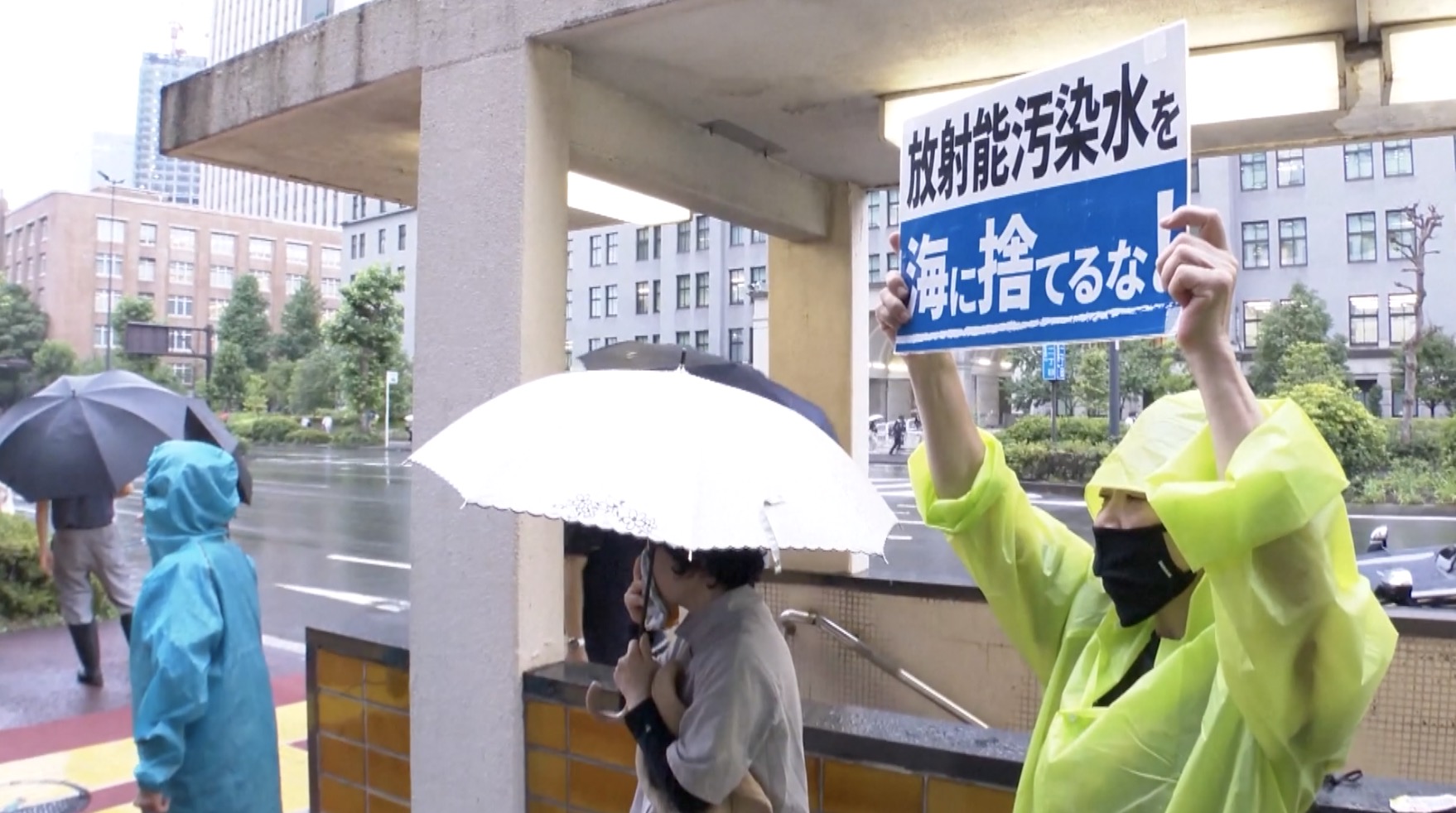
Protesters in front of the Ministry of Economy, Trade and Industry, June 2023. /CGTN
Fujikura said the number of Fukushima residents who left for refuge in other places after the Fukushima nuclear accident was far more than the number announced by the Reconstruction Agency, an agency the government set up in 2012 to coordinate reconstruction efforts related to the 2011 Tohoku earthquake and tsunami, and the Fukushima nuclear disaster. He believes that discharging the nuclear wastewater as soon as possible has become the "top priority" of the government in order to fake a post-disaster recovery.
"The Reconstruction Agency put the number of people who sought refuge at about 30,000, but it didn't include those who have no intention of returning home. According to a survey conducted by the Reconstruction Agency, a large part of the people who have taken refuge in other places do not want to return to their hometown, including the towns of Okuma, Futaba, Namie. Why? Because even if they go back, there are no jobs, no supermarkets nearby, no place to buy stuff. The land that had been farmed for generations can't be used for farming anymore. They can't live in their hometown. The nuclear accident that happened 12 years ago never ends. The government is making efforts to create the illusion that the nuclear accident is over. The reconstruction they are advancing is one without popular participation," said Fujikura.
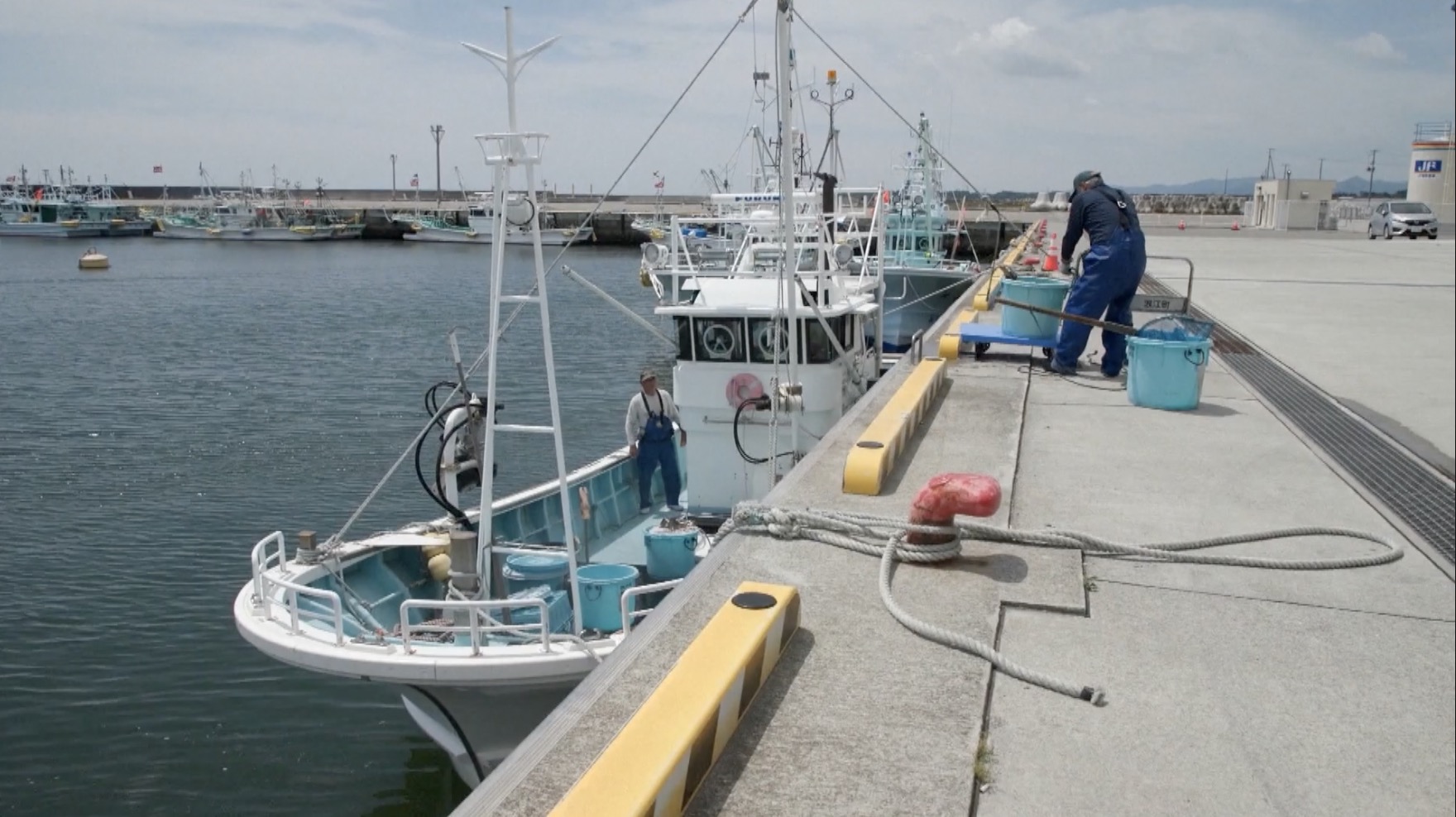
Fishing boats at a harbor in Fukushima, July 3, 2023. /CGTN
The International Atomic Energy Agency (IAEA) Director General Rafael Grossi started his four-day visit to Japan on Tuesday and met with Japanese Prime Minister Fumio Kishida to deliver the IAEA task force's final assessment report on the Advanced Liquid Processing System (ALPS) proposed in the government's discharge plan.
According to the report, the agency's safety review has concluded that Japan's plans to release treated water stored at the Fukushima nuclear power station into the sea are consistent with IAEA Safety Standards. It said that the discharges of the treated water would have a negligible radiological impact to people and the environment. But Grossi noted in the foreword of the report that the report is neither a recommendation nor an endorsement of Japan's policy.
(If you have specific expertise and want to contribute, or if you have a topic of interest that you'd like to share with us, please email us at nature@cgtn.com.)
Search Trends
SITEMAP
Copyright © 2023 CGTN. 京ICP备16065310号

Disinformation report hotline: 010-85061466
SITEMAP
Copyright © 2023 CGTN. 京ICP备16065310号
Disinformation report hotline: 010-85061466