
Share







Copied
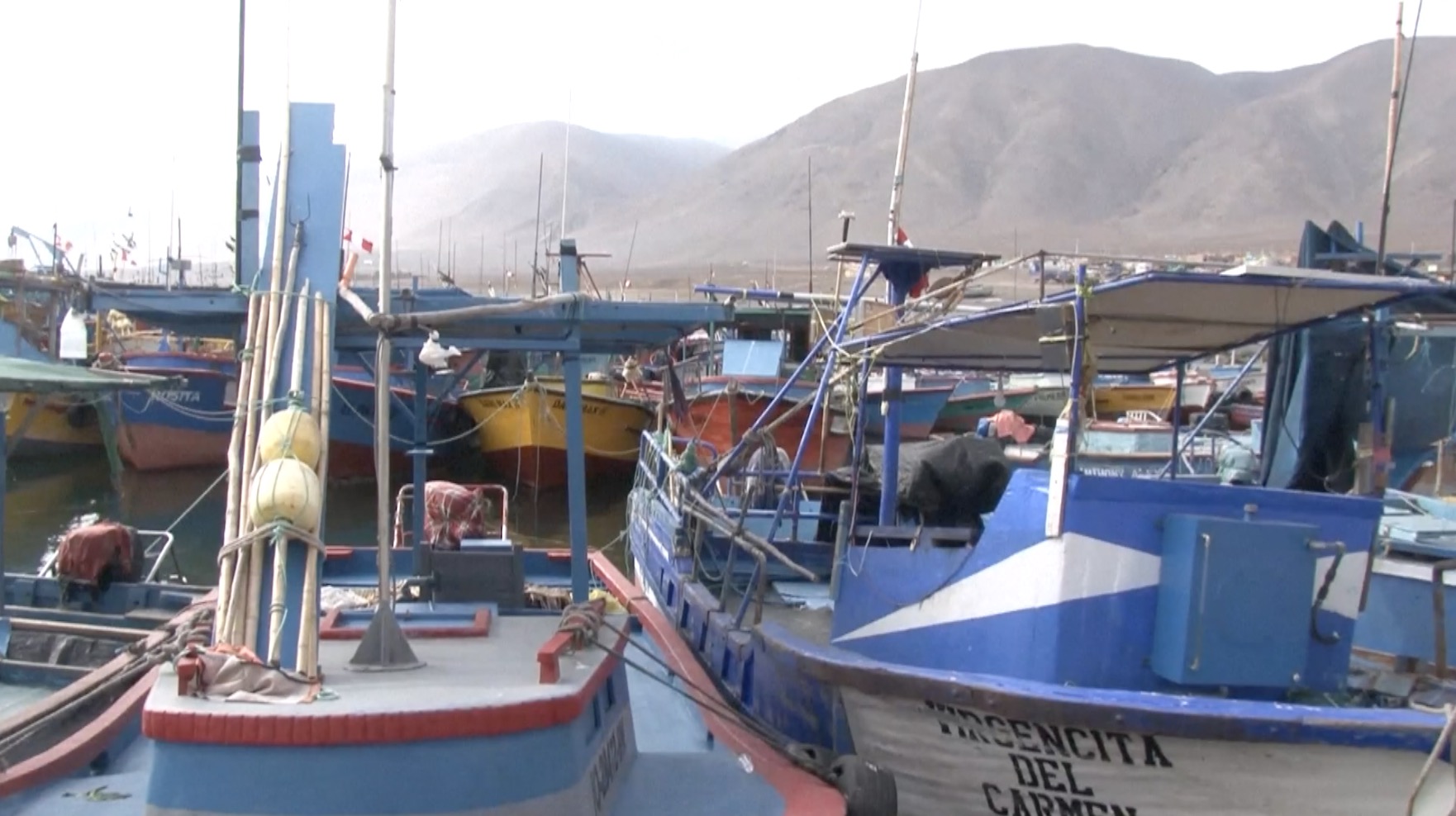
Stakeholders in Peru's fishing industry are raising concerns about Japan's plan to dump nuclear-contaminated water from the Fukushima Daiichi Nuclear Power Plant into the Pacific Ocean this summer, with anxieties mounting that the wastewater discharge will threaten their food security and livelihood besides harming the marine ecosystem.
Puerto Morro Sama, a fishing port in Tacna Province in southern Peru, relies on fish from the Pacific Ocean to feed the local fish markets and provide a livelihood for town residents.
Although seafood is plentiful and cheap, locals worry that this inexpensive source of protein could become a luxury in the future if Japan sticks to its controversial discharge plan.
"I have been selling fish here for 20 years. I think it is very bad. It will wreak havoc on the fishing stock. What are the future generations going to eat?" said Susana Condori, a fish vendor.
David Cutipa, the port manager in Puerto Morro Sama, called on Peru's government to seek help from influential international organizations to persuade Japan to reconsider its plans.
"Our country should ask international organizations like the United Nations, the Food and Agriculture Organization, and the Organization of American States to conduct an evaluation of the real situation in which Japan wants to release the nuclear wastewater, because we have to understand that the planet and the sea, belong to all human beings instead of any single country. Japan is not the owner of the sea," he said.
The governor of Tacna Province is also raising doubts about Japan's assurances that any discharged wastewater will be safe and free of nuclear contaminants.
"The Japanese government said that the water had already been treated. But that's not true. According to the information we have gathered, the water could still cause radioactive contamination. It will harm not only the ocean, but all the people who make their living from fishing along the coasts of Peru," said Tacna Governor Liliana Cornejo.
(If you have specific expertise and want to contribute, or if you have a topic of interest that you'd like to share with us, please email us at nature@cgtn.com.)
Search Trends
SITEMAP
Copyright © 2023 CGTN. 京ICP备16065310号

Disinformation report hotline: 010-85061466
SITEMAP
Copyright © 2023 CGTN. 京ICP备16065310号
Disinformation report hotline: 010-85061466