
Share







Copied

A photo taken from Kasbah hill overlooking Algiers on November 3, 2022, offers a panoramic view of the Algerian capital on the Mediterranean Sea. /AFP
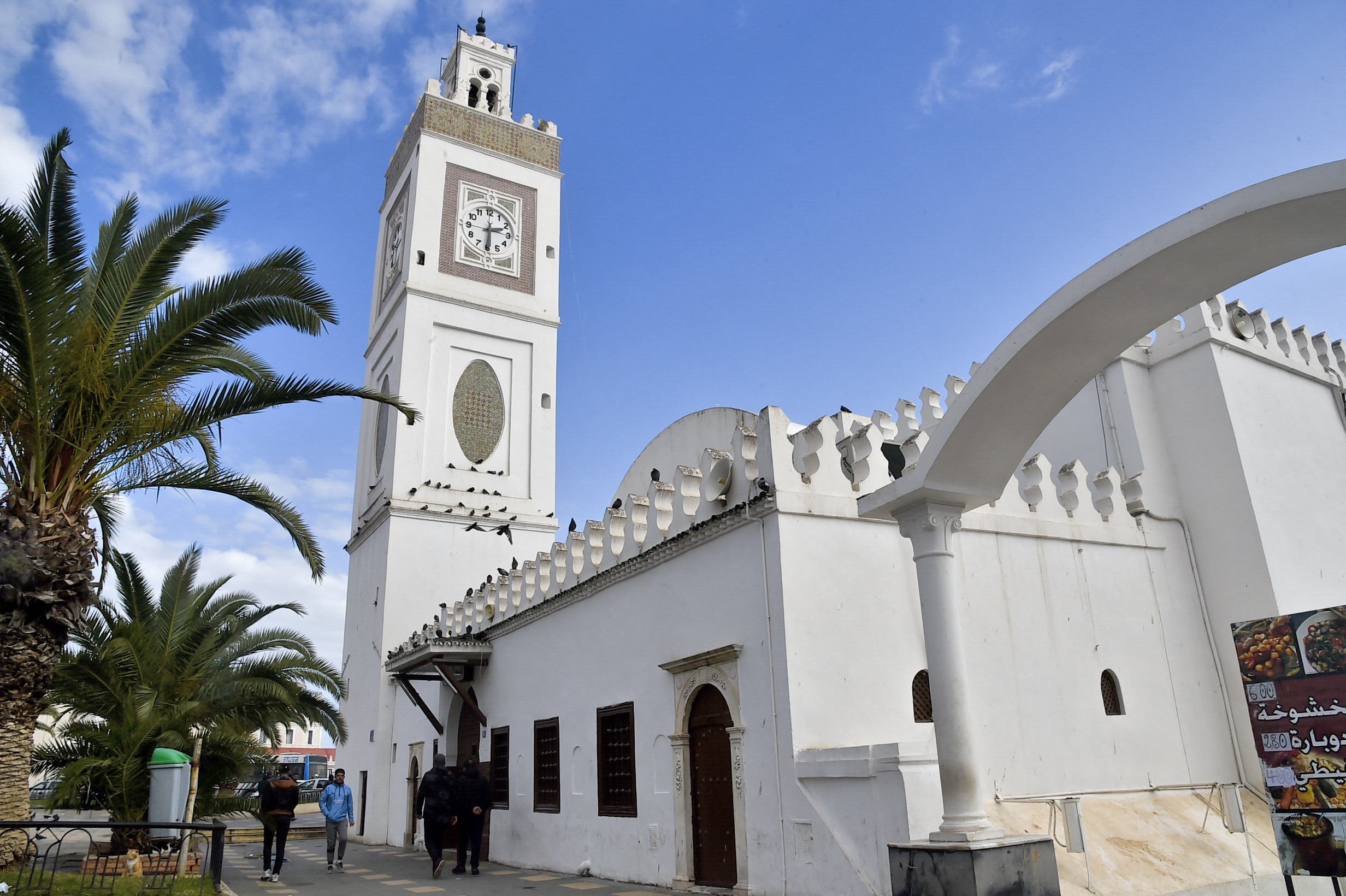
This photo, taken on February 6, 2023, shows Jamaa al-Jdid "new mosque," one of the historic mosques found in Algiers. /AFP
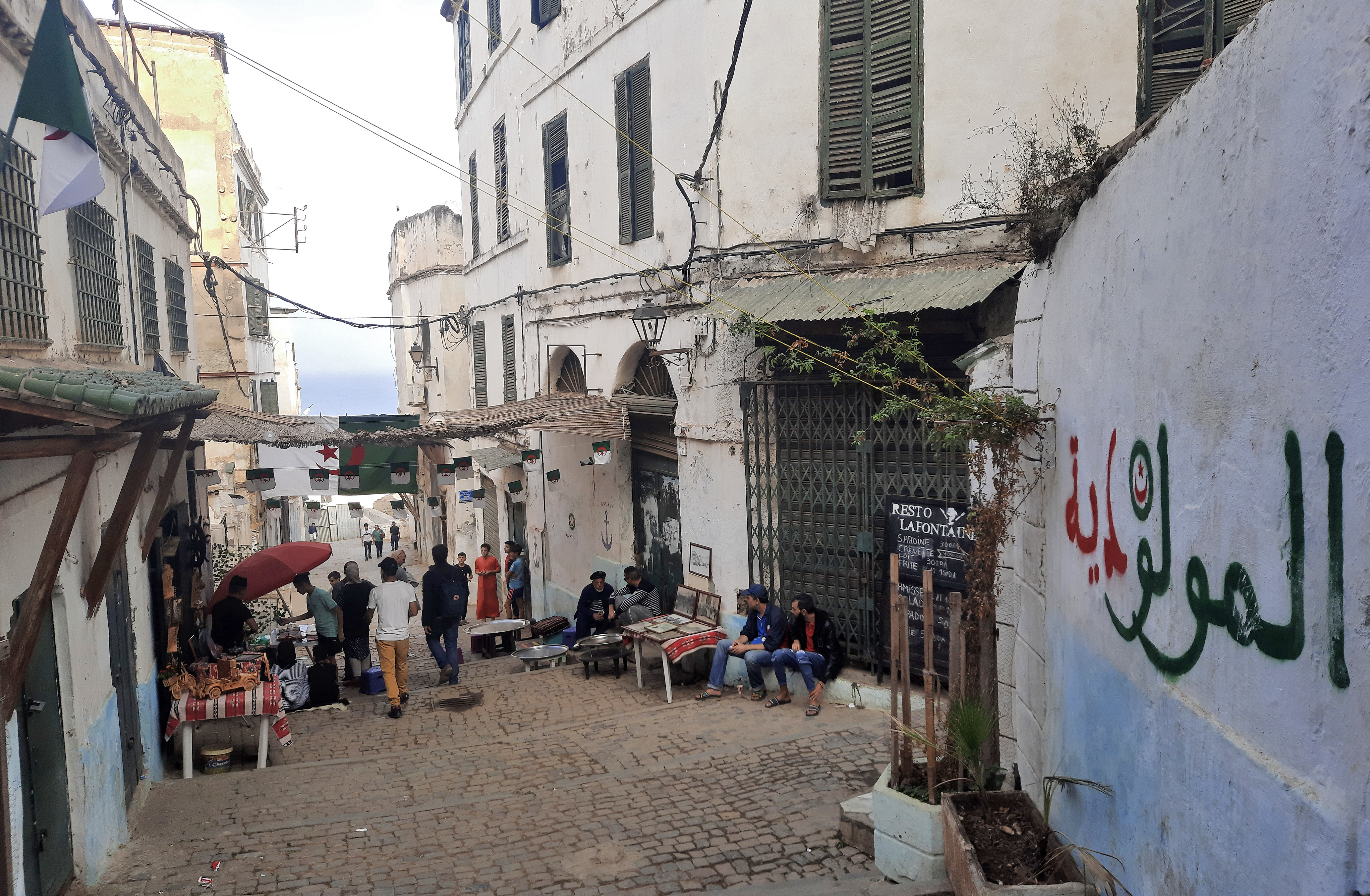
A picture, taken on November 3, 2022, shows a narrow alley of Algiers' central Kasbah historic district. /AFP
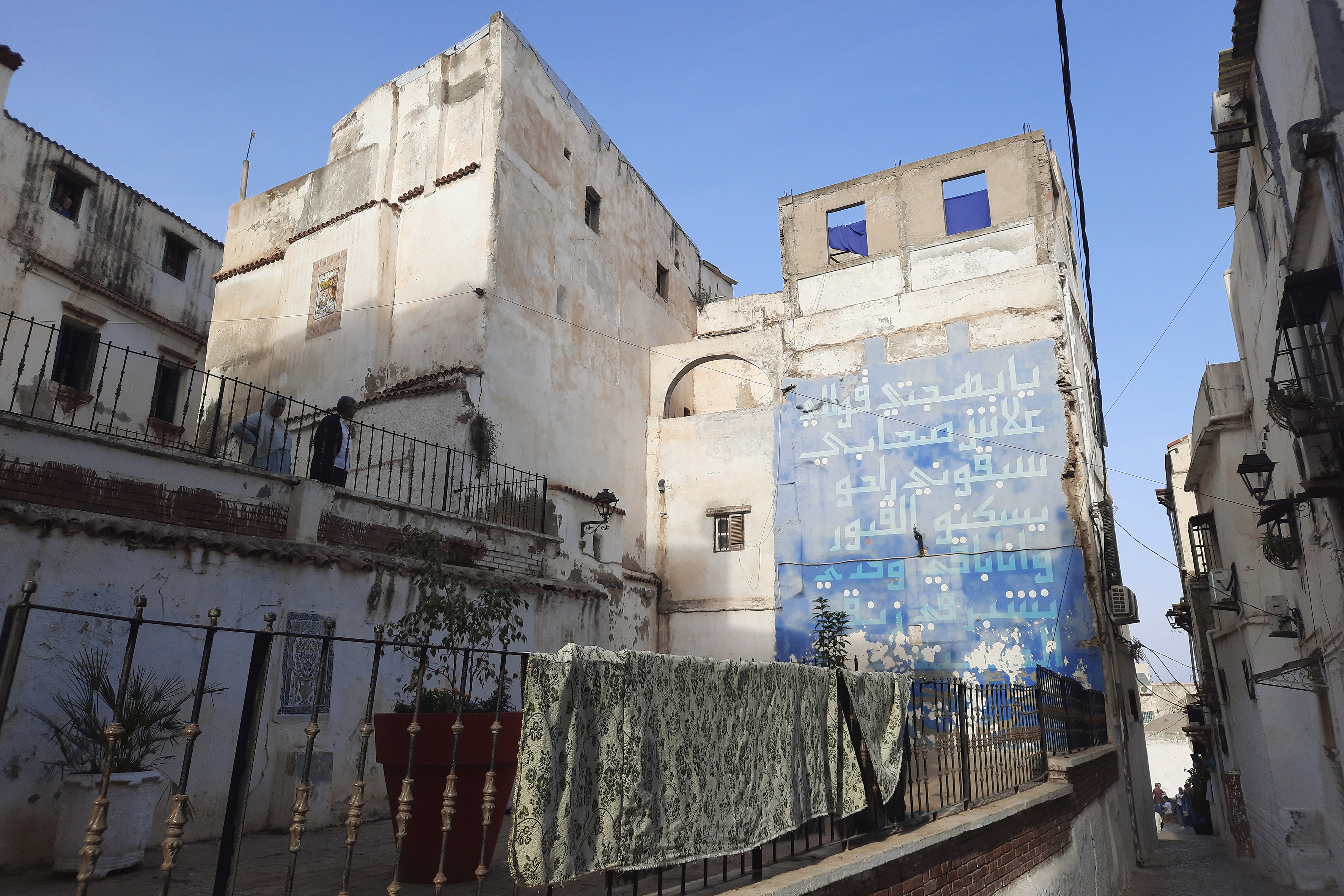
A picture, taken on November 3, 2022, shows a narrow alley of Algiers' central Kasbah historic district. /AFP
The Kasbah of Algiers exemplifies a remarkable instance of a historical Maghreb city that has significantly influenced urban design in the western Mediterranean and sub-Saharan Africa. Situated in a prime coastal location overlooking the islands where a Carthaginian trading-post was established in the 4th century BC, it features remnants of the citadel, ancient mosques, Ottoman-style palaces and a traditional urban layout that fosters a strong sense of community. The Kasbah stands as a testament to the rich heritage and enduring legacy of this region.
The visual qualities, construction materials and architectural components have had their original appearance preserved, effectively conveying the values that led to the site's inclusion on the World Heritage List in 1992.
Search Trends
SITEMAP
Copyright © 2023 CGTN. 京ICP备16065310号

Disinformation report hotline: 010-85061466
SITEMAP
Copyright © 2023 CGTN. 京ICP备16065310号
Disinformation report hotline: 010-85061466