
Share







Copied
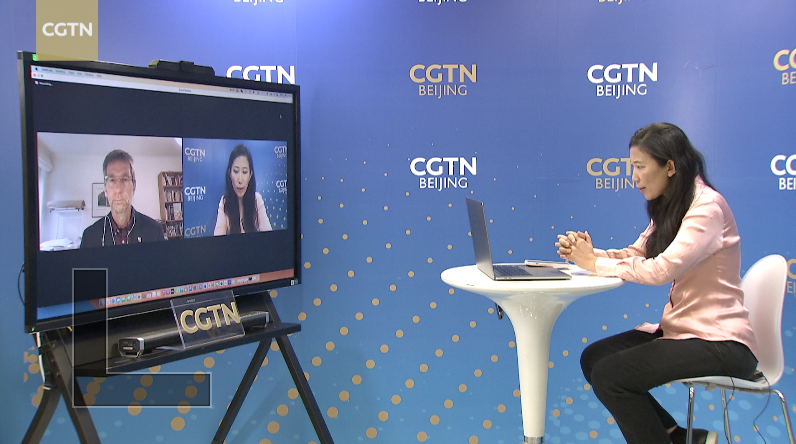
Japan is expected to begin releasing treated wastewater from the crippled Fukushima nuclear power plant into the ocean following approval from the United Nations nuclear watchdog. The decision has attracted criticism from some neighboring countries.
There is concern too from members of the scientific community. Among them is Dr. Tilman Ruff, the co-president of International Physicians for the Prevention of Nuclear War and the Australian chairman of the International Campaign to Abolish Nuclear Weapons (ICAN), which won the Nobel Peace Award in 2017.
In an interview with CGTN, Ruff describes Tokyo's actions as "cheap and dirty," saying they raise environmental and human rights concerns. He says the plan to release more than a million tons of treated wastewater from the Fukushima facility contravenes Japan's obligations as a signatory of the United Nations Convention on the Law of the Sea.
Ruff believes the most direct harm could be caused to communities which depend on fishing to sustain their livelihoods if demand for their produce is "drastically diminished or complicated."
In the long term, Dr. Ruff says the release of the wastewater "adds to the radioactive burden of pollution that will continue over some decades. Every increment in radiation to which people are exposed does add to the long-term health risks of adverse outcomes, including cancer and a variety of chronic illnesses particularly heart attacks and strokes."
Ruff says there are alternative options to deal with nuclear contaminated water, including by improving the storage facilities that Japan used for its oil reserve which could be used to hold the water for up to 50 to 60 years. He says the water could also be stored underground instead of being dumped into the sea.
Ruff believes the international community should use diplomatic channels or consider raising the issue at the International Court of Justice to urge Japan to "take more responsibility on this issue."
Search Trends
SITEMAP
Copyright © 2023 CGTN. 京ICP备16065310号

Disinformation report hotline: 010-85061466
SITEMAP
Copyright © 2023 CGTN. 京ICP备16065310号
Disinformation report hotline: 010-85061466