
Share







Copied
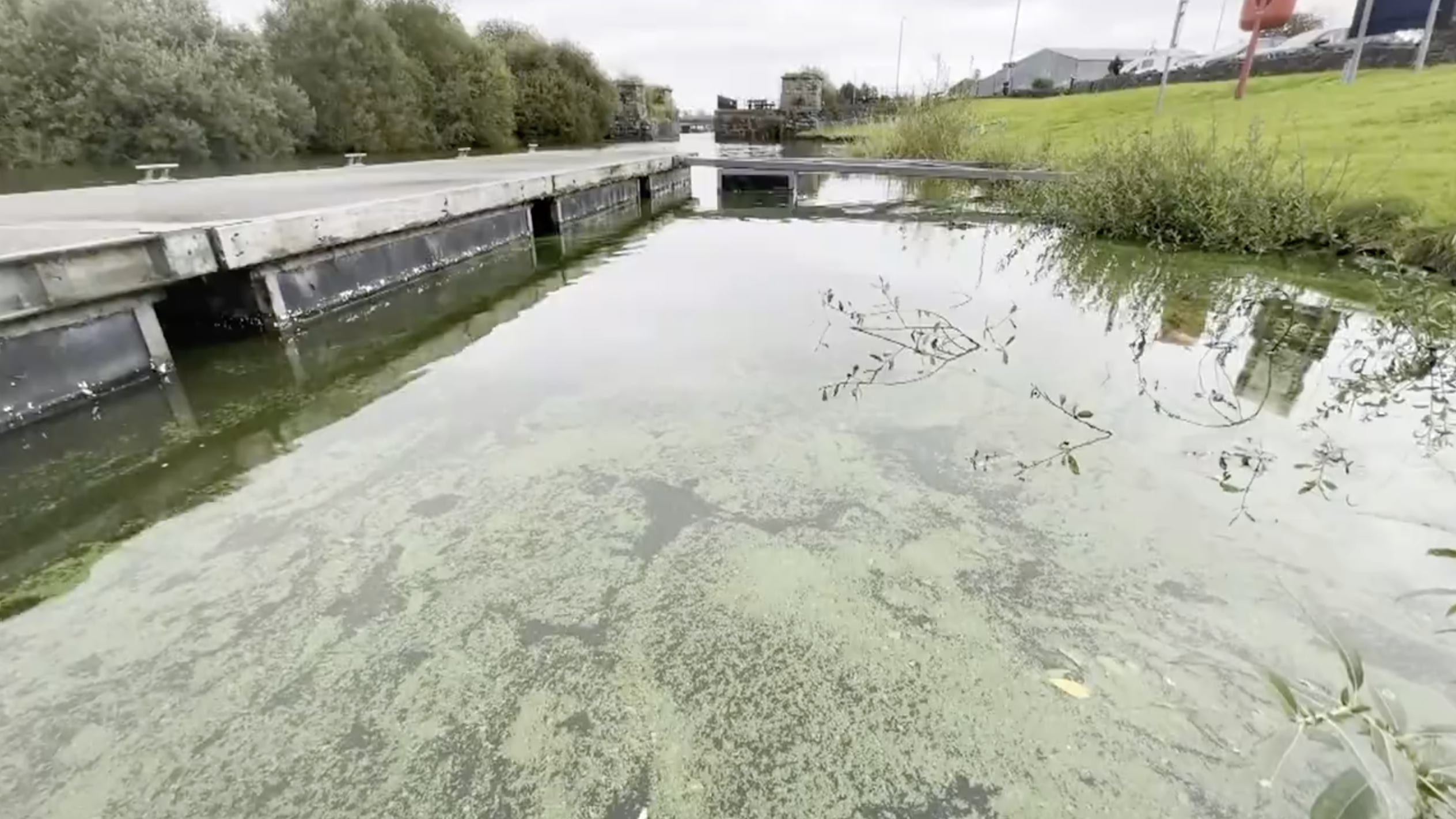
"The eel have disappeared all together," said a fisherman named Daniel, who has witnessed changes in Lough Neagh in recent months.
Lough Neagh, the largest freshwater lake in the UK and Ireland, serves as the largest commercial wild eel fishery in Europe. Of the 400 tonnes of fish produced annually at Lough Neagh, 80 percent ends up on the European continent.
However, due to decades of sand dredging and pollution stemming from agricultural runoff, sewage treatment and septic tanks, the lake has been flooded with nutrients on which the blue-green algae are thriving, leading to a dramatic decline in eel numbers due to lack of oxygen in the water since this summer.
The number of eels has plummeted, and so has Daniel's income, which is 90 percent lower now compared to last year, as he has not caught eels for months.
"If it (the pollution) keeps getting worse year on year, we are going to have to look at new job or go elsewhere," he said.
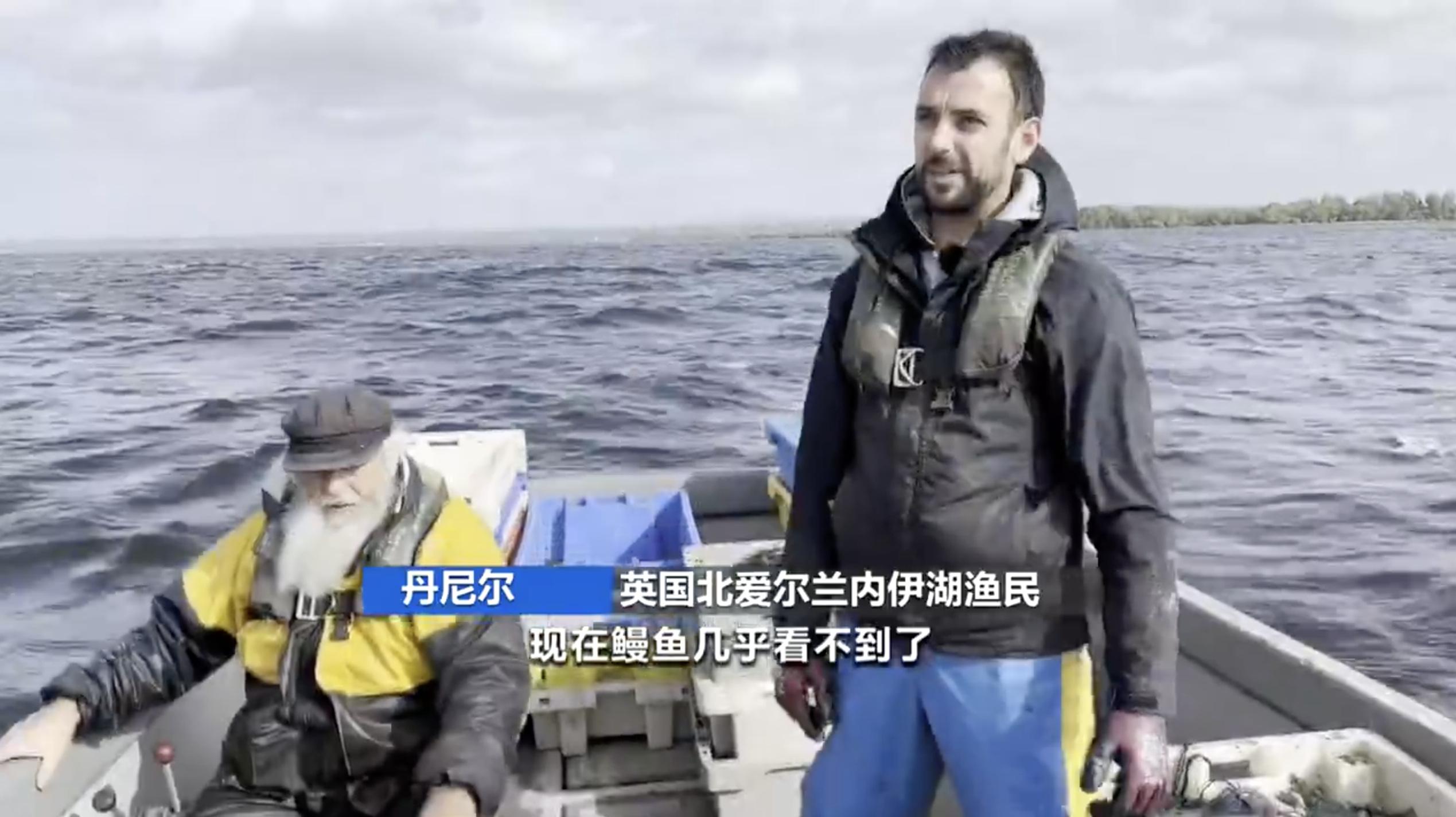
Daniel, a fisherman, says there are few eels in Lough Neagh. /CMG
In addition to being a source of eels, the lake is also the source of 40 percent of Northern Ireland's drinking water.
Since the toxic blue-green algae began to bloom, prominent yellow warnings have been posted along the shores of Lough Neagh, warning people to stay away from the contaminated water as it may be harmful to humans and potentially fatal to livestock, pets and wildlife.
The algae is killing fish, birds and dogs, raising public health concerns. However, local government haven't reported on whether the fish are contaminated and safe to eat.
"The main issue, as I see it, was that they (the government) couldn't confirm that the fish they were catching would be safe for people to eat," said Louise Taylor, director of a UK environmental organization. "And people didn't want fish from the Lough because of the animals dying."
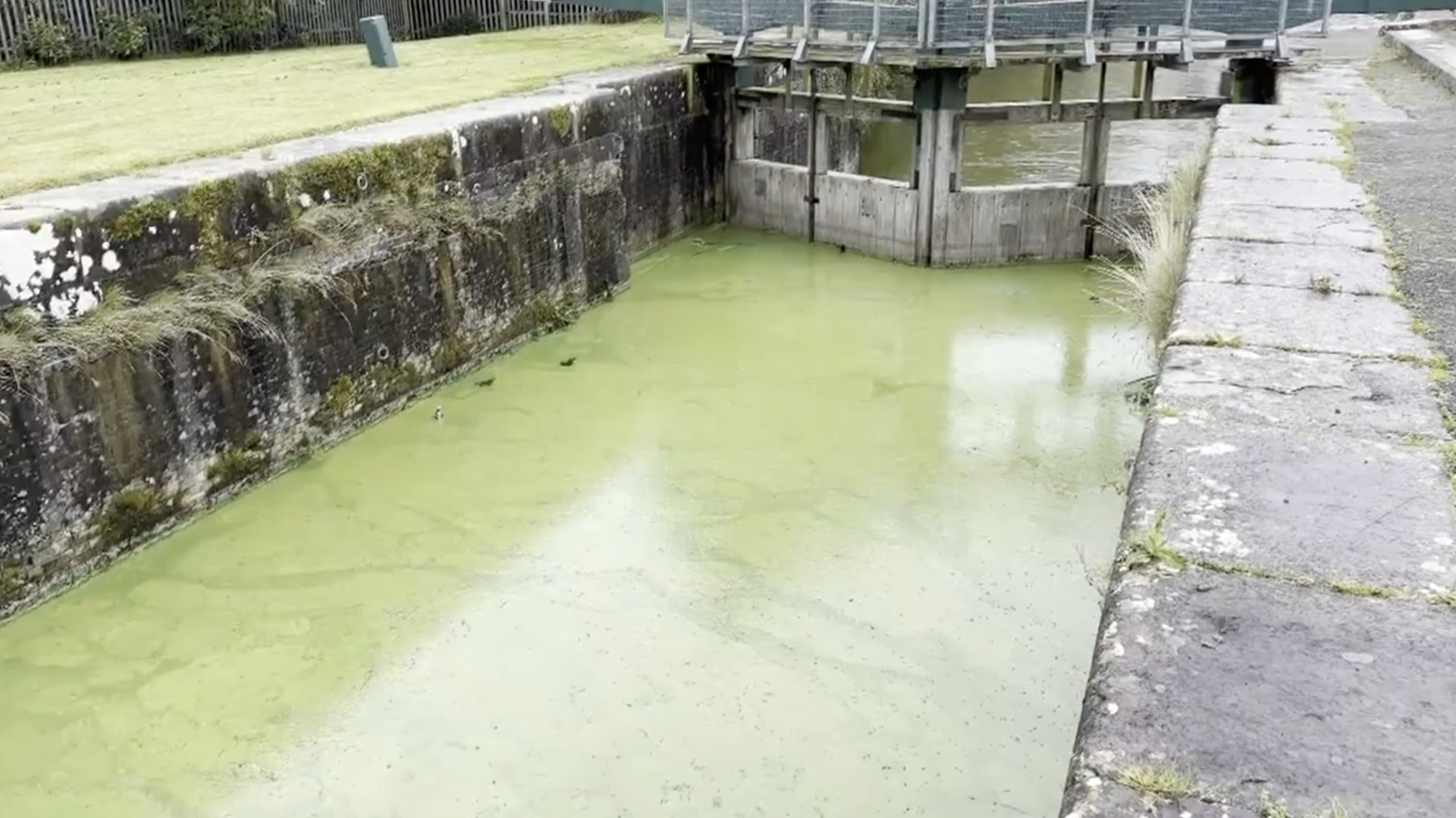
The polluted water in Lough Neagh. /CMG
The severe environmental crisis and public health emergency have largely impacted local fisheries, tourism and food security, with many fishermen facing unemployment and a significant reduction in local tourism.
"Ultimately, the causes of pollution come from the government's neglect. However, there has no compensation been ordered to the commercial fishing buddies," said James Orr, director of a UK environmental organization.
"This is the most important place in this island and is of international importance. People are crying because of the destruction (of the environment) all around them," he added.
Search Trends
SITEMAP
Copyright © 2023 CGTN. 京ICP备16065310号

Disinformation report hotline: 010-85061466
SITEMAP
Copyright © 2023 CGTN. 京ICP备16065310号
Disinformation report hotline: 010-85061466