By continuing to browse our site you agree to our use of cookies, revised Privacy Policy and Terms of Use. You can change your cookie settings through your browser.
Wuyuan wood carving, an aesthetic enhancement to architecture

Share







Copied
Wuyuan wood carving is one of the three traditional carving arts – brick, stone, and wood – found in the ancient buildings of Wuyuan County, in southeast China's Jiangxi Province. Originating in the Tang Dynasty (618-907), Wuyuan's three types of carvings, a national intangible cultural heritage, are a branch of China's Hui-style architectural art, predominantly used to decorate residences, official mansions, and ancestral halls.
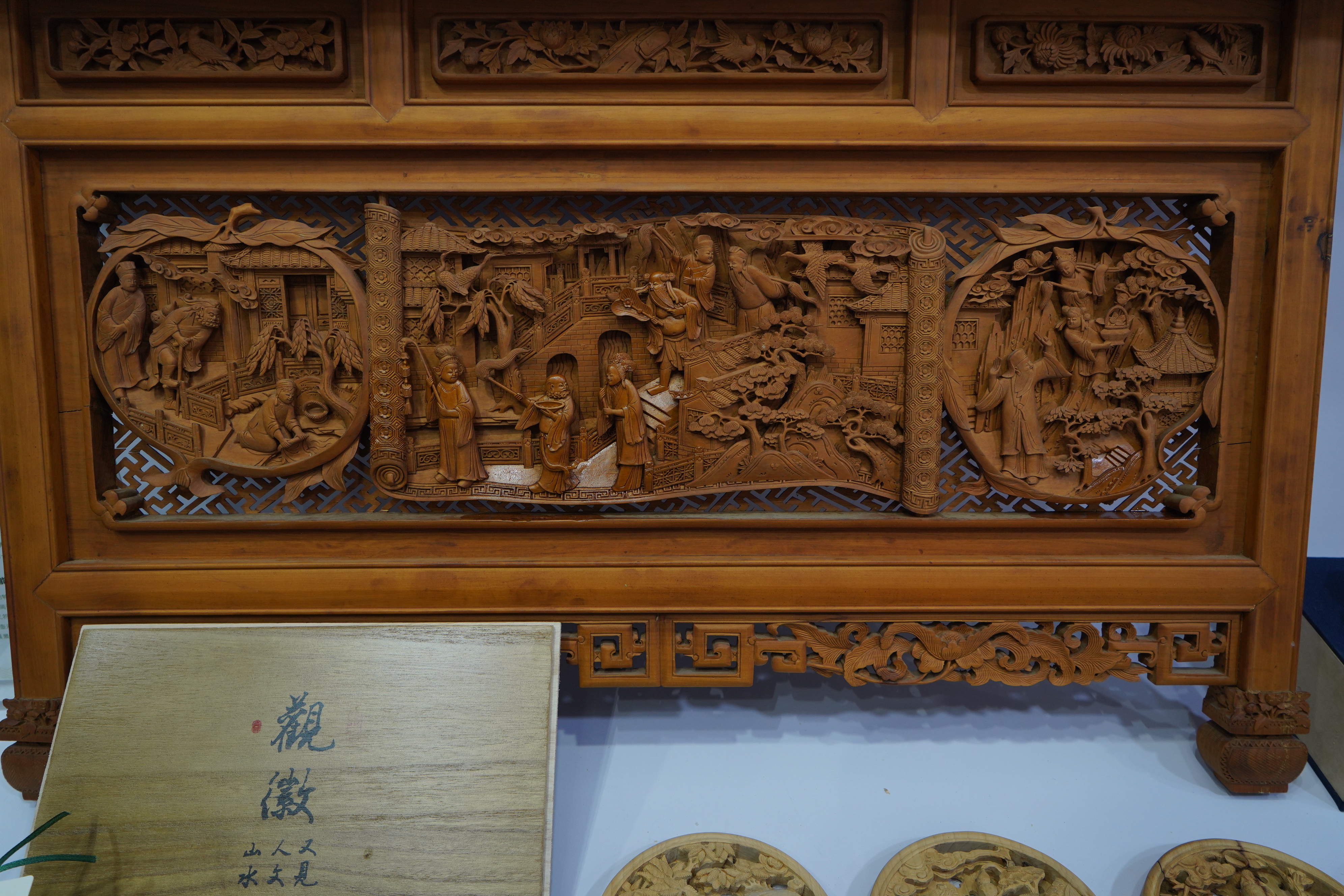
Works of Wuyuan wood carving are pictured at an intangible cultural heritage exhibition held this autumn in northwest China's Xinjiang Uygur Autonomous Region. /CGTN
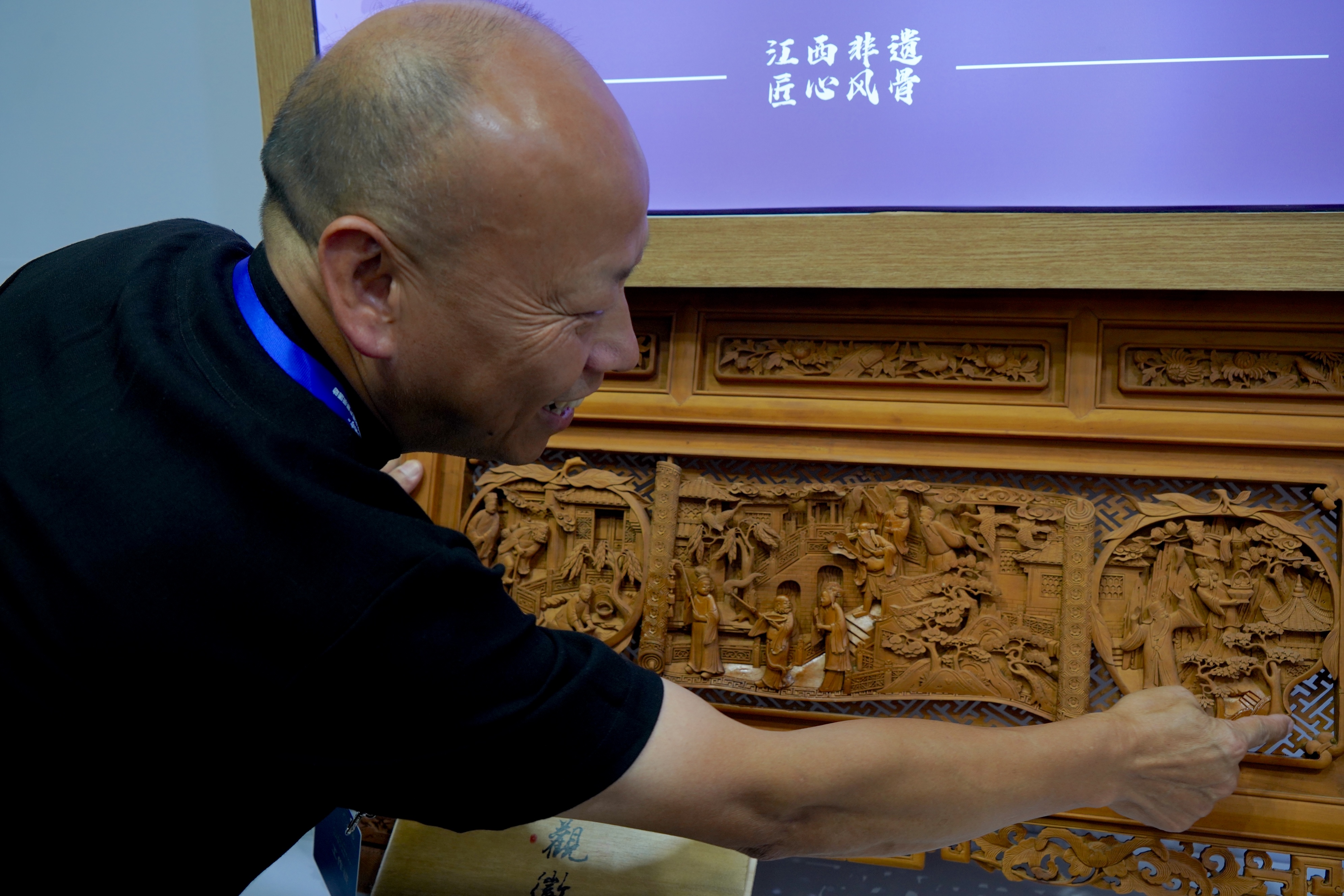
An artisan explains details of Wuyuan wood carving at an intangible cultural heritage exhibition held this autumn in northwest China's Xinjiang Uygur Autonomous Region. /CGTN
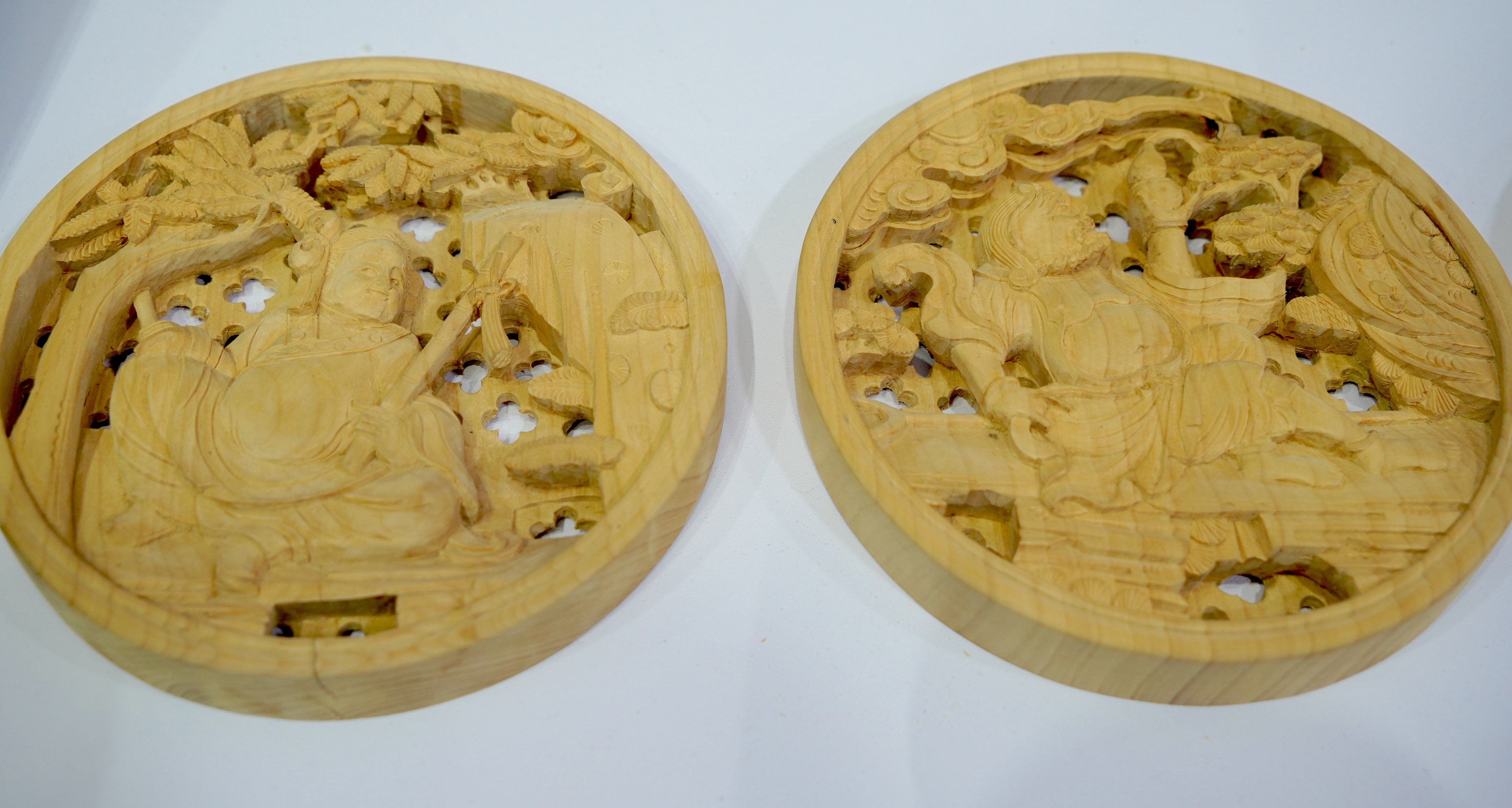
Works of Wuyuan wood carving are pictured at an intangible cultural heritage exhibition held this autumn in northwest China's Xinjiang Uygur Autonomous Region. /CGTN
Using techniques such as three-dimensional carving, relief carving, and hollow carving, the process involves dozens of meticulous steps, from material selection and polishing to drawing and carving. The subjects often depict landscapes, figures, flowers, and animals, vibrantly bringing interior spaces to life.
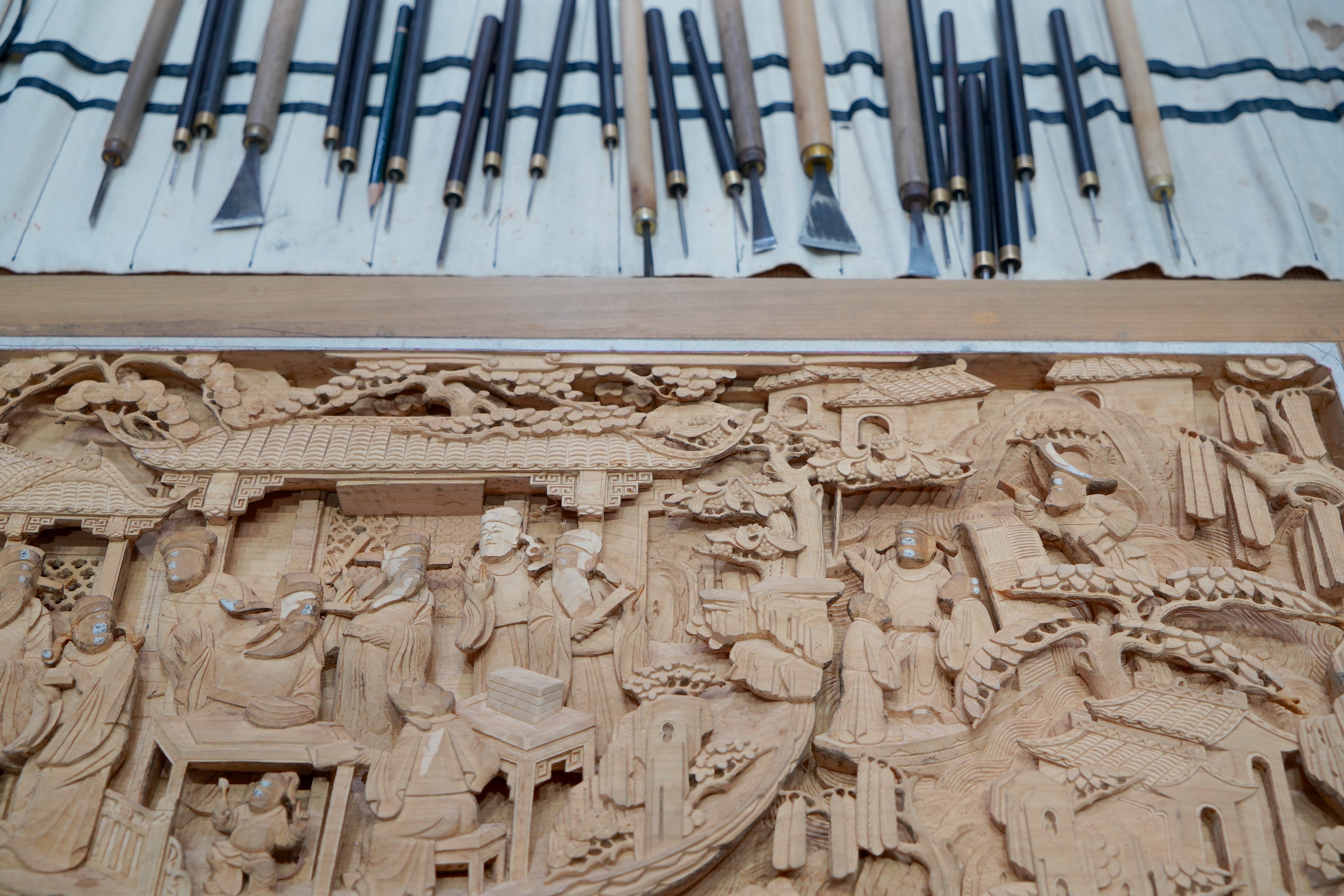
A piece of Wuyuan wood carving work is pictured at an intangible cultural heritage exhibition held this autumn in northwest China's Xinjiang Uygur Autonomous Region. /CGTN
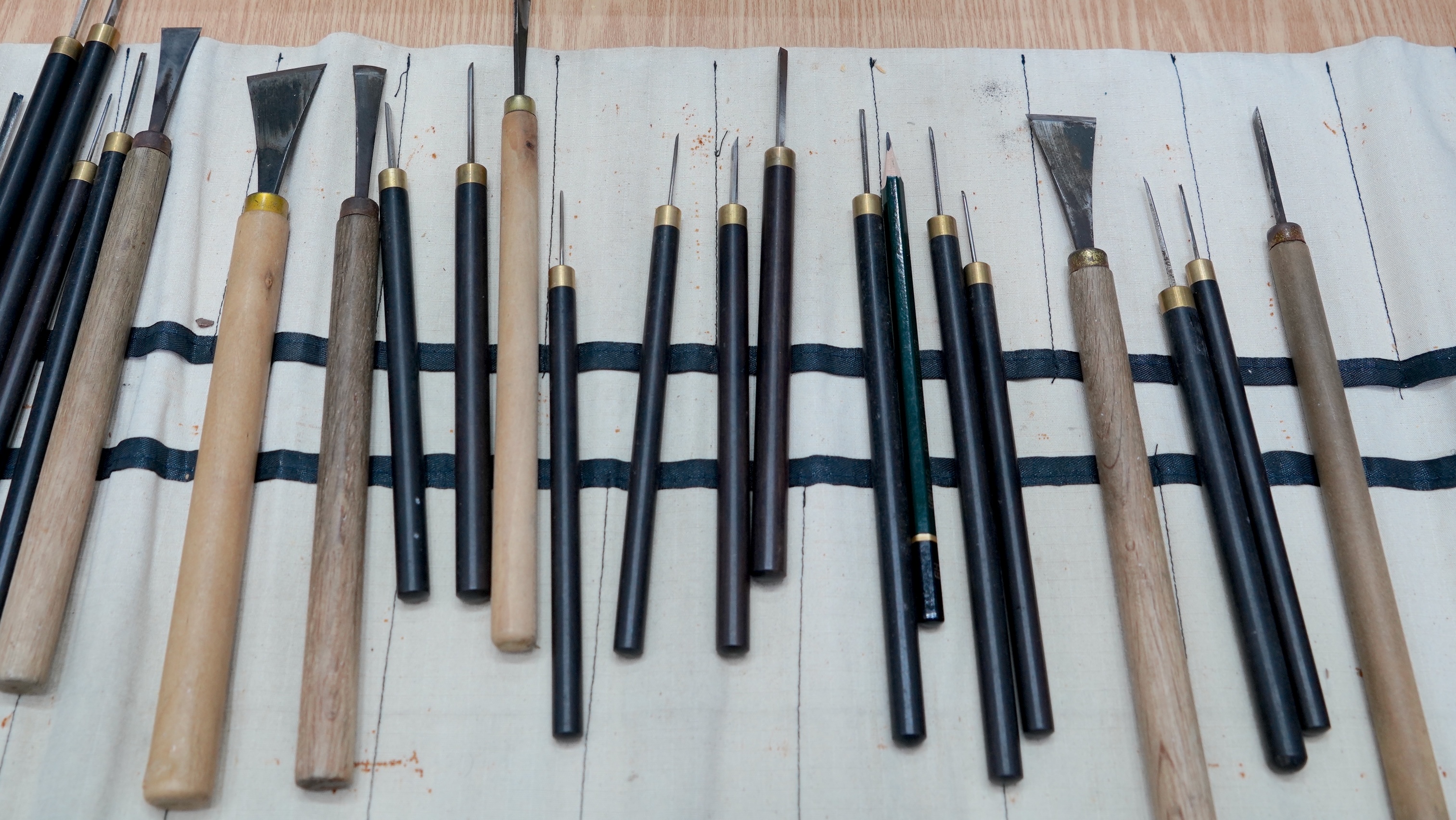
Tools used in Wuyuan wood carving are pictured at an intangible cultural heritage exhibition held this autumn in northwest China's Xinjiang Uygur Autonomous Region. /CGTN
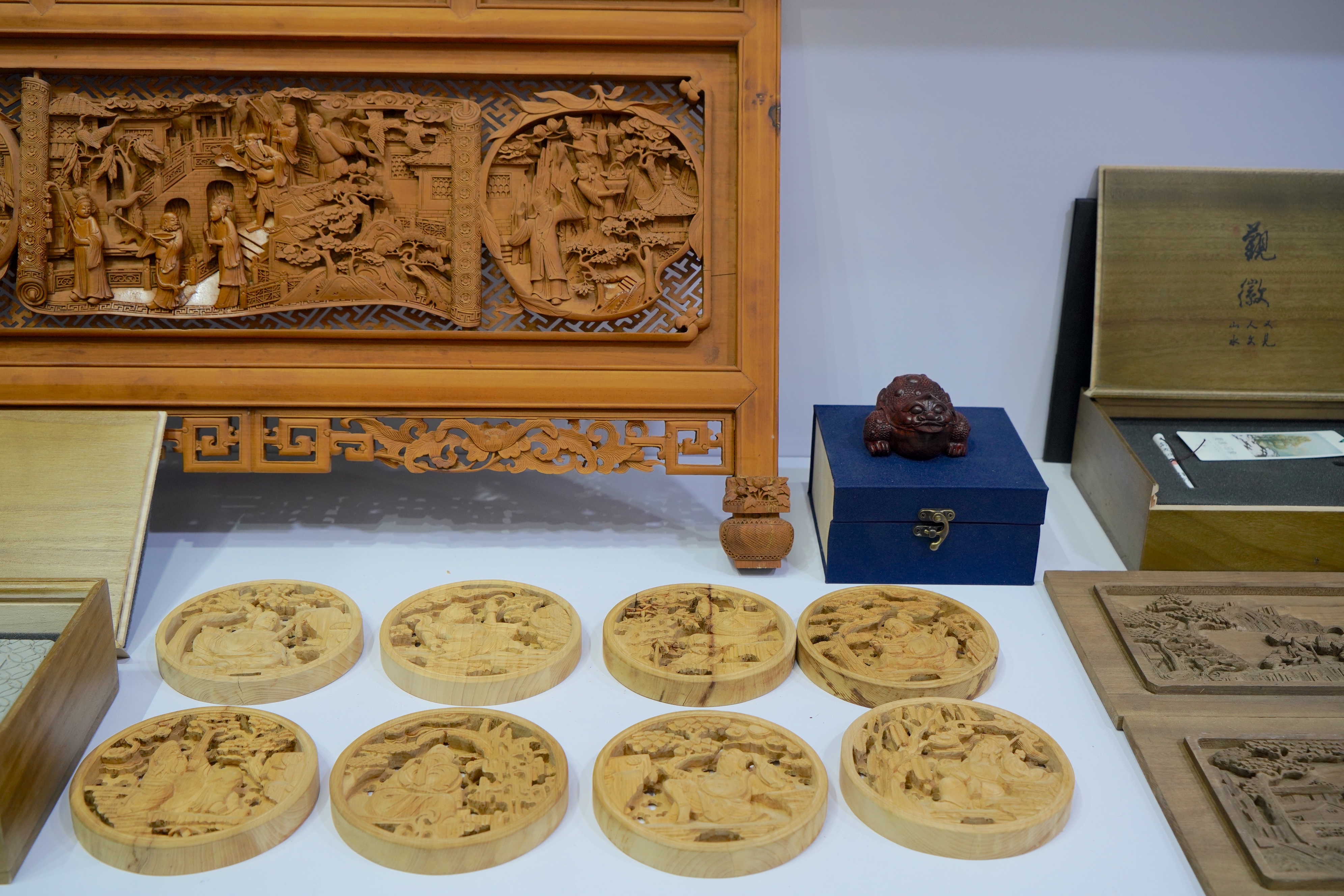
Works of Wuyuan wood carving are pictured at an intangible cultural heritage exhibition held this autumn in northwest China's Xinjiang Uygur Autonomous Region. /CGTN
Large wood carvings typically use 100-year-old trees like maple, camphor, cypress, and chestnut, while finer carvings are made from materials such as nanmu, jujube, poplar, and peach trees. The design hierarchy of the carvings places dragons at the top, followed by figures, and then birds, flowers and vessels, creating a symbolic arrangement.
Search Trends
SITEMAP
Copyright © 2023 CGTN. 京ICP备16065310号

Disinformation report hotline: 010-85061466
SITEMAP
Copyright © 2023 CGTN. 京ICP备16065310号
Disinformation report hotline: 010-85061466