By continuing to browse our site you agree to our use of cookies, revised Privacy Policy and Terms of Use. You can change your cookie settings through your browser.
Traditional architecture in Fujian and Melaka: A cultural legacy

Share







Copied
Fujian Tulou, a masterpiece of traditional Chinese architecture, is built with durable rammed earth, designed for communal living and defense. Its circular or square structures house entire clans, reflecting the Hakka people's spirit of cooperation and harmony with nature.
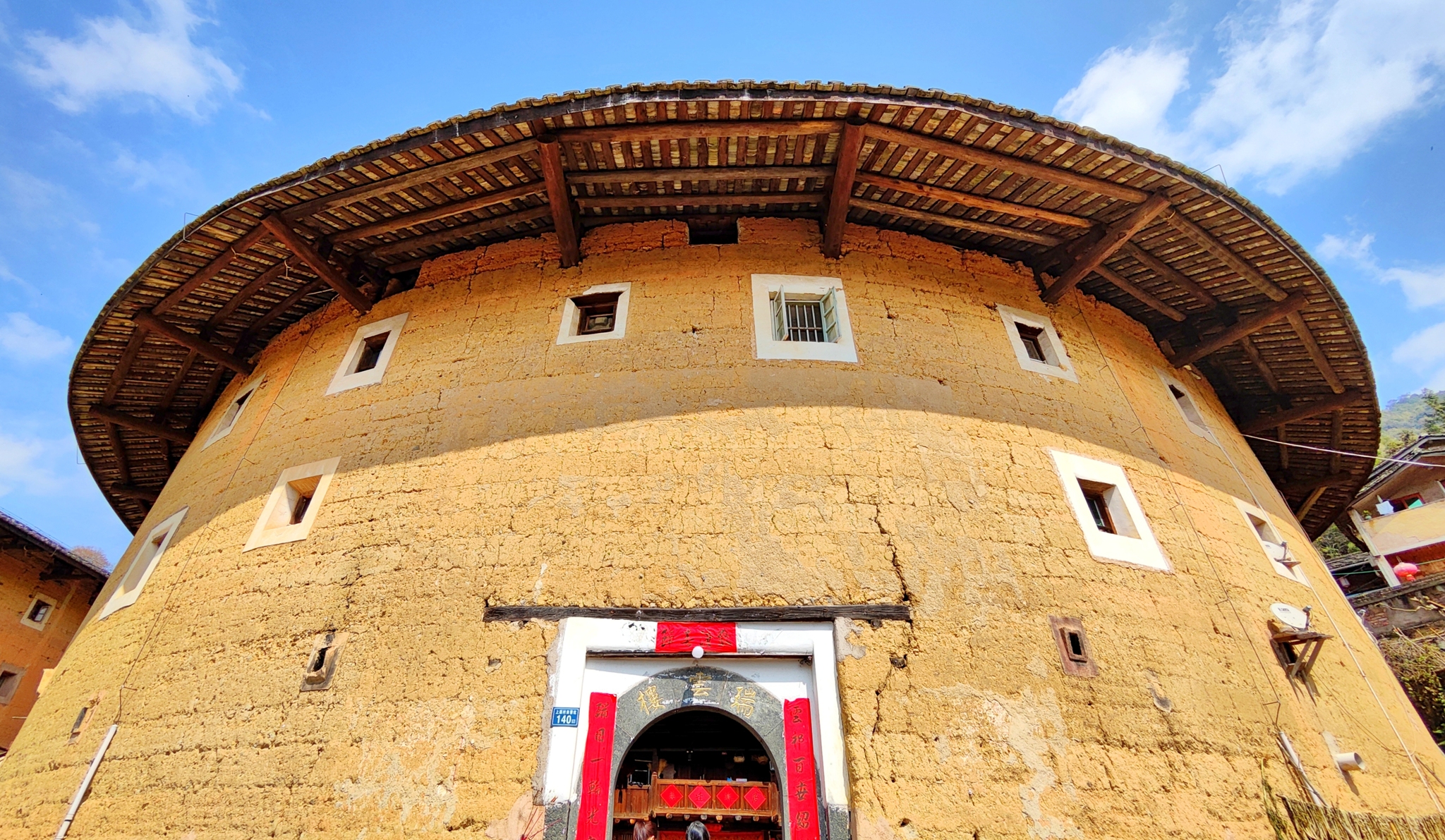
A file photo shows a Hakka tulou, a traditional Chinese rural dwelling nestled in the mountainous regions of Fujian Province. /VCG
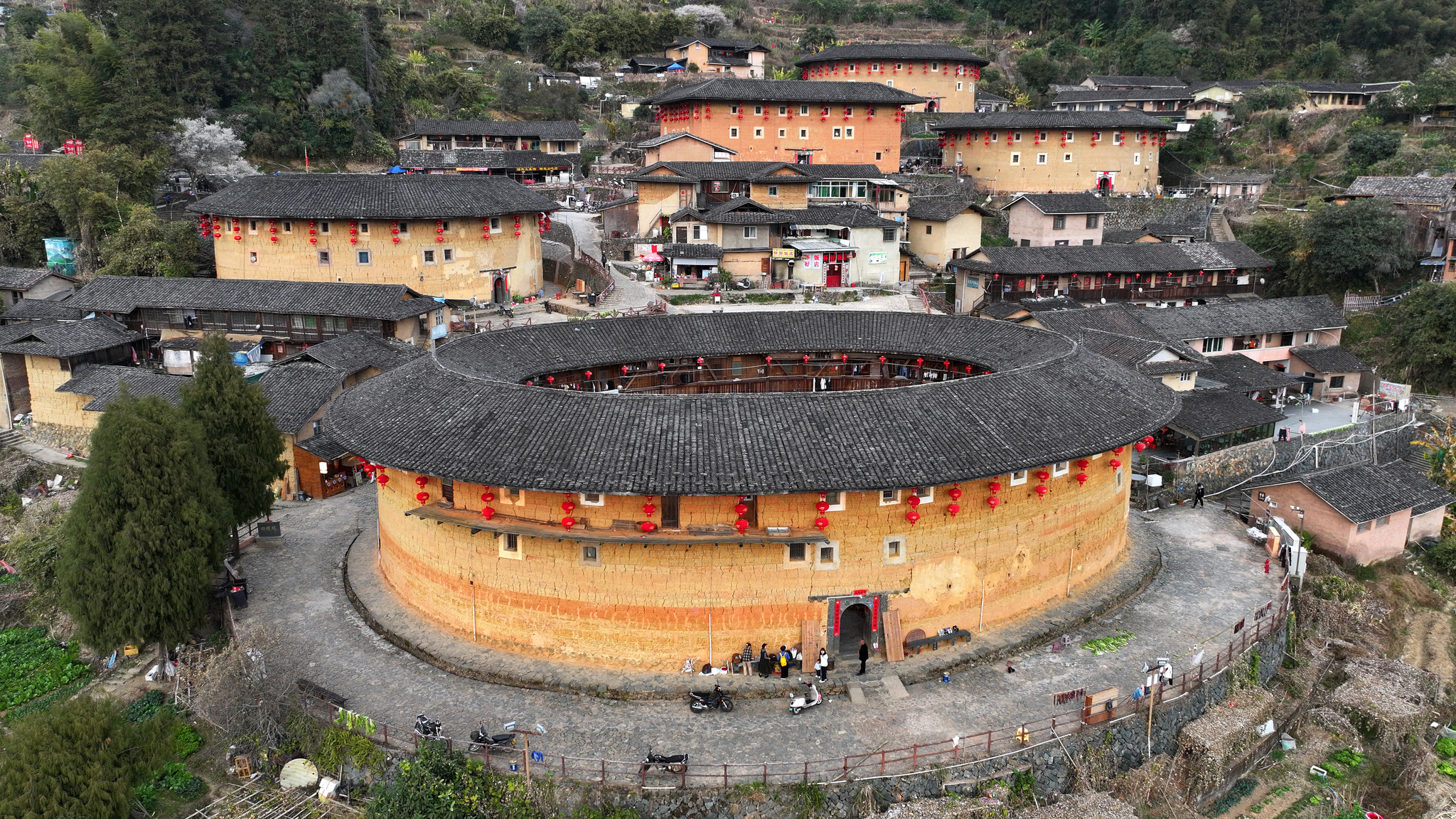
A file photo shows a community of Hakka tulou, a traditional Chinese rural dwelling nestled in the mountainous regions of Fujian Province. /VCG
In Melaka, the Baba Nyonya (Peranakan Chinese) community, descendants of early Chinese settlers from China's Fujian and Guangdong provinces, developed a distinctive architectural style blending Chinese, Malay, and European influences. These houses, with their vibrant colors, intricate carvings, and fusion of Eastern and Western aesthetics, embody multicultural coexistence.
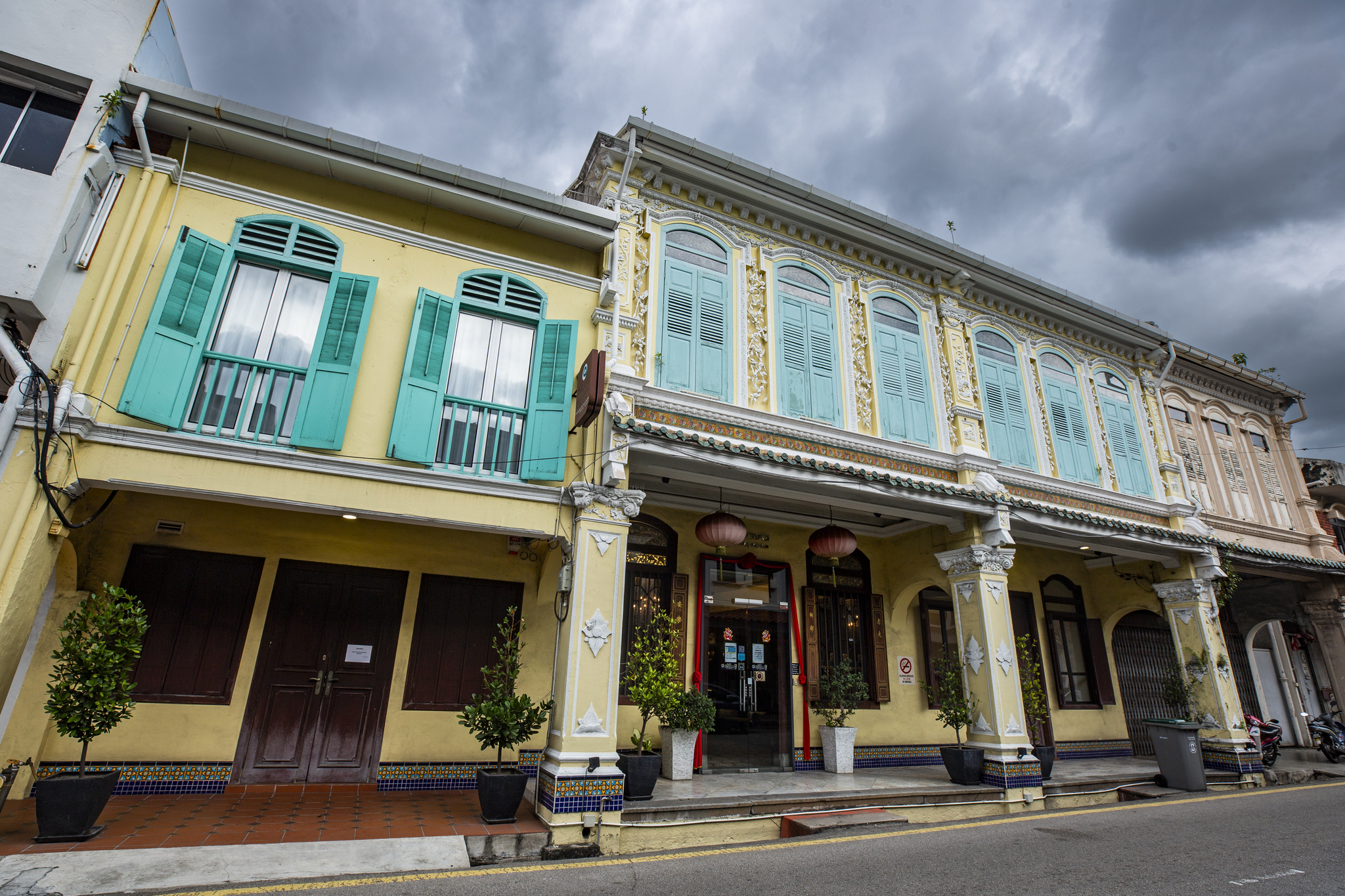
An archive photo shows a Peranakan Chinese-style building in Melaka, Malaysia. /VCG
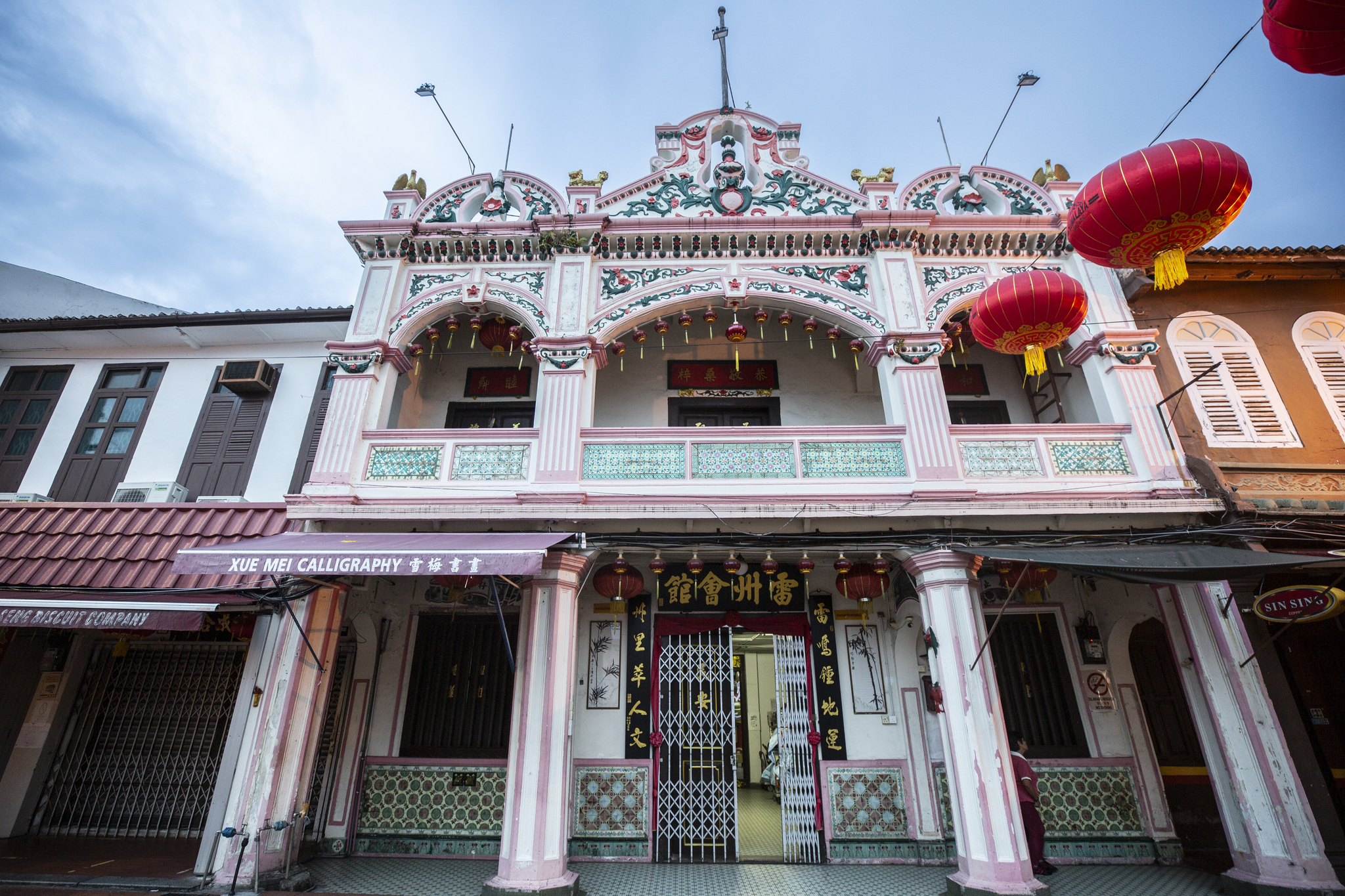
An archive photo shows a Peranakan Chinese-style building in Melaka, Malaysia. /VCG
Despite their differences, both architectural styles serve as cultural landmarks, preserving historical memory and adapting to their environments. Together, they showcase how architecture transcends borders, reflecting shared human experiences and the richness of cultural exchange.
Search Trends
SITEMAP
Copyright © 2023 CGTN. 京ICP备16065310号

Disinformation report hotline: 010-85061466
SITEMAP
Copyright © 2023 CGTN. 京ICP备16065310号
Disinformation report hotline: 010-85061466