By continuing to browse our site you agree to our use of cookies, revised Privacy Policy and Terms of Use. You can change your cookie settings through your browser.
China's Guangdong: From 'world factory' to high-tech hub

Share







Copied
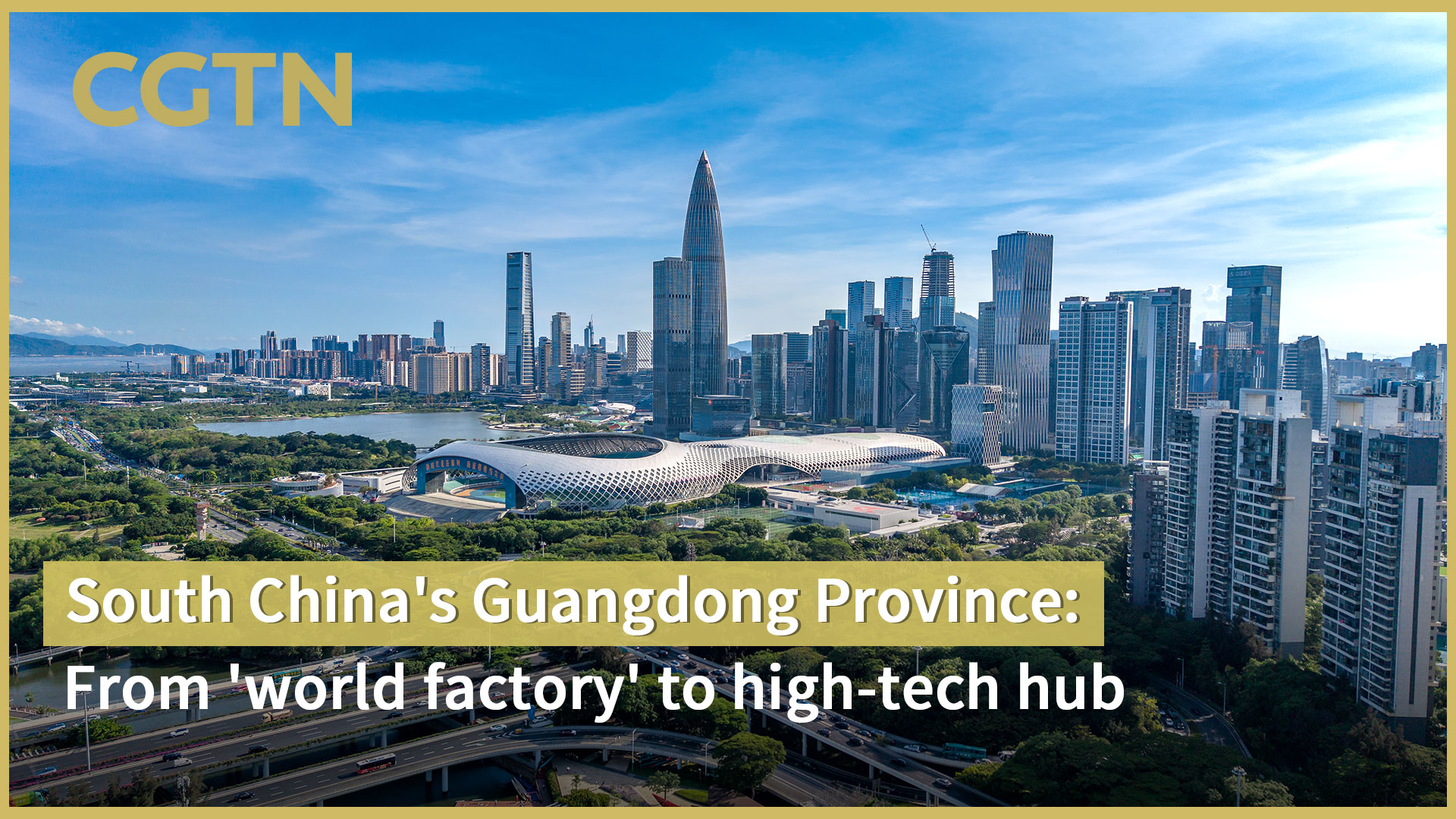
Huawei, Tencent, DJI, ZTE and BYD – some of the world's leading tech giants – all come from the same place: south China's Guangdong Province.
This coastal province faces the South China Sea and is adjacent to the special administrative regions of Hong Kong and Macao. As China's manufacturing hub, it is a constituent part of the Greater Bay Area (GBA) – one of the country's most open and economically vibrant regions, comprising nine Guangdong cities along with Hong Kong and Macao.
"The GBA is the only region in the world where mechatronics technology and AI technology simultaneously reside. It is not true anywhere else," NVIDIA's CEO Jensen Huang said in November 2024.
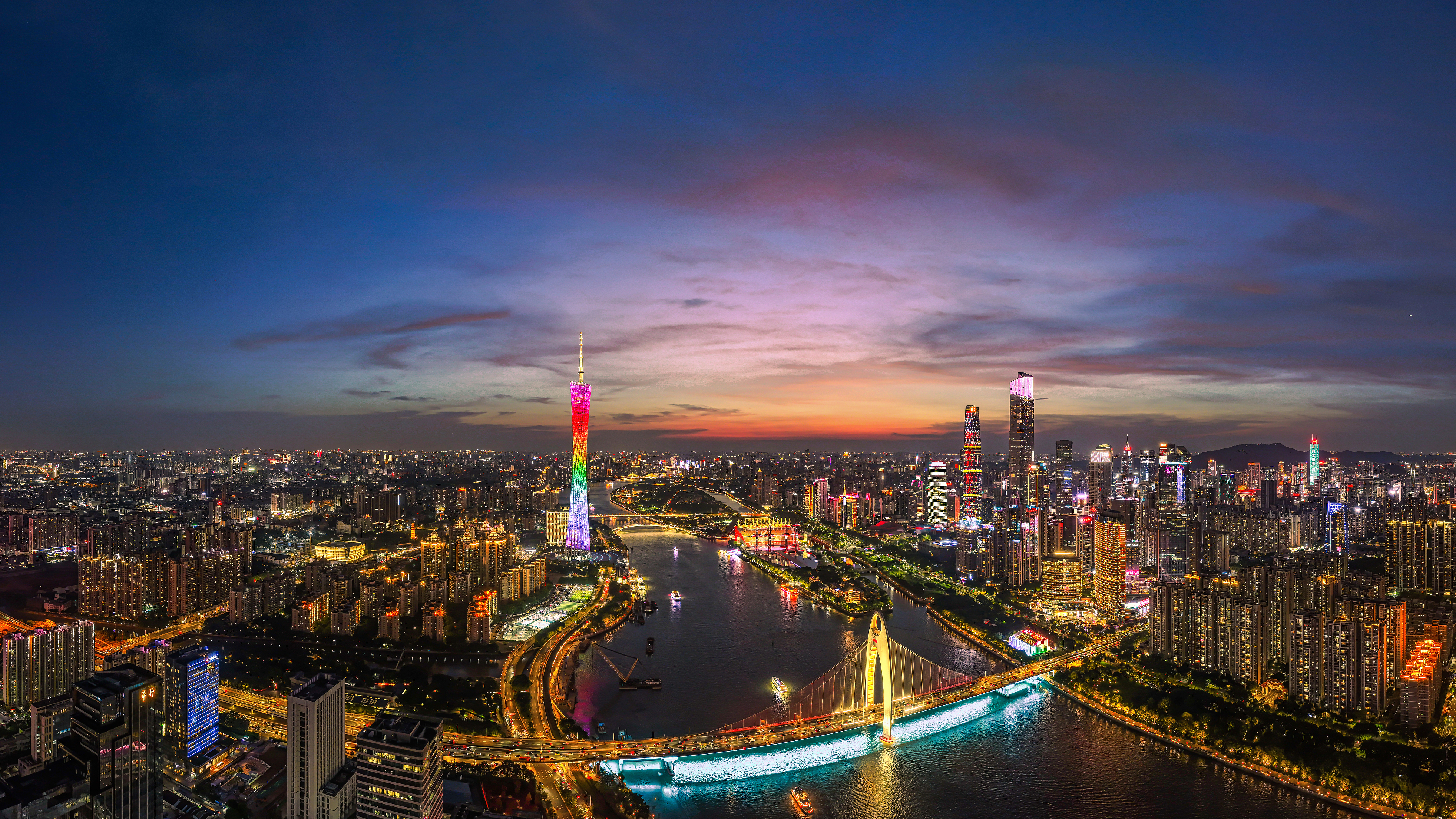
A view of Guangzhou, capital of south China's Guangdong Province, July 8, 2025. /VCG
Guangdong's hard power: Economy and technology
This economic powerhouse saw its GDP hit 14.16 trillion yuan (about $1.97 trillion) in 2024, making Guangdong the first province in China to surpass the 14-trillion mark. It has ranked first nationwide for 36 consecutive years, accounting for 10.5 percent of China's total GDP, according to the Bureau of Statistics of Guangdong Province. The data also showed that Guangdong's total import and export volume for 2024 exceeded 9 trillion yuan for the first time.
"From January to May 2025, the province's industrial added value above a designated size grew by 3.5 percent, with the manufacturing sector growing 4 percent," said Zhuang Lecong, an inspector with the provincial industry and information technology department.
"Guangdong has ranked first in China's regional innovation capability for eight consecutive years. And the Shenzhen-Hong Kong-Guangzhou cluster has ranked second on the Global Innovation Index for five consecutive years," Yang Huifang, an inspector with the department of science and technology of Guangdong Province, said on June 23.
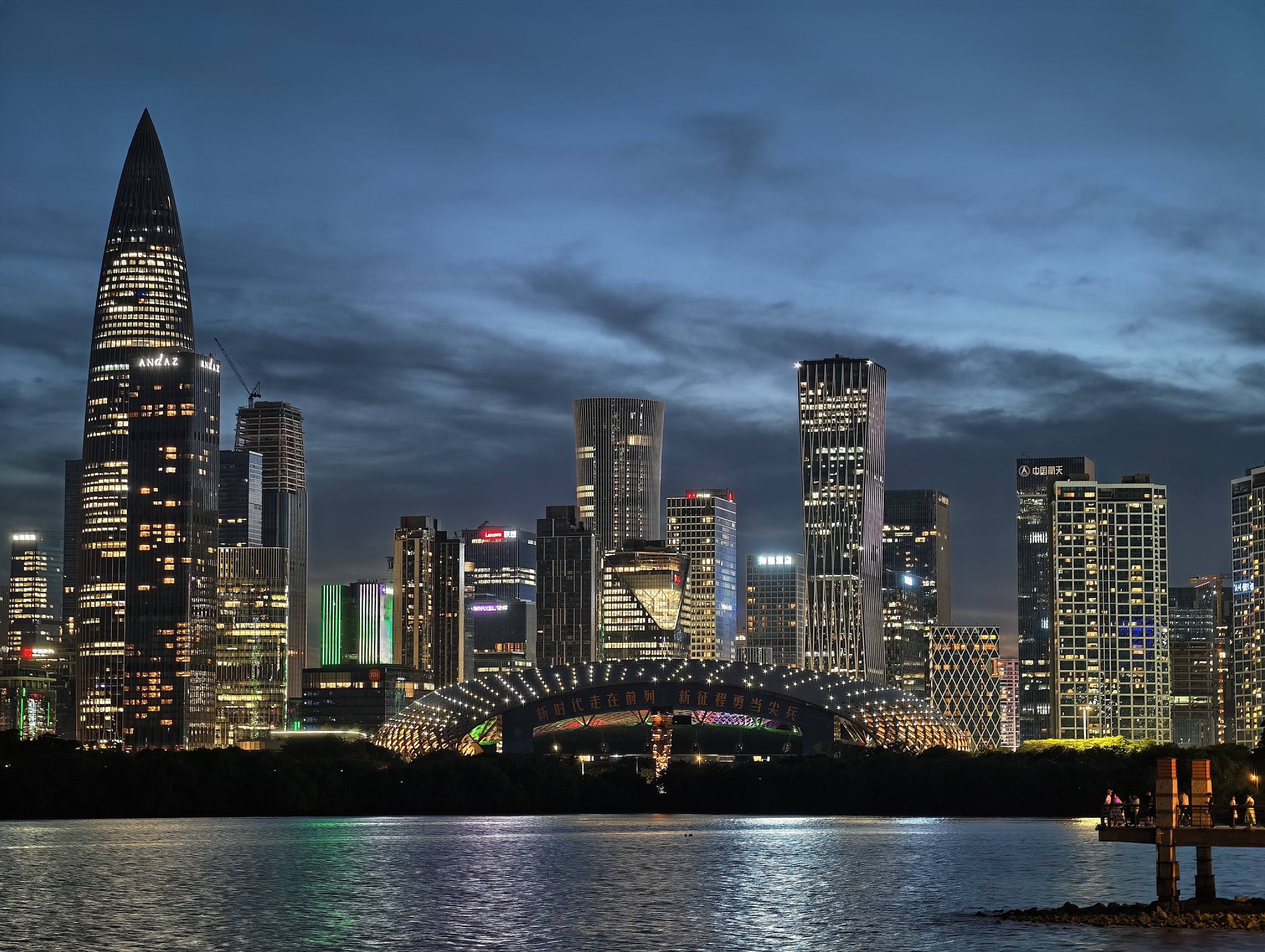
A view of Shenzhen, Guangdong Province, June 24, 2025. /VCG
How manufacturing in Guangdong evolved
To understand how Guangdong developed its advanced and innovation-based manufacturing, we need to look at its history of manufacturing for export.
"In the 1980s, Guangdong's growth was driven by processing trade, especially in light industries like textiles, using the 'front shop, back factory' model, in which Hong Kong handled orders while factories in the Pearl River Delta focused on production," said Wang Jun, former president of the Guangdong Academy of Social Sciences.
By the late 1990s, rising domestic costs and external pressures had begun to challenge this model. The 2008 global financial crisis, which led to shrinking orders, further accelerated the region's shift from processing trade to innovation-driven industrial upgrading, according to Wang.
Tuo Xiaorui from the Guangdong Institute of Science and Technology Information said that Guangdong stands out for its openness and innovation. It has broken new ground on China's path to reform and opening up. Its proximity to Hong Kong and Macao has enabled deep regional cooperation and expanded international science and technology exchanges.
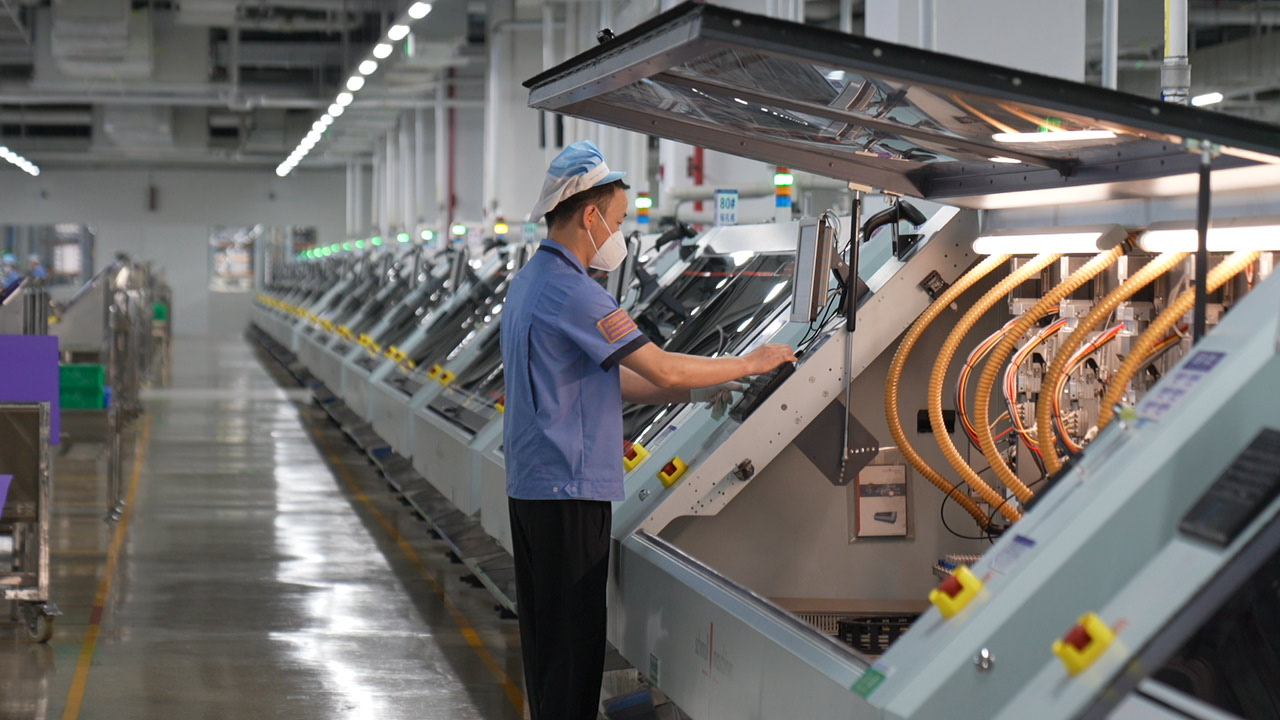
The production line of a company specializing in printed circuit board, Huizhou, Guangdong Province, June 26, 2025. /CGTN
Robust industrial chains and dynamic ecosystem
As a manufacturing heartland, Guangdong offers not only world-class industrial chains but also a dynamic ecosystem for innovation and growth.
"If you have an idea to build a robot or a drone in the morning, you can find all the necessary parts by the afternoon," said Zhao Bingbing, director of Shenzhen Longgang District Artificial Intelligence (Robotics) Administration, which is responsible for tasks such as coordinating development planning, ecosystem building, and application promotion in the AI and robotics sectors. "Shenzhen is a hardware paradise."
The materials and components required for product development can all be found in the GBA, where our products also have application markets. This creates a healthy and mutually beneficial cycle in the region, according to Liu Dexin, the deputy general manager of a Chinese high-tech enterprise specializing in advanced materials located in Chaozhou, Guangdong.
"Dongguan has strong manufacturing capacity and a mature supply chain ecosystem. As companies scale from initial prototypes to large-scale delivery, the local ecosystem also enables rapid product iteration and helps them to stay ahead in the industry," said Liu Xitong, director of external relations at a company that develops and manufactures robotic power modules.
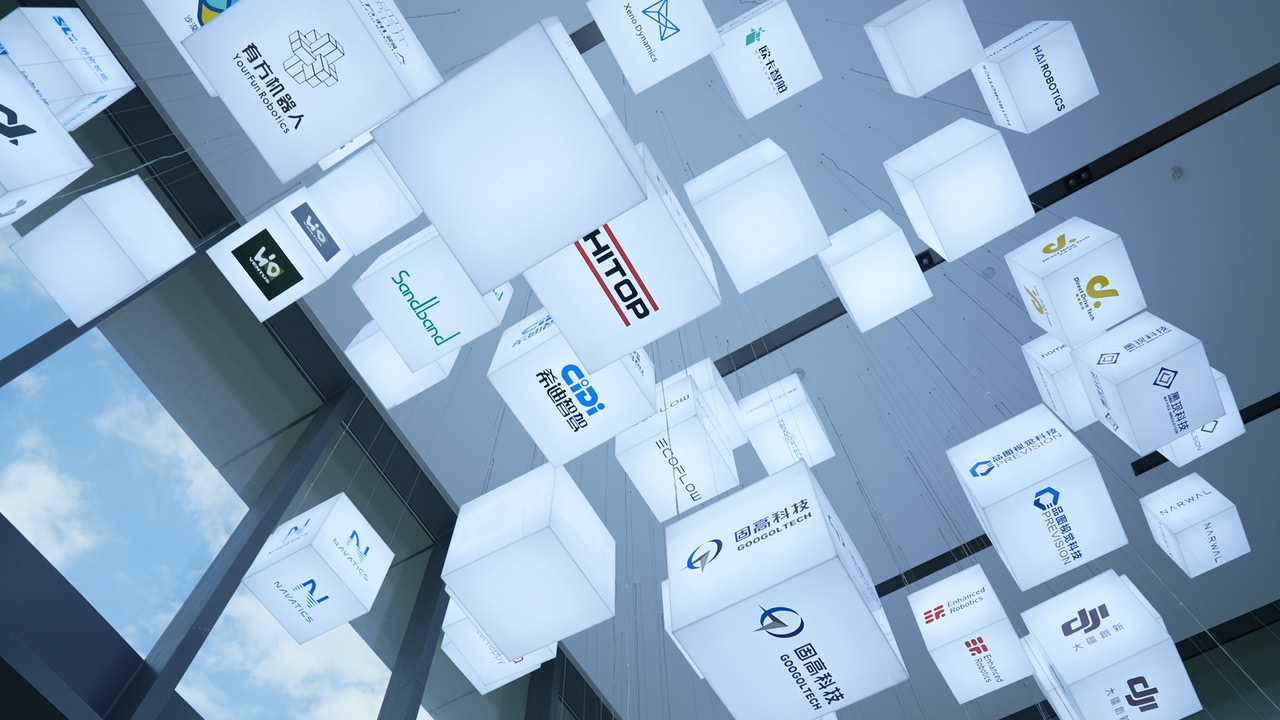
A view of XbotPark, Dongguan, Guangdong Province, June 23, 2025. /CGTN
The company is one of over 140 startups incubated by XbotPark, an international robot industry base within the Songshan Lake Science City. XbotPark is dedicated to nurturing tech entrepreneurs by offering funding, resources and mentorship.
Apart from XbotPark, the science city – an innovation hub that has sprung up where lychee groves used to grow – is home to several other platforms, including the Guangdong Intelligent Robotics Institute and the Songshan Lake Developer Village. Together, these institutions form a comprehensive ecosystem that supports scientific research, technology commercialization and enterprise development.
This ecosystem finds a parallel in Shenzhen's "Robot Valley," where over 74,000 robotics-related companies and nearly 10 universities have clustered, forming a major nerve center for the robotics industry both nationally and globally.
Zhuang said that Guangdong has established nine industrial clusters, each valued at over 1 trillion yuan.
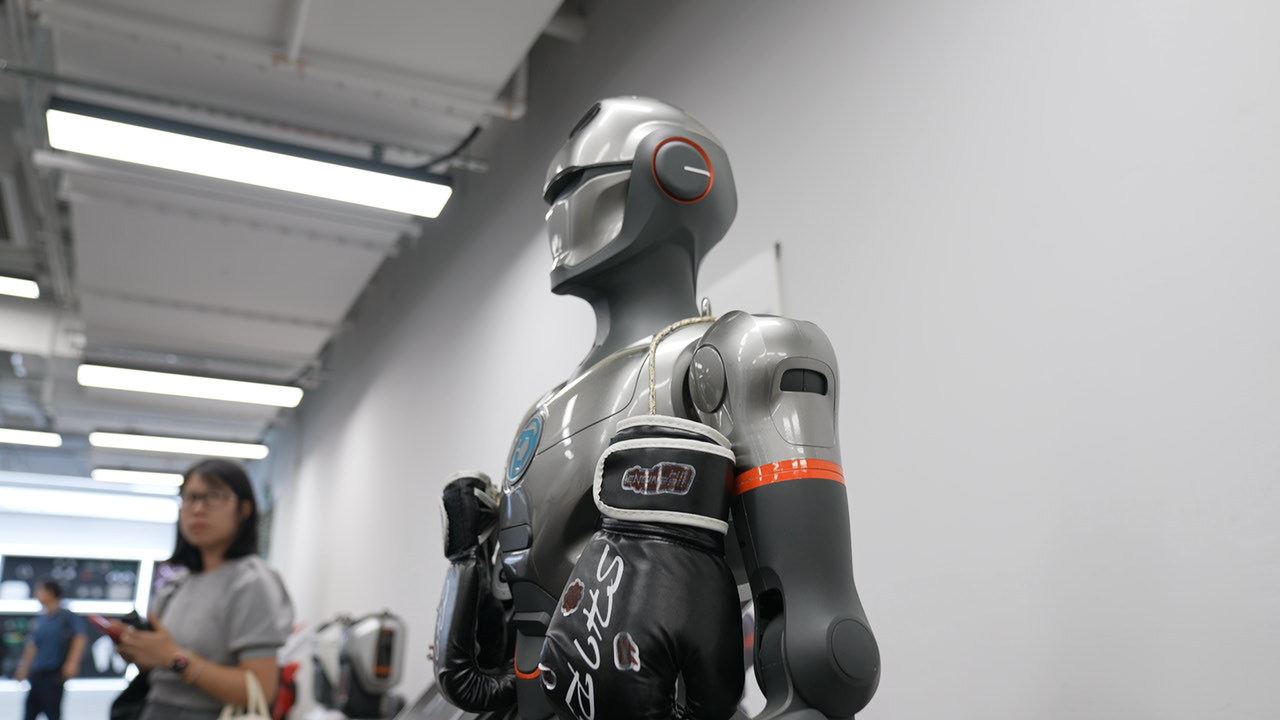
The product of a robotics startup in Shenzhen, Guangdong, June 25, 2025. /CGTN
Local authorities back innovation and startups
Guangdong's leading industrial chains and ecosystems are just part of the story. Robust local government support further drives the province's growth.
"We develop new energy marine propulsion systems, requiring water testing. The local government provided us with a rare test dock for our startup. This was an immense support, especially considering the legal and safety challenges involved," said Pan Zongliang, co-founder of a tech company in central Guangdong's Dongguan City.
Shenzhen's technology innovation ecosystem centers around enterprises, which greatly supports the development of emerging industries. The local government is open and welcoming to new companies and sectors, according to Zhu Yuxiang, a strategy manager in a robotics company in Shenzhen.
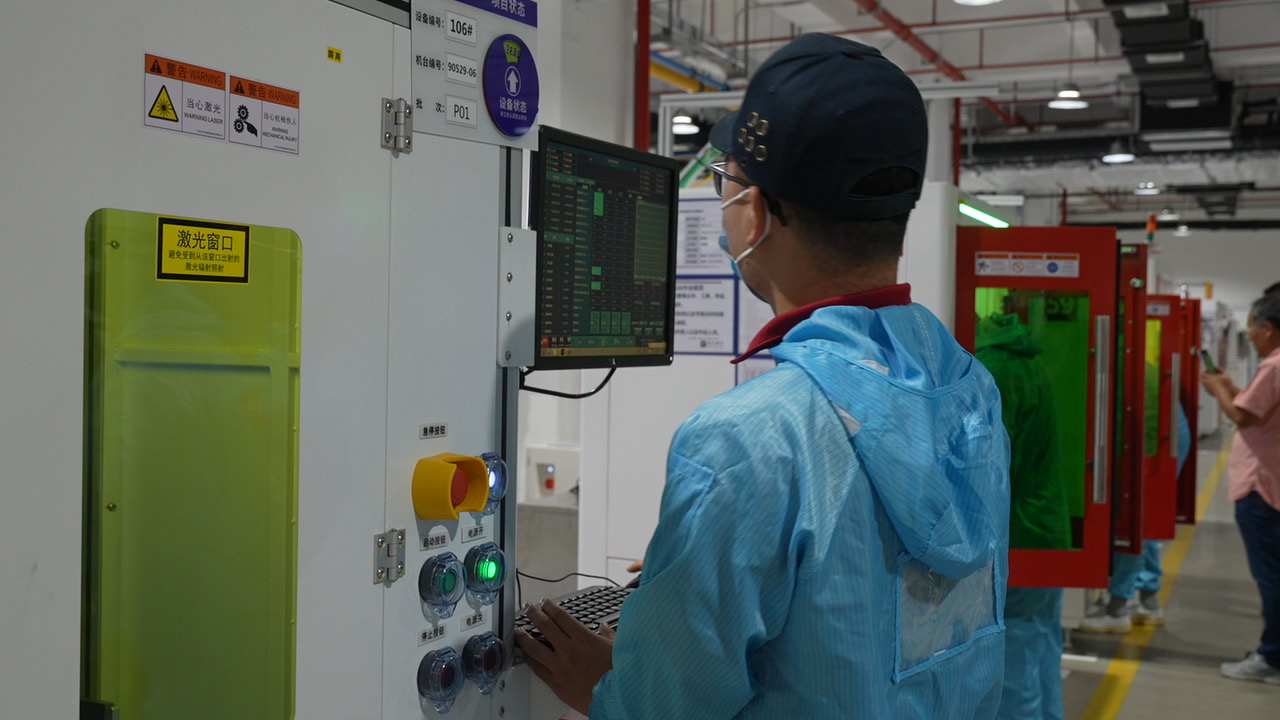
A staff member is operating the equipment, Huizhou, Guangdong, June 26, 2025. /CGTN
Doubling Down on Talent Attraction and Education
Chen Bin, CFO of a 3D vision tech firm, noted that the concentration of industries and the emergence of outstanding companies have a very strong and significant attraction for talent.
From April 13 to 26, the 2025 "Millions of Talents Gather in Guangdong" spring recruitment event attracted 140,000 graduates and received 430,000 resumes, matching over 32,000 candidates.
Under this initiative, the province has launched its most ambitious talent incentive program yet. It offers key benefits like employment subsidies, innovation funding, housing assistance and household registration incentives.
As for education, Wu Yanling, an inspector with the provincial education department, said Guangdong is focused on enhancing the overall strength of higher education and scientific innovation to support the province's high-quality development.
According to Wu, the total number of universities and colleges in the province has reached 166. Since 2021, over 440 new undergraduate programs have been added in fields such as robotics, integrated circuits and AI.
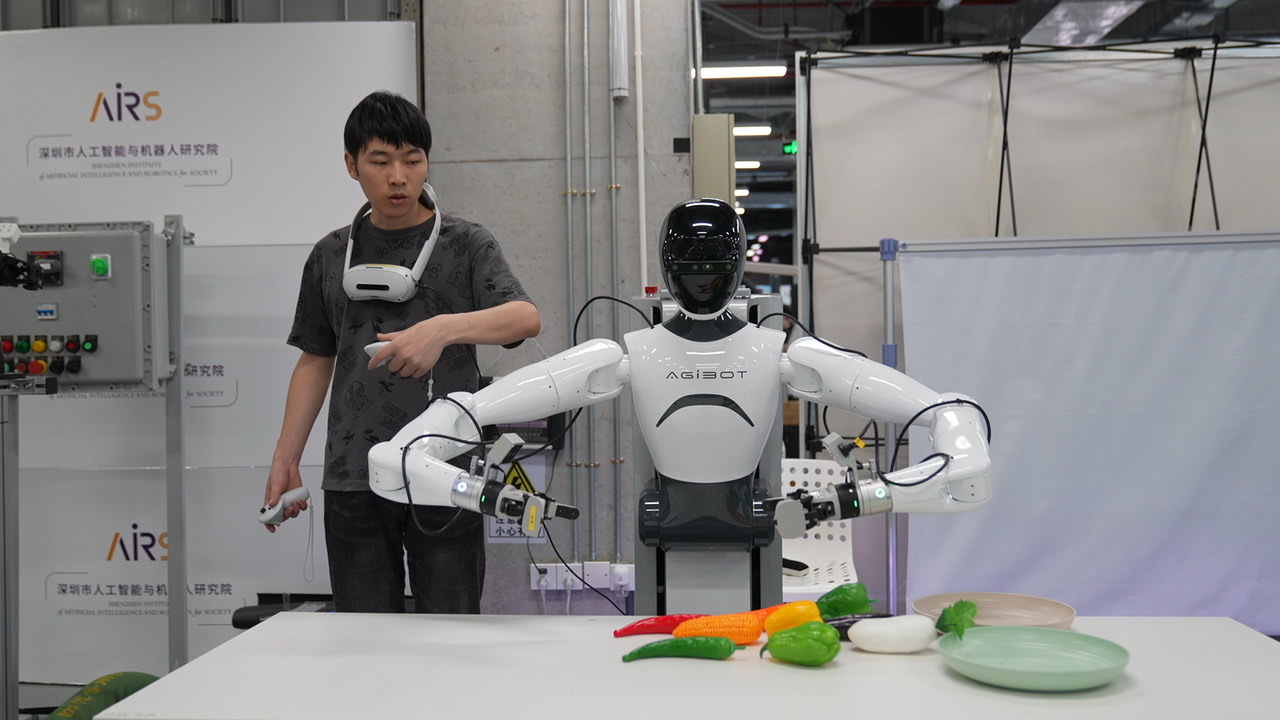
A staff member is operating the robot to pick up objects, Shenzhen, June 25, 2025. /CGTN
Zhuang noted that the province also plans to develop emerging industries such as quantum technology and 6G, while advancing innovation in AI and embodied AI robots. It aims to cultivate more leading enterprises and build large-scale industrial clusters to strengthen its manufacturing competitiveness.
Guangdong leverages its strengths – such as location, industrial chains, innovation ecosystem, government support and talent policies – to accelerate high-quality manufacturing transformation, steadily progressing towards becoming a global leader in the tech industry.
Search Trends
SITEMAP
Copyright © 2023 CGTN. 京ICP备16065310号

Disinformation report hotline: 010-85061466
SITEMAP
Copyright © 2023 CGTN. 京ICP备16065310号
Disinformation report hotline: 010-85061466