By continuing to browse our site you agree to our use of cookies, revised Privacy Policy and Terms of Use. You can change your cookie settings through your browser.









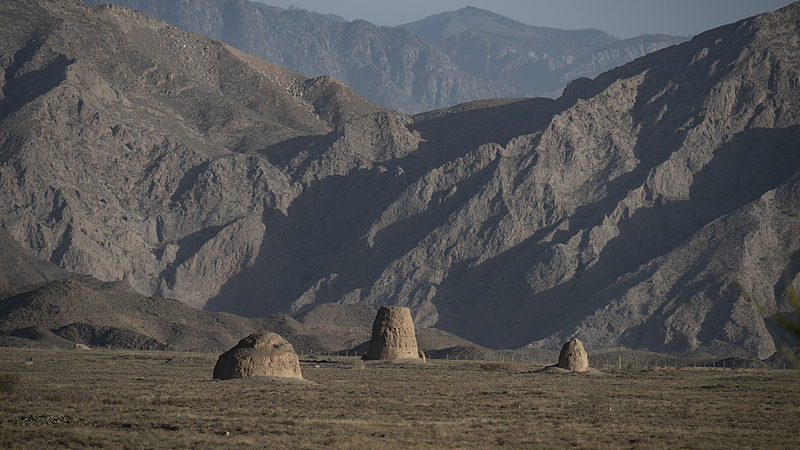
China's Xixia Imperial Tombs were inscribed on the World Heritage List on Friday during UNESCO's 47th session of the World Heritage Committee, held in Paris, France. Between the 11th and 13th centuries CE, the Tangut people established the Xixia Dynasty in northwest China, a period of great cultural richness and historical significance. The Xixia Imperial Tombs site features nine imperial mausoleums, 271 subsidiary tombs, and over 7,100 artifacts, earning the nickname the "Pyramids of the East." Join us live to see the world heritage on site.
CHOOSE YOUR LANGUAGE
- Albanian Shqip
- Arabic العربية
- Belarusian Беларуская
- Bengali বাংলা
- Bulgarian Български
- Cambodian ខ្មែរ
- Croatian Hrvatski
- Czech Český
- English English
- Esperanto Esperanto
- Filipino Filipino
- French Français
- German Deutsch
- Greek Ελληνικά
- Hausa Hausa
- Hebrew עברית
- Hungarian Magyar
- Hindi हिन्दी
- Indonesian Bahasa Indonesia
- Italian Italiano
- Japanese 日本語
- Korean 한국어
- Lao ລາວ
- Malay Bahasa Melayu
- Mongolian Монгол
- Myanmar မြန်မာဘာသာ
- Nepali नेपाली
- Persian فارسی
- Polish Polski
- Portuguese Português
- Pashto پښتو
- Romanian Română
- Russian Русский
- Serbian Српски
- Sinhalese සිංහල
- Spanish Español
- Swahili Kiswahili
- Tamil தமிழ்
- Thai ไทย
- Turkish Türkçe
- Ukrainian Українська
- Urdu اردو
- Vietnamese Tiếng Việt

CHOOSE YOUR LANGUAGE
- Albanian Shqip
- Arabic العربية
- Belarusian Беларуская
- Bengali বাংলা
- Bulgarian Български
- Cambodian ខ្មែរ
- Croatian Hrvatski
- Czech Český
- English English
- Esperanto Esperanto
- Filipino Filipino
- French Français
- German Deutsch
- Greek Ελληνικά
- Hausa Hausa
- Hebrew עברית
- Hungarian Magyar
- Hindi हिन्दी
- Indonesian Bahasa Indonesia
- Italian Italiano
- Japanese 日本語
- Korean 한국어
- Lao ລາວ
- Malay Bahasa Melayu
- Mongolian Монгол
- Myanmar မြန်မာဘာသာ
- Nepali नेपाली
- Persian فارسی
- Polish Polski
- Portuguese Português
- Pashto پښتو
- Romanian Română
- Russian Русский
- Serbian Српски
- Sinhalese සිංහල
- Spanish Español
- Swahili Kiswahili
- Tamil தமிழ்
- Thai ไทย
- Turkish Türkçe
- Ukrainian Українська
- Urdu اردو
- Vietnamese Tiếng Việt
互联网新闻信息许可证10120180008
Disinformation report hotline: 010-85061466
China's Xixia Imperial Tombs were inscribed on the World Heritage List on Friday during UNESCO's 47th session of the World Heritage Committee, held in Paris, France. Between the 11th and 13th centuries CE, the Tangut people established the Xixia Dynasty in northwest China, a period of great cultural richness and historical significance. The Xixia Imperial Tombs site features nine imperial mausoleums, 271 subsidiary tombs, and over 7,100 artifacts, earning the nickname the "Pyramids of the East." Join us live to see the world heritage on site.