The 2026 Global Poverty Reduction and Development Forum closed in Beijing with wide international acclaim for China's poverty reduction governance and a landmark new global initiative to accelerate shared development.
Read more:
Global partnership launched in Beijing to fight poverty, promote development
During the forum, the Global Partnership for Poverty Alleviation and Development (GPPAD) was officially launched. Initiated by China together with 53 countries and nine international organizations, the partnership aims to strengthen experience sharing, respect national realities and tackle poverty at its roots through broad-based cooperation involving governments, international organizations, enterprises, academia and media.
Chinese Vice Premier Liu Guozhong stressed the urgent need for joint global action to advance poverty reduction. He stated that China will support the GPPAD in policy dialogue, technical demonstration and talent training and launch a series of "small yet smart" projects to help developing countries strengthen their anti-poverty capacity.
Read more:
Chinese vice premier urges joint efforts to accelerate global poverty reduction
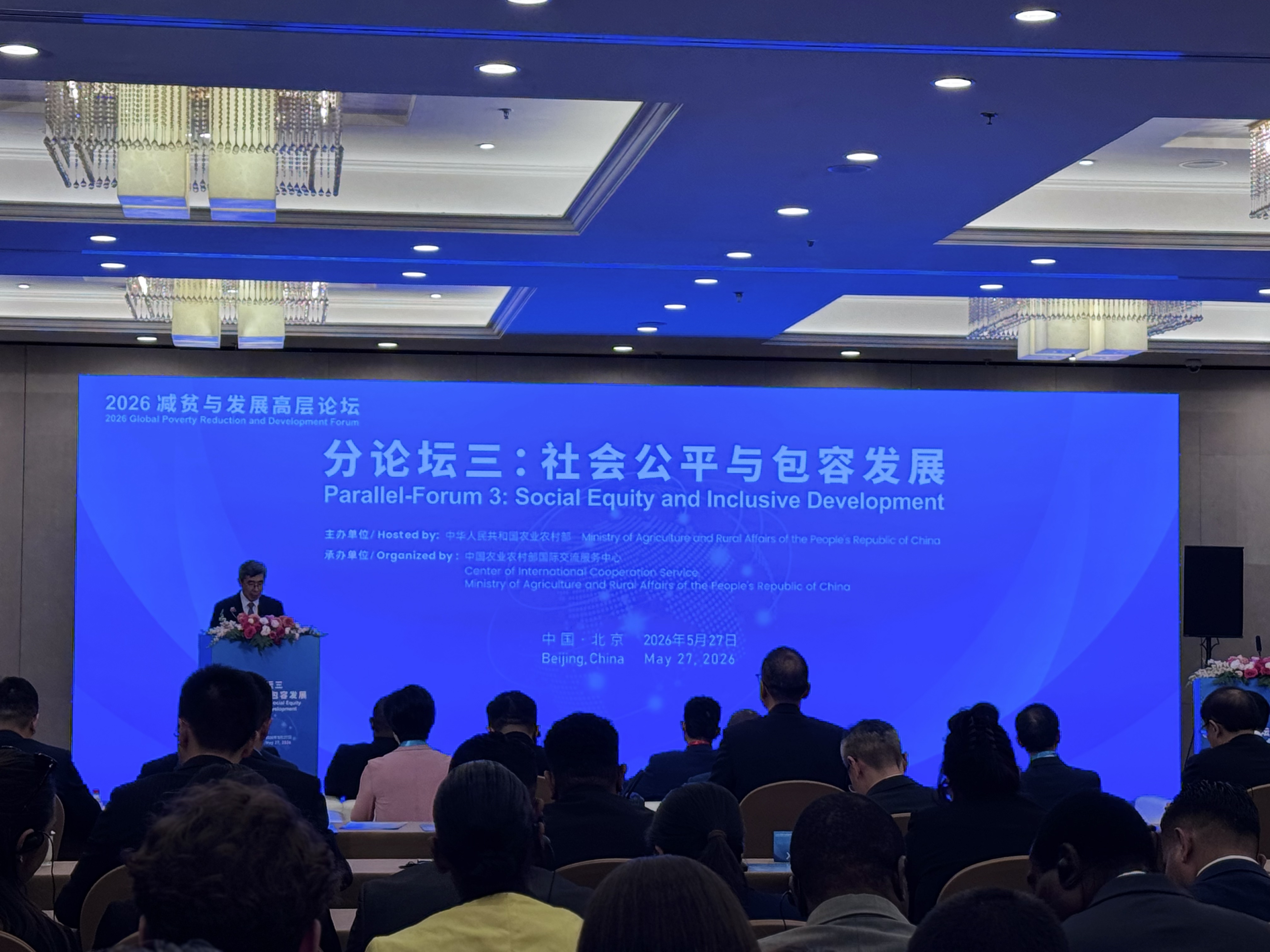
A parallel-forum at the 2026 Global Poverty Reduction and Development Forum. /CGTN
Top global experts at the forum agreed that China's achievements in eradicating absolute poverty and promoting rural revitalization provide highly valuable experience for the world.
Sabina Alkire of Oxford University highlighted China's targeted poverty alleviation model, noting its strong political commitment, sustained investment, hierarchical management and household-specific interventions as key pillars for global learning.
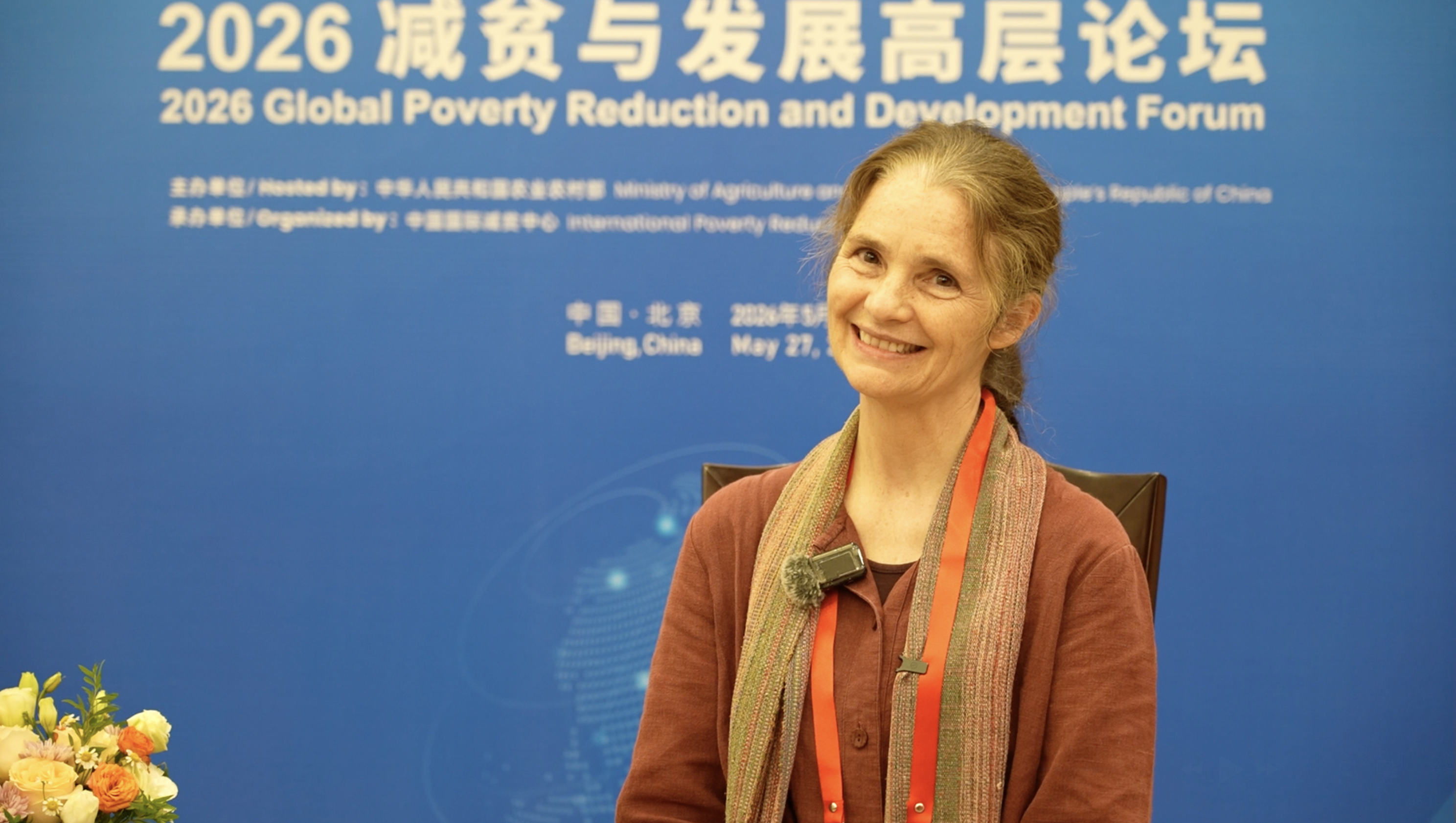
Sabina Alkire, director the Oxford Poverty and Human Development Initiative (OPHI) at the University of Oxford. /CGTN
Maximo Torero Cullen from the Food and Agriculture Organization focused on agriculture, resilience and trade. He recognized China's efforts in supporting smallholder farmers and opening market access and pointed out that modern poverty reduction requires stronger infrastructure, food safety systems and trade.
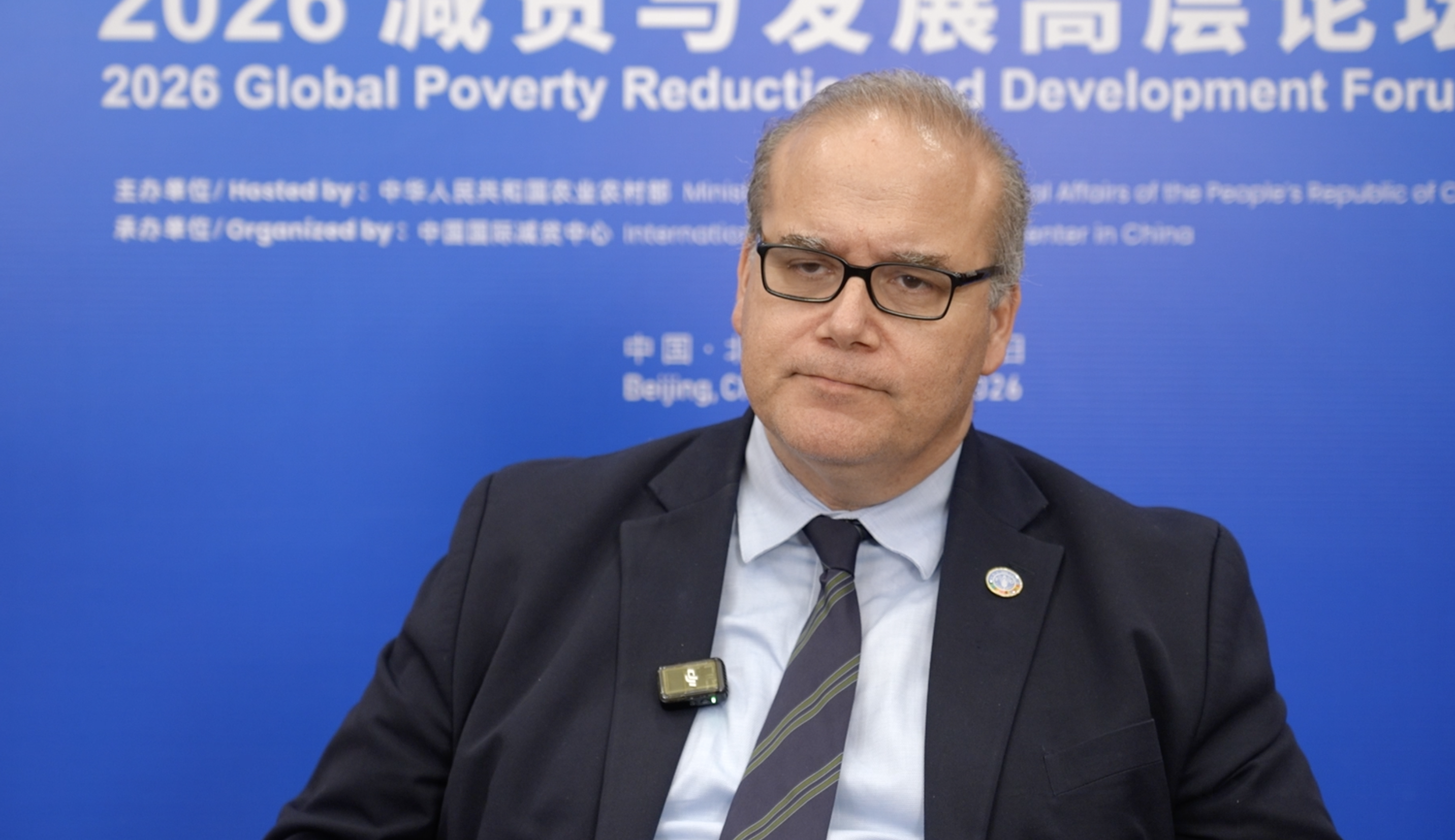
Maximo Torero Cullen, chief economist of the Food and Agriculture Organization of the United Nations. /CGTN
Chen Zhigang, senior research fellow in the Development Strategies and Governance Unit, said China's accurate targeting mechanism and its transition from poverty alleviation to rural revitalization offer practical and adaptable solutions. He underlined the importance of political will, sustained investment and market vitality.
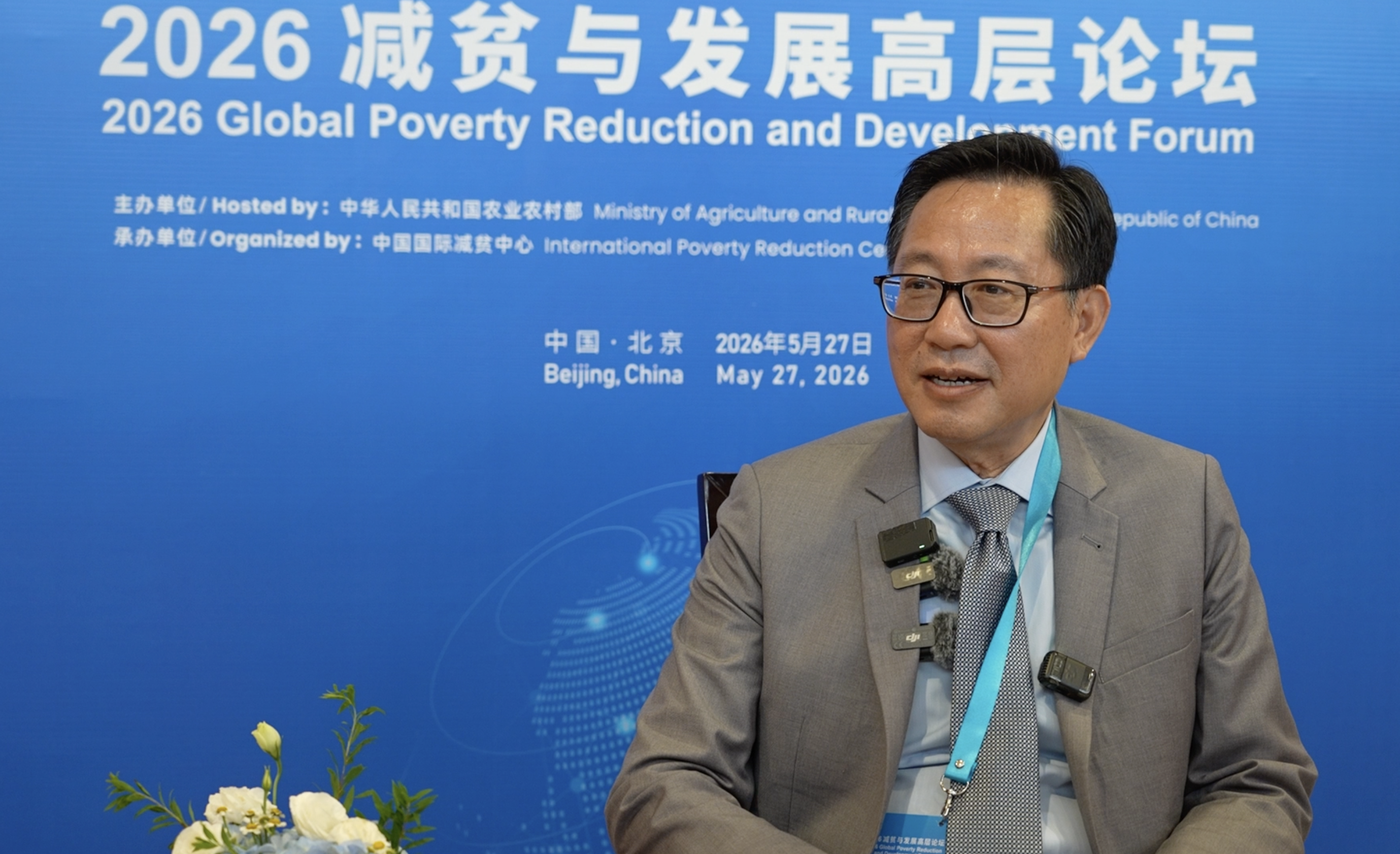
Chen Zhigang, senior research fellow in the Development Strategies and Governance Unit. /CGTN
Heidi Kuhn, 2023 World Food Prize winner, linked agriculture, food security and peace. She commended China's people-centered approach and its focus on empowering women and rural communities, viewing it as a path to inclusive prosperity and stability.
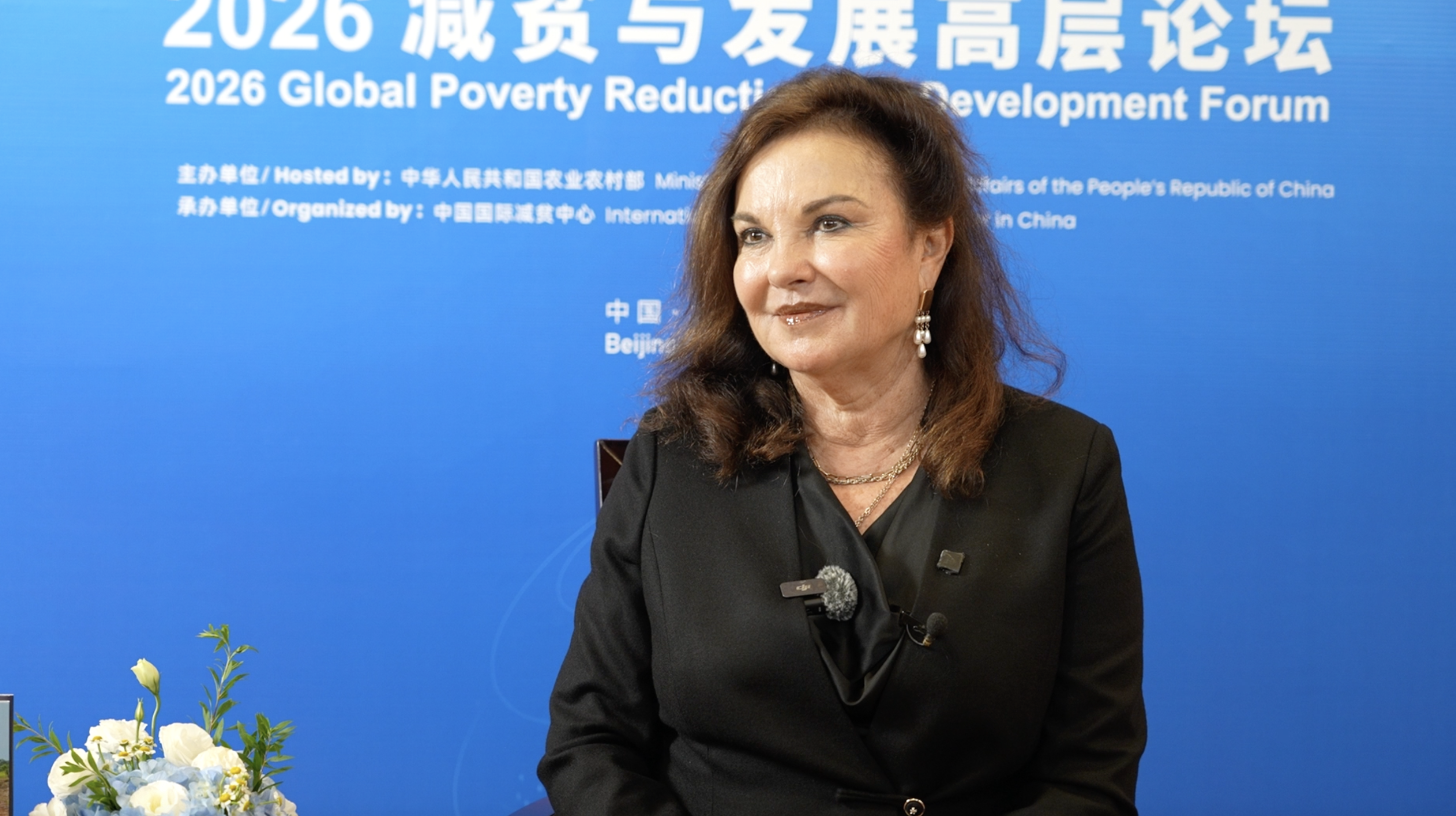
Heidi Kuhn, 2023 winner of the World Food Prize, founder and CEO of Roots of Peace. /CGTN
With the UN 2030 Sustainable Development Goals facing mounting challenges, the forum sent a clear message: international cooperation and experience sharing are more important than ever. China's practice, together with the new global partnership, is expected to inject strong momentum into building a poverty-free world for all.