
A mobile phone displays Bologna's climate shelter map in front of Biblioteca Salaborsa during the heatwave in Bologna, Italy, June 29, 2026. /VCG
Europe is in the grip of a record heatwave that has caused hundreds of excess deaths, melted asphalt and bent rail tracks, with Italy and the Balkans bearing the brunt on Monday.
Across the Atlantic, the National Weather Service warned of "dangerous heat," with temperatures between 32 and 38 degrees Celsius across much of central and eastern US in the days leading up to the July 4 celebrations marking the 250th anniversary of the Declaration of Independence.
"The combination of prolonged daytime heating and limited nighttime relief will increase the risk of heat-related illnesses, especially for vulnerable populations and those without adequate cooling," the agency added.
Western Europe is bracing for a new hot spell forecast for next week, after temperatures dipped from record June highs.
In Italy, 22 cities, from Bolzano in the north to Palermo on the southern island of Sicily, were placed under a red heat warning on Monday.
Pilgrims at the Vatican used fans to cool themselves and sheltered under umbrellas for shade.
Wildfires in Western Balkans
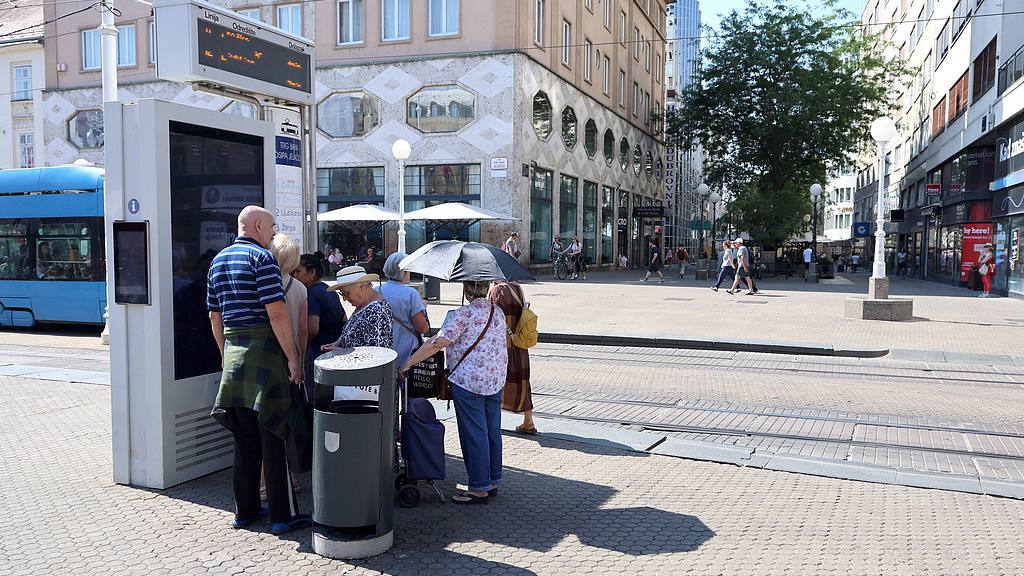
People in the shade amid heatwave with temperatures exceeding 38 degrees Celsius, Zagreb, Croatia, June 29, 2026. /VCG
Also on Monday, Croatia's weather service issued a red alert for capital Zagreb and tourist destinations Split and Dubrovnik.
Dozens of firefighters, assisted by four aircraft, battled a wildfire consuming pine forests on the tourist island of Vis in the Adriatic Sea, some 55 km southwest of Split.
Serbia also recorded temperatures exceeding 40 degrees Celsius in parts of the country on the same day as extreme weather and heat warnings came into effect, urging residents to stay indoors whenever possible and avoid strenuous outdoor activities.
Further south, Albania contained a wildfire that has consumed hectares of bushes and olive trees near the southern village of Klos over the weekend.
The heatwave, which began on June 20, set records for early summer. The scorcher disrupted power generation, damaged infrastructure and overwhelmed healthcare systems.
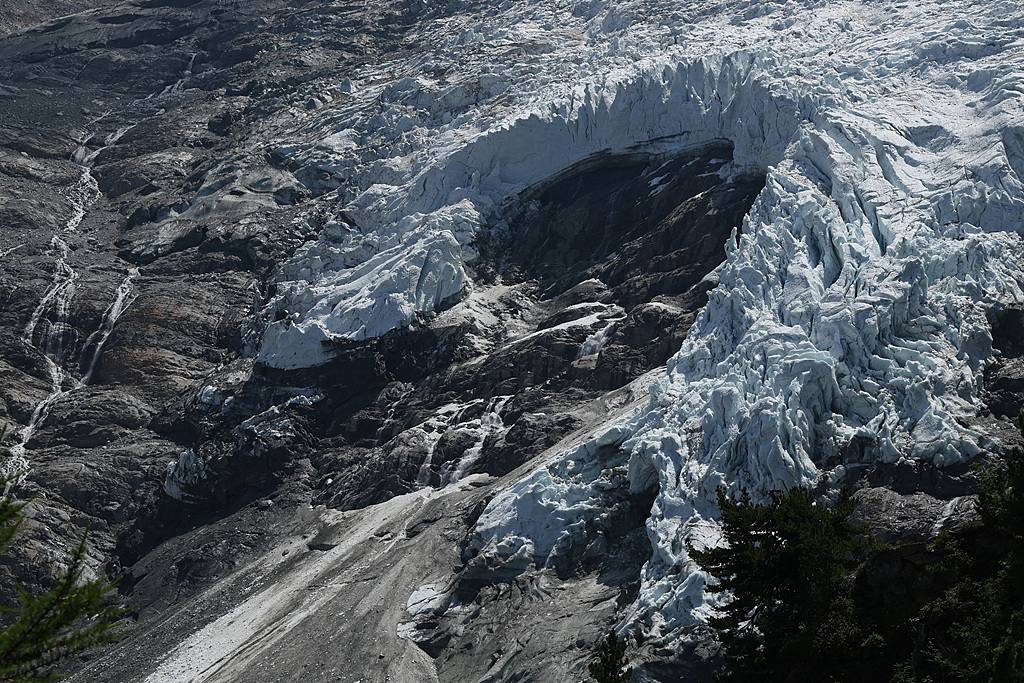
Meltwater streams down from the receding Bossons glacier during a Europe-wide summer heat wave near Chamonix-Mont-Blanc, France, June 28, 2026. /VCG
France has reported 1,000 excess deaths blamed on the blistering heat. The French public health agency said most of the heat-related fatalities involved older people and warned the number was expected to rise.
French media reported that funeral homes in Paris and the surrounding area were overwhelmed by the number of bodies.
The heatwave would have been "virtually impossible" without human-caused climate change, which has made this week's soaring nighttime temperatures 100 times more likely than they would have been just two decades ago, according to scientists.
Temperatures likely to soar again in July
Daniele Mocio, a meteorologist with the Italian Air Force, expects the hot streak to continue into the next few days in central and eastern Europe, with temperatures running 8 to 10 degrees Celsius above average. Any relief further west in Europe was likely to be short-lived.
Luca Mercalli, the president of Italy's Meteorological Society, said temperatures were set to soar again from July 5 or 6.
"The areas affected look broadly the same as in the first wave, including France, Spain, Germany, Italy, Switzerland and to some extent Britain," Mercalli told Reuters.
"With the extreme heat the risk of forest fires increases, but we are also seeing a lot of rainstorms, which obviously mitigates that risk," he added, noting that storms were very localized so rainfall amounts could vary greatly.
(With input from Reuters)