
13:38, 14-Mar-2019
CGTN Observes: Fighting poverty
Updated
13:30, 17-Mar-2019
 []
[]
Share







Copied
04:36
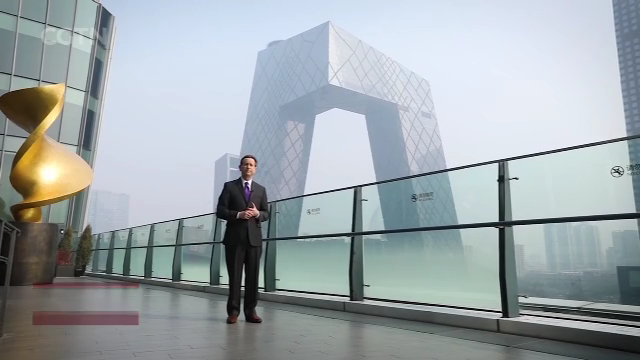
Now let's move to the latest episode of our special series, "CGTN Observes", where anchors share their thoughts on important issues related to China. Today, my colleague Mike Walter - from Washington DC - takes a look at how China's poverty alleviation is contributing to its goal of building a moderately prosperous society by 2020.
MIKE WALTER BEIJING A hot topic at this year's two sessions will be the latest results in China's concerted effort to tackle and eradicate extreme poverty. President Xi Jinping set a target to build a moderately prosperous society by 2020 which includes completing the goal of eradicating poverty. So with 2020 just around the corner it will be interesting to see what type of inroads the country is making in this difficult campaign. Xi says local governments should take the lead in poverty relief. And those who study this remarkable story say that is the key to China's success. I recently interviewed Yuen Yuen Ang who wrote the book 'How China escaped the Poverty Trap'. She says one local official in China told her 'A distinct feature of our political system is that we can get things done fast, especially great things.' The deputy director of The International Poverty Reduction Center in China agrees.
In an address to UN officials in April of 2018 Tan Weiping pointed out that from 1981 to 2013 China lifted 850 million people out of poverty. The percentage of people living in extreme poverty fell from 88 percent to 1.8 percent. To put that into context that means China has contributed to over 70 percent of poverty reduction across the world. China is now adopting new measures to target the remaining rural areas where the fight to get people there out of poverty is most difficult.
Those innovative steps include developing tourism, and e-commerce. New goals for hard hit rural areas include providing food and clothing, compulsory education, basic health care, and housing security. China's historic journey puts in on pace to achieve the poverty reduction targets outlined in the UN 2030 Agenda. But China won't wait until 2030, it's determined to hit this milestone ten years ahead of the UN target. But some are critical of China's anti-poverty timeline - challenging the country to do more sooner.
An article in last month's The Economist said this: "In fact there is much China could do if it truly wanted to reduce inequality. For a start, it could make it easier for those born in rural areas to move to cities. It has, over the past decade, built up a social-security system that gives almost all citizens health insurance and old-age pensions. But payments are meager. As ageing accelerates, the burden will only increase".
Bloomberg News has had headlines like "The Trouble with China's Anti-Poverty Efforts". And in just last two-and-a-half years Jacob Shapiro wrote an article for Geopolitical Futures entitled "China Is Still Really Poor". Despite the criticism there is no denying what China has done at home and abroad. China is exporting its knowledge on poverty alleviation to other developing countries.
In the past six decades China has pumped in aid dollars and expertise into 166 countries and international organizations. These efforts have caught the eye of a number of international bodies. Jim Young Kim, the head of the World Bank last November spoke about China's unprecedented work saying the country is now within striking distance of eliminating extreme poverty. So as the Two Sessions get underway, while many western journalists will focus on the country's GDP, or the trade friction with the United States, they'll be missing one of the most important stories of our time, how one country has lifted millions out of poverty. This will be a year to watch because 2020 is just around the corner when China hopes to reach this important goal.