
13:26, 04-May-2019
Centenary of May Fourth Movement: Materials of movement on display at Liaoning Provincial Archive
Updated
13:20, 07-May-2019
 []
[]
Share







Copied
03:10
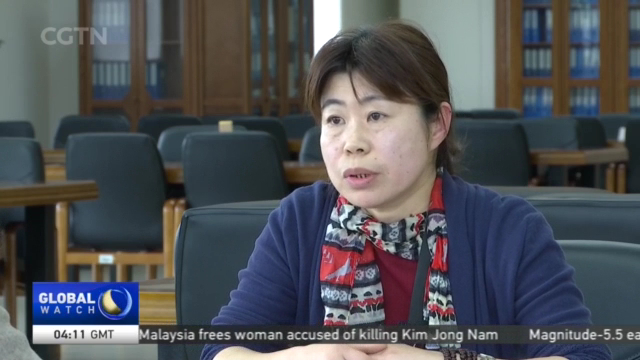
And in northeastern China's Liaoning Province, the provincial archive has unveiled some special collections to the public. These precious materials bring a highly poignant chapter in the nation's history back to life. CGTN's Feng Yilei takes us there.
May 4th, a turning point in China's contemporary history. A century ago, a series of protests broke out across the country, which later changed the cultural and political trajectory. Documents recently unveiled at the Liaoning provincial Archive, depict a suffering period with territorial losses, humiliating treaties and China's defeat at the post-war Paris Peace Conference.
HE LI, DEPUTY DIRECTOR ARRANGEMENT DEPT., LIAONING PROVINCIAL ARCHIVE "In the speaking notes of China's then-representative Wellington Koo, he stated how Germany and Japan have taken over lands and gotten concessions from China, and why they should be given back. The speech sounds coherent and convincing. But preferential diplomacy would never be applied to a weak nation who placed all of its hope on the conference."
The Treaty of Versailles left China nothing but shame transferring German-leased rights over Chinese territories to Japan. The embarrassment soon sparked demonstrations, boycotts and strife among the Chinese public, first in Beijing, then to many other regions. The protestors, mostly youth brigades, working class and also new national bourgeoisie, called for protecting national sovereignty while fighting against imperialists. Their strong emotions and demands can still be seen in fliers, publications and official papers.
HE LI, DEPUTY DIRECTOR ARRANGEMENT DEPT., LIAONING PROVINCIAL ARCHIVE "Under pressure from all walks of life, the Chinese delegation finally refused to sign the treaty. But meanwhile, common Chinese saw the cowardliness and incompetence of the Beiyang government. They realized that only when everyone participated in democratic revolution, instead of relying on authority, can the nation and its people be saved."
As the May Fourth Movement kept escalating, it became more than a nationalist and anti-feudal action. New social forces like an intellectual class emerged, and Chinese society opened up as new ideas like democracy, science and socialism were introduced. Its profound sociopolitical impact is not just on China's independence and the of individuals. Many believe it's still of great significance today.
HE SUJUN, DIRECTOR LIAONING PROVINCIAL ARCHIVE "These archives are unique resources. They provide the most vivid, concrete and accurate proof to help people today understand what really happened, and thus pass on the spirit of the movement and call on people to take responsibility."
FENG YILEI SHENYANG, LIAONING PROVINCE "100 years on, China's national power as well as its youth has changed dramatically. Reviewing the archives allow us to look back and move forward. Feng Yilei, CGTN, Shenyang, Liaoning Province."