
World
11:26, 20-Mar-2018
Four countries set to exit Least Developed Countries status
 ["other","World"]
Share







Copied
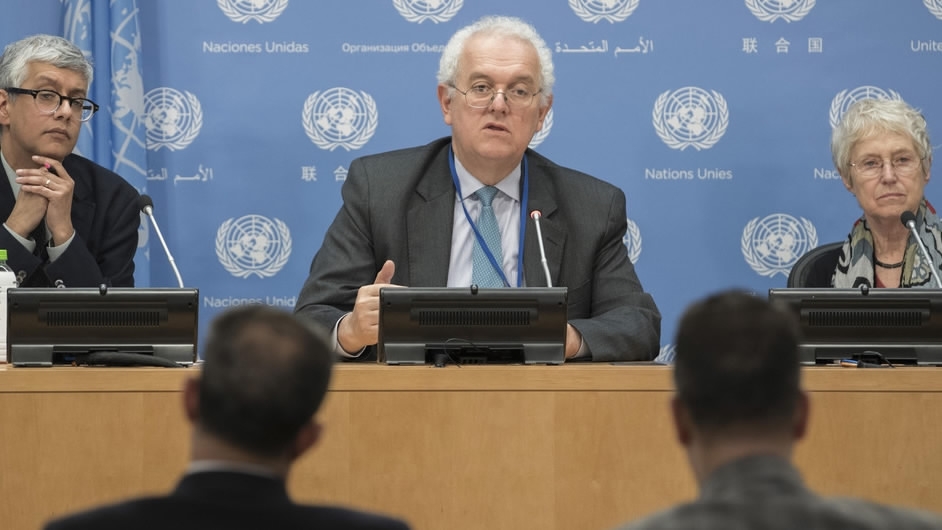
United Nations Committee for Development Policy (CDP) has recommended elevating the status of four countries – Bhutan, Kiribati, São Tomé and Principe and Solomon Islands – from least developed countries (LDC).
LDC status is assessed on the basis of health, education targets, economic vulnerability and gross national income per capita (GNI). CDP’s triennial reviews consider two of the three criteria to decide on raising the status of these countries.
“This is a historic occasion,” said Professor Jose Antonio Ocampo, chair of the Committee for Development Policy. “In the 47 years since the start of the Least Developed Countries category, only five countries have previously left the list.”
He added that two more countries, Vanuatu and Angola, are scheduled for graduation in 2020 and 2021 respectively.
The CDP has submitted the recommendation for elevating the status of four LDC countries to the UN Economic and Social Council (ECOSOC) for endorsement. After ECOSOC’s perusal, the decision will be referred to the UN General Assembly.
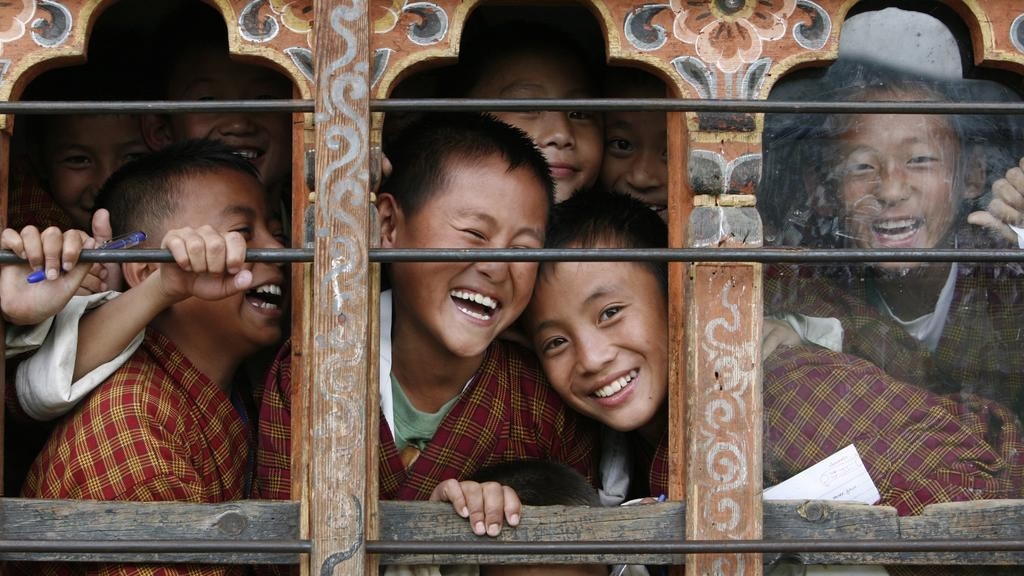
Bhutan will soon exit the Least Developed Countries group. /Reuters Photo
Bhutan will soon exit the Least Developed Countries group. /Reuters Photo
Ocampo pointed out that if the recommendation is endorsed by the ECOSOC, 2018 has the potential to be a momentous year, increasing by more than half the total number of LDC graduates. “Never before have so many countries been identified at a single review of the Committee for Development Policy.”
Bhutan, São Tomé, and Principe, per capita GNI has tripled, the under-five mortality rate declined, and gross secondary enrolment in schools more than doubled from 2003 to 2018. During that same period, the per capita GNI and secondary school enrollment doubled for the Solomon Islands.
Kiribati despite facing one of the worst impacts of climate change managed to triple its per capita income. The island country is also performing very well in health and education.
The CDP has recommended that Kiribati’s graduation is contingent on the creation of a category of nations facing extreme vulnerability to climate change and other environmental shocks.
“Kiribati and other extremely vulnerable countries should receive support targeting their specific vulnerabilities to climate change and other environmental shocks,” the CDP said in a press statement.
Thinley Namgyel, secretary of the Gross National Happiness Commission, Bhutan, maintained the transition period presents a unique opportunity to mainstream the transition strategy into the national development plan and incorporate our obligation to fulfill the target of the 17 Sustainable Development Goals.
São Tomé and Príncipe have requested the CDP to extend the preparatory period of three years. The CDP has reportedly agreed to the request. “The country could use the extended preparatory period to embark on the transition process and to engage its trading and development partners and the United Nations system,” said Ocampo.
During the review the CDP found Nepal and Timor-Leste also met the criteria for graduation from the LDC. However, considering the prevailing economic and political challenges, the committee decided to discuss their graduation at the next triennial review in 2021.
Bangladesh and Myanmar also met the graduation criteria for the first time but would need to meet the requirements for a second time at the next triennial review in 2021 to become eligible to be considered for graduation.
According to the UN, globally, there are 47 LDCs, majority, 33 of which are in Africa, while 13 are located in the Asia-Pacific region and one Latin America.
Addressing a public event, Sheikh Hasina, Bangladesh’s prime minister, said, “UN has recognized Bangladesh’s eligibility as a developing country, and I want to share this good news with the nation on the birth anniversary of Bangabandhu.”