
14:40, 27-Apr-2019
Philadelphia Mobile Payments: Cashless stores are considered unintentional discrimination
Updated
14:30, 30-Apr-2019
 []
[]
Share







Copied
02:27
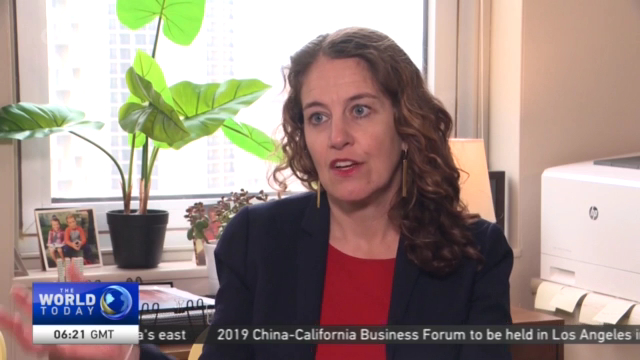
Many parts of the world are going cashless. A growing number of businesses say they prefer the efficiency and safety of mobile transactions. But in the United States, some cities are pushing back, saying cashless stores unintentionally discriminate. Philadelphia has taken the lead in this backlash. Karina Huber has more.
Philadelphia - like many US cities - has stores that don't accept cash. Fast-casual restaurant chain, Sweetgreen, is an example. It's part of a global trend that is growing. Many businesses say cashless stores make transactions faster and safer.
KARINA HUBER PHILADELPHIA "But as of July, Sweetgreen - along with most other stores and restaurants in Philadelphia - will have to let customers pay with legal tender. If not, they could face a fine of up to two thousand dollars."
That's because Philadelphia just became the first major US city to ban cashless establishments. City Councilman Bill Greenlee co-sponsored the bill.
WILLIAM GREENLEE PHILADELPHIA CITY COUNCILMAN "I think it's a form of discrimination. Some people don't have the same access to buy a basic product that others do."
The mayor's office says 26 percent of Philadelphia residents live below the poverty line. Some - mainly minorities and immigrants - don't have bank accounts -- and don't have access to credit.
The ban comes as Amazon Go - a cashless store chain - was considering opening a branch in Philadelphia. Amid mounting critisism from opponent, Amazon Go has reportedly reverse course and decided to accept cash at its stores. Amazon may have caved to pressure, but Sylvie Gallier Howard is concerned that the ban sends an anti-business message.
SYLVIE GALLIER HOWARD PHILADELPHIA FIRST DEPUTY COMMERCE DIRECTOR "If lots of businesses are moving to this model and decide we're going to close, we're not going to open more, that becomes a concern because then we start to lose jobs."
WILLIAM GREENLEE PHILADELPHIA CITY COUNCILMAN "I would say, what message are we sending that somebody can't go in to get a cup of coffee because they don't have a credit card. I think that's a worse message."
Greenlee says the ban could be temporary. He says it may no longer be necessary once Philadelphia solves its challenge of providing access to the unbanked. But other cities including New York and San Francisco are considering similar bans. Karina Huber, CGTN, Philadelphia.