
Tech & Sci
17:21, 12-Apr-2018
UN pledges one billion vaccinations by 2026 to eliminate yellow fever in Africa
 ["africa"]
Share







Copied
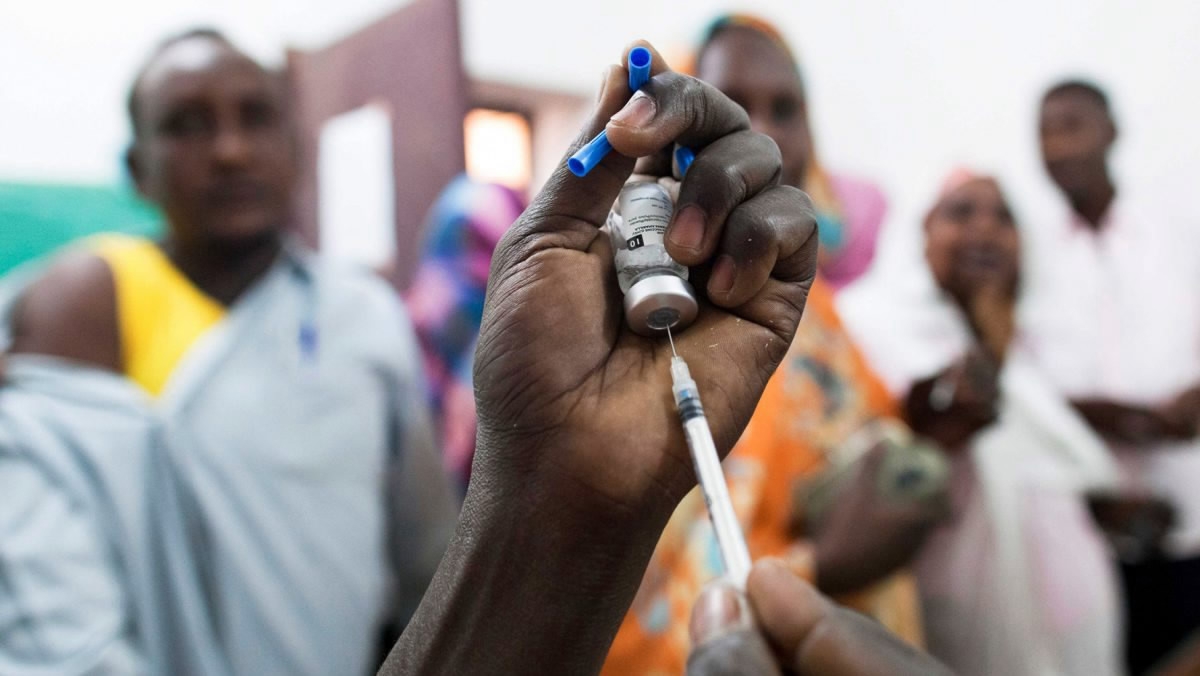
The United Nations says it will vaccinate more than one billion people in Africa to eliminate yellow fever by 2026. The ambitious drive comes with logistical challenges including maintaining a robust supply chain.
The announcement was made on Tuesday during the launch of the Eliminate Yellow Fever Epidemics (EYE) in Africa strategy in Nigeria’s capital Abuja.
“With one injection we can protect a person for life against this dangerous pathogen,” said Tedros Adhanom Ghebreyesus, the director-general of the UN World Health Organization (WHO).
Yellow fever is caused by a virus that is spread through mosquito bites.
WHO, Unicef, the Global Alliance for Vaccines and Immunization (Gavi) and 50 partners will initiate the vaccination drive in 27 high-risk African countries. In recent years, these countries have witnessed repeated outbreaks of yellow fever in densely populated cities. Angola and the Democratic Republic of Congo reported 400 deaths in 2016.
"This comprehensive, global strategy offers an unprecedented opportunity to end the devastating yellow fever epidemics that periodically impact Africa," said Dr Seth Berkley, the CEO of Gavi. "Ensuring that the most vulnerable communities have access to the vaccine through routine systems plays a central role in making this happen.”
The vaccination strategy is based on fulfilling three objectives of protecting at-risk populations through preventive mass vaccination campaigns, routine immunization programs, preventing international spread, and containing outbreaks rapidly. The focus is also on developing robust surveillance with robust laboratory networks.
Experts maintained that there is no cure for yellow fever, but an effective vaccine has been available since 1930. The challenge of the campaign hinges on the global availability of the vaccines, stocks of which remain low.
Berkley added that vaccine manufacturers and Gavi partners had worked hard to improve the global vaccine supply situation in recent years. “We will make sure there is enough vaccine to respond to outbreaks, allow preventive campaigns and that routine immunization functions at full capacity,” he said.
Yellow fever affects people living or traveling to tropical regions of Africa and South America. Studies suggest most outbreaks in humans are often due to a spillover from transmission between monkeys.
Brazil is currently battling its worst outbreak of the disease in decades with more than 1,000 confirmed cases. In recent years, the WHO says, migration and climate change have further increased the ambit of the fever.
“The ease and speed of population movements, rapid urbanization and a resurgence of mosquitoes due to global warming have significantly increased the risk of urban outbreaks with the international spread,” WHO said.