
19:44, 28-Jun-2018
China and WTO 'White Paper': China's free trade agreements in Asia
Updated
18:52, 01-Jul-2018
 []
[]
Share







Copied
01:46
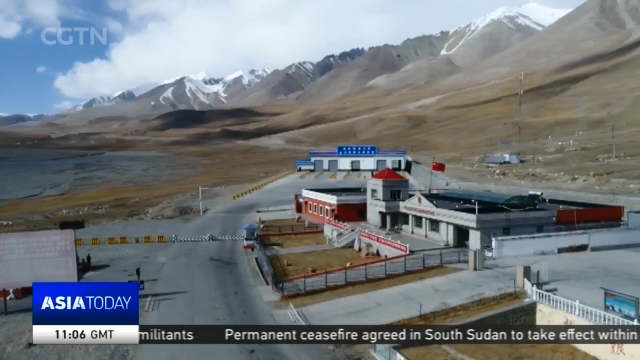
China is deeply integrated into the global economy. And it has been continuously removing trade barriers as a member of the multilateral trading system. Quan Chenchen takes a look at China's free trade agreements with its neighbors in Asia.
China is actively seeking to improve its trade relations. By May this year, it had signed 16 free trade agreements with 24 countries and regions. A wave of regional trade negotiations has welled up in Asia.
The China-ASEAN FTA came into effect on January 2010. The trade volume between the two sides hit a record high of over five hundred billion US dollars in 2017. By 2020, this figure is forecast to reach a trillion US dollars.
The China-Pakistan FTA was concluded in 2006, and took effect in July 2007. Bilateral trade volumes reached 20 billion US dollars by 2017. The countries also signed over 50 agreements and Memorandums of Understanding on cooperation in different fields last year.
Other agreements are also in the pipelines right now.
China-Japan-Korea FTA negotiations were launched in 2012. Thirteen rounds of talks on trade in goods, services and investment have taken place so far.
What's more, China is also involved in a mega trade deal in East Asia. The RCEP, or Regional Comprehensive Economic Partnership is a negotiation that seeks to create a single free trade agreement between the ten ASEAN member states and their six FTA partners.
Considering that the participants account for almost half of the world's population, the RCEP could deliver significant opportunities for businesses in East Asia.